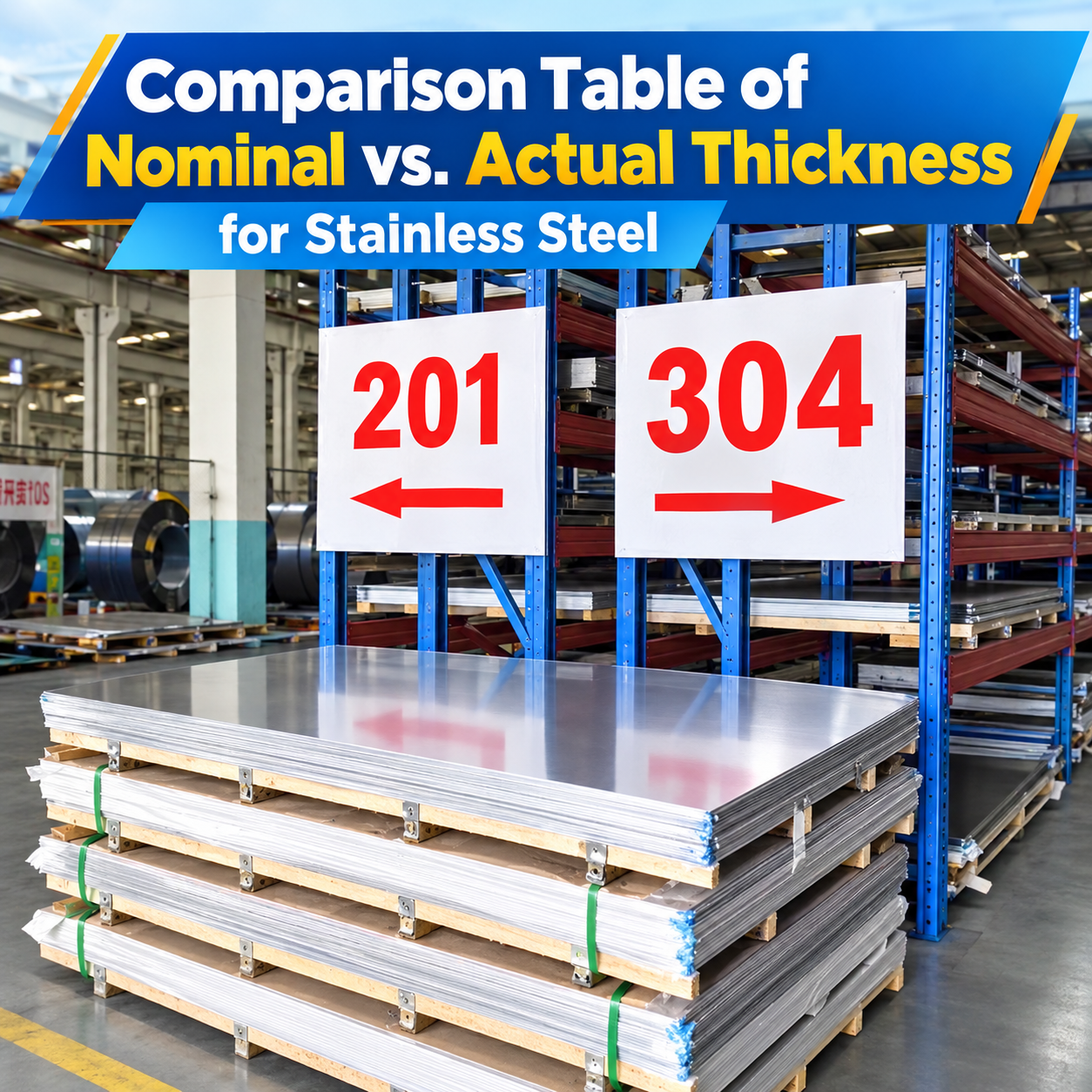
Comparison Table of Nominal vs. Actual Thickness for Stainless Steel
一. Difference between nominal thickness and actual thickness of stainless steel
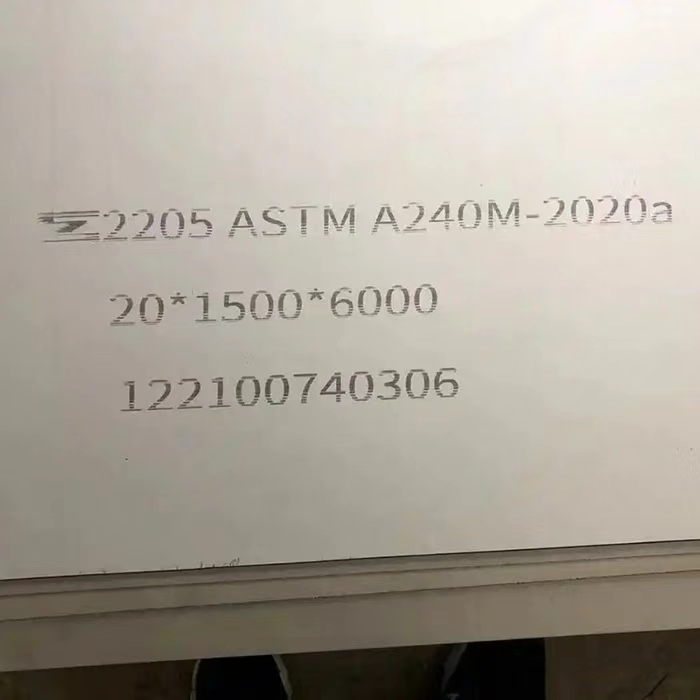
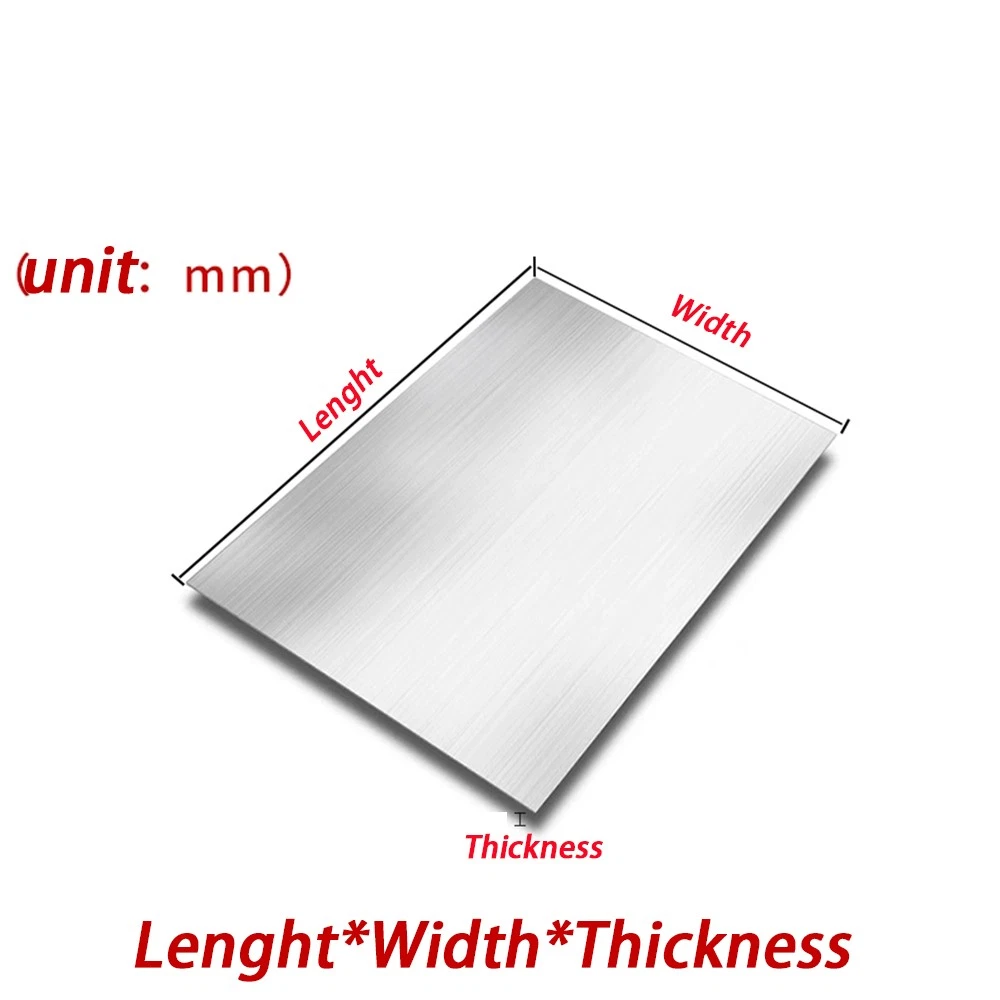
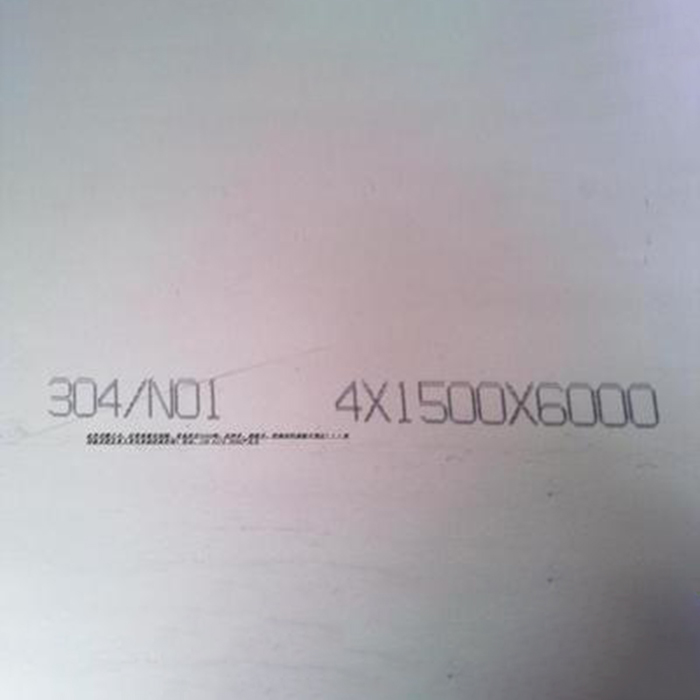
Nominal thickness refers to the specified thickness value (also known as nominal thickness; common values include 1mm, 2mm, 3mm, 4mm, etc.).
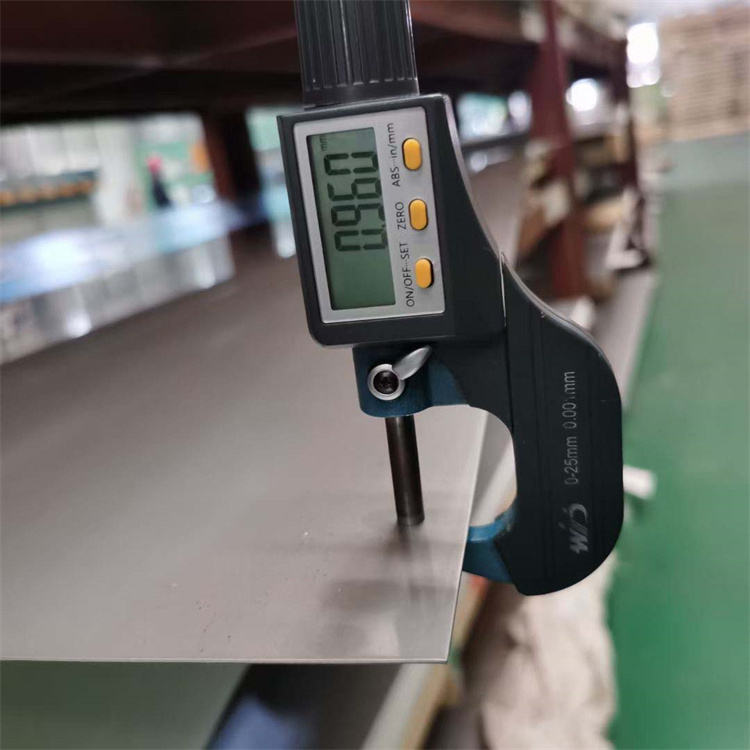
Actual thickness refers to the thickness measured in reality (this value is generally precise to two decimal places, such as 0.85mm, 1.91mm, 2.75mm, 3.80mm, etc.).
二. What is the difference between the nominal thickness and actual thickness of stainless steel plates?
The difference between the nominal thickness and the actual thickness of stainless steel depends on the manufacturing standards used for the material.
For standard thicknesses of stainless steel plates, one can refer to Chinese standards such as GB/T 713.7-2023 (for pressure-bearing applications), GB/T 4237-2015 (for hot-rolled plates), and GB/T 3280-2015 (for cold-rolled plates), as well as the American standard ASTM A240/A240M-15a (for cold-rolled plates). The first three are Chinese standards governing thickness tolerances for stainless steel plates.
What are the negative tolerances (allowable deviations below nominal thickness) under the national standards? Please refer to the comparison table below showing nominal versus actual thicknesses for stainless steel plates.
(1) Tables 1 & 2: For stainless steel plates with a width of 1.2 meters, the comparison between nominal and actual thickness is as follows:
| (1) Comparison Table of Specified Thickness and Actual Thickness of Stainless Steel Sheets |
|||||||
| Nominal thickness | Actual thickness (for a steel plate width of 1.2 meters) Unit: mm (millimeters) |
||||||
| General situation | Complies with national pressure-bearing standards GB/T 713.7-2023 |
Compliant with the national standard hot-rolled standard GB/T4237-2015 | Compliant with the national standard cold rolling standard GB/T3280-2015 | Compliant with the American standard ASTM A240/A240M-15a | |||
| Cold rolling (sheet opening) | Hot rolling (open rolling) | Cold rolling (sheet opening) | Hot rolling (open rolling) | ||||
| 0.5 | 0.3-0.6 | ±0.04 (That is, 0.46 – 0.54) |
* | * | ±0.05 (That is, 0.45 – 0.55) |
±0.05 (That is,0.45-0.55) |
* |
| 0.8 | 0.6-0.8 | ±0.05 (That is, 0.75 – 0.85) |
* | * | ±0.09 (That is, 0.71 – 0.89) |
±0.05 (That is,0.75-0.85) |
* |
| 1 | 0.8-1 | ±0.06 (That is, 0.94 – 1.06) |
* | * | ±0.1 (That is, 0.9 – 1.1) |
±0.06 (That is,0.94-1.06) |
* |
| 1.2 | 1-1.2 | ±0.07 (That is, 1.13 – 1.27) |
* | * | ±0.1 (That is,1.1- 1.3) |
±0.08 (That is,1.12-1.28) |
* |
| 1.5 | 1.2-1.5 | ±0.08 (That is, 1.42 – 1.58) |
* | * | ±0.12 (That is, 1.38 – 1.62) |
±0.08 (That is,1.42-1.58) |
* |
| 2 | 1.6-2 | ±0.09 (That is, 1.91 – 2.09) |
* | * | ±0.17 (That is, 1.83 – 2.17) |
±0.1 (That is,1.9-2.1) |
* |
| 2.5 | 2.2-2.5 | ±0.10 (That is, 2.4 – 2.6) |
* | * | ±0.22 (That is, 2.28 – 2.72) |
±0.11 (That is,2.39-2.61) |
* |
| 3 | 2.6-3 | ±0.12 (That is, 2.88 – 3.12) |
±0.25 (That is, 2.75 – 3.25) |
±0.25 (That is, 2.75 – 3.25) |
±0.22 (That is, 2.78 – 3.22) |
±0.13 (That is,2.87-3.13) |
±0.27 (That is,2.73-3.27) |
| (2)Stainless Steel Plate: Nominal Thickness vs. Actual Thickness | |||||||
| Actual thickness (when plate width is 1.2 m) | Unit: mm | |||||||
| Nominal Thickness |
General Reference |
GB/T 713.7-2023 Cold Rolled |
GB/T 713.7-2023 Hot Rolled |
GB/T 4237-2015 | GB/T 3280-2015 | ASTM A240/A240M-15a Cold Rolled |
ASTM A240/A240M-15a Hot Rolled |
| 4 | 3.5–4 | – | ±0.28 (3.72–4.28) |
±0.28 (3.72–4.28) |
±0.35 (3.65–4.35) |
±0.17 (3.83–4.17) |
±0.33 (3.67–4.33) |
| 5 | 4.5–5 | – | -0.30 to +0.31 (4.70–5.31) |
±0.31 (4.69–5.31) |
±0.40 (4.60–5.40) |
±0.17 (4.83–5.17) |
-0.25 to +0.50 (4.75–5.50) |
| 6 | 5.5–6 | – | -0.30 to +0.33 (5.70–6.33) |
±0.33 (5.67–6.33) |
±0.40 (5.60–6.40) |
±0.20 (5.80–6.20) |
-0.25 to +0.50 (5.75–6.50) |
| 8 | 7.5–8 | – | -0.30 to +0.38 (7.70–8.38) |
±0.38 (7.62–8.38) |
±0.50 (7.50–8.50) |
±0.22 (7.78–8.22) |
-0.25 to +0.75 (7.75–8.75) |
| 10 | 9.5–10 | – | -0.30 to +0.42 (7.70–8.38) |
±0.42 (9.58–10.42) |
– | – | -0.25 to +0.75 (9.75–10.75) |
| 12 | 11.5–12 | – | -0.30 to +0.45 (7.70–8.38) |
±0.45 (11.55–12.45) |
– | – | -0.25 to +0.75 (11.75–12.75) |
| 14 | 13.5–14 | – | -0.30 to +0.45 (7.70–8.38) |
±0.45 (13.55–14.45) |
– | – | -0.25 to +0.75 (13.75–14.75) |
| 16 | 15.5–16 | – | -0.30 to +0.45 (7.70–8.38) |
±0.45 (15.55–16.45) |
– | – | -0.25 to +0.75 (15.75–16.75) |
Comparison Table of Nominal vs. Actual Thickness for Stainless Steel
(2) Tables 3 and 4: For steel plates with a width of 1.5 meters, the comparison table between nominal thickness and actual thickness for stainless steel plates is as follows:
| Stainless Steel Plate Thickness vs. Actual Thickness | |||||||
| Actual thickness (when plate width is 1.5 m) | Unit: mm | |||||||
| Nominal Thickness |
General Reference |
GB/T 713.7-2023 Cold Rolled |
GB/T 713.7-2023 Hot Rolled |
GB/T 4237-2015 | GB/T 3280-2015 | ASTM A240/A240M-15a Cold Rolled |
ASTM A240/A240M-15a Hot Rolled |
| 0.5 | 0.3–0.6 | ±0.05 (0.45–0.55) |
– | – | ±0.08 (0.42–0.58) |
– | – |
| 0.8 | 0.6–0.8 | ±0.06 (0.74–0.86) |
– | – | ±0.10 (0.70–0.90) |
– | – |
| 1 | 0.8–1 | ±0.07 (0.93–1.07) |
– | – | ±0.12 (0.88–1.12) |
±0.07 (0.93–1.07) |
– |
| 1.2 | 1–1.2 | ±0.08 (1.12–1.28) |
– | – | ±0.12 (1.08–1.32) |
±0.08 (1.12–1.28) |
– |
| 1.5 | 1.2–1.5 | ±0.09 (1.41–1.59) |
– | – | ±0.15 (1.35–1.65) |
±0.10 (1.40–1.60) |
– |
| 2 | 1.6–2 | ±0.10 (1.90–2.10) |
– | – | ±0.20 (1.80–2.20) |
±0.11 (1.89–2.11) |
– |
| 2.5 | 2.2–2.5 | ±0.11 (2.39–2.61) |
– | – | ±0.25 (2.25–2.75) |
±0.13 (2.37–2.63) |
– |
| 3 | 2.6–3 | ±0.12 (2.88–3.12) |
±0.28 (2.72–3.28) |
±0.28 (2.72–3.28) |
±0.25 (2.75–3.25) |
±0.15 (2.85–3.15) |
±0.27 (2.73–3.27) |
Comparison Table of Nominal vs. Actual Thickness for Stainless Steel
| Stainless Steel Plate Thickness vs. Actual Thickness | |||||||
| Actual thickness (when plate width is 1.5 m) | Unit: mm | |||||||
| Nominal Thickness |
General Reference |
GB/T 713.7-2023 Cold Rolled |
GB/T 713.7-2023 Hot Rolled |
GB/T 4237-2015 | GB/T 3280-2015 | ASTM A240/A240M-15a Cold Rolled |
ASTM A240/A240M-15a Hot Rolled |
| 4 | 3.5–4 | ±0.28 (3.86–4.14) |
-0.30 to +0.31 (3.70–4.31) |
±0.31 (3.69–4.31) |
±0.40 (3.60–4.40) |
±0.17 (3.83–4.17) |
±0.33 (3.67–4.33) |
| 5 | 4.5–5 | ±0.15 (4.85–5.15) |
-0.30 to +0.33 (4.70–5.33) |
±0.33 (4.67–5.33) |
±0.45 (4.55–5.45) |
±0.19 (4.81–5.19) |
-0.25 to +0.50 (4.75–5.50) |
| 6 | 5.5–6 | ±0.16 (5.84–6.16) |
-0.30 to +0.36 (5.70–6.36) |
±0.36 (5.64–6.36) |
±0.40 (5.60–6.40) |
±0.23 (5.77–6.23) |
-0.25 to +0.50 (5.75–6.50) |
| 8 | 7.5–8 | ±0.17 (7.83–8.17) |
-0.30 to +0.39 (7.70–8.39) |
±0.39 (7.61–8.39) |
±0.50 (7.50–8.50) |
±0.25 (7.75–8.25) |
-0.25 to +0.75 (7.75–8.75) |
| 10 | 9.5–10 | – | -0.30 to +0.43 (9.70–10.43) |
±0.43 (9.57–10.43) |
– | – | -0.25 to +0.75 (9.75–10.75) |
| 12 | 11.5–12 | – | -0.30 to +0.47 (11.70–12.47) |
±0.47 (11.53–12.47) |
– | – | -0.25 to +0.75 (11.75–12.75) |
| 14 | 13.5–14 | – | -0.30 to +0.47 (13.70–14.47) |
±0.47 (13.53–14.47) |
– | – | -0.25 to +0.75 (13.75–14.75) |
| 16 | 15.5–16 | – | – | ±0.47 (15.53–16.47) |
– | – | -0.25 to +0.75 (15.75–16.75) |
Comparison Table of Nominal vs. Actual Thickness for Stainless Steel
For other widths, information regarding the relationship between nominal and actual thickness for stainless steel plates—as well as general thickness specifications—can be found by searching the JBL official website (Jblstainless.com) for terms such as “tolerance thickness” and “national standards.”
The actual thickness standards for 304 stainless steel are as shown in the image above; the correct actual thickness can be determined based on the specific plate width and applicable standards.

Comparison Table of Nominal vs. Actual Thickness for Stainless Steel
三. Practical Implications of Nominal vs. Actual Thickness in Stainless Steel
The actual thickness of stainless steel is generally less than its nominal thickness.
Nominal thickness is also referred to as theoretical thickness; for instance, stainless steel plates with an actual thickness of 2.75 mm or 2.8 mm are typically classified as having a nominal thickness of 3 mm (often referred to in the industry as “3-mm plate”).
When purchasing stainless steel plates, JBL Stainless Steel advises you to consider the distinction between actual and nominal thickness, noting two different scenarios:
(1) If the total price of the stainless steel material is calculated based on actual weight, the price per unit of weight is primarily influenced by market conditions and material quality.
(2) If the total price is calculated based on theoretical weight (weight derived from nominal thickness; see: steel plate weight calculation formula), the price per unit of weight is influenced by a combination of three factors: the difference between nominal and actual thickness, market conditions, and material quality.
Comparison Table of Nominal vs. Actual Thickness for Stainless Steel