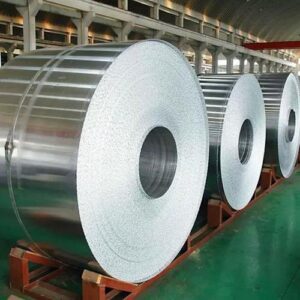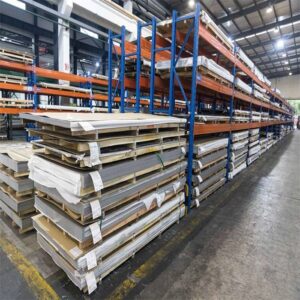
ステンレス鋼板
201、301、202、304、304L、2520、316L、303、310S、314、321、309S、347、 310SI2、2205、2507、253MA、254SMO、904L、1.4529、0Cr13、1Cr13、2Cr13、3Cr13、4Cr13、444、439、436、441、416、431、430、420、410、409、630、631、
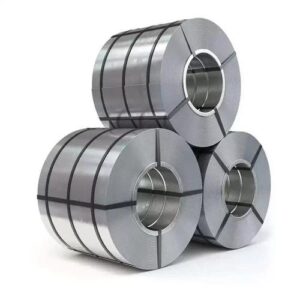
ステンレス鋼コイル(他国のブランドの鋼材の販売)
201シリーズ:中国 1Cr17Mn6Ni5N (06Cr17Mn6Ni5N) ≈ 日本 SUS201 ≈ 米国 201 (UNS S20100) ≈ ドイツ X12CrMnNiN17-7-5 (1.4372)
304シリーズ: 中国 06Cr19Ni10 ≈ 日本 SUS304 ≈ 米国 304 (UNS S30400) ≈ 英国 304S15 ≈ ドイツ X5CrNi18-10 (1.4301) ≈ フランス Z6CN18.09
304Lシリーズ:中国 022Cr19Ni10 ≈ 日本 SUS304L ≈ 米国 304L (UNS S30403) ≈ ドイツ X2CrNi18-9 (1.4307)
316シリーズ:中国 06Cr17Ni12Mo2 ≈ 日本 SUS316 ≈ 米国 316 (UNS S31600) ≈ ドイツ X5CrNiMo17-12-2 (1.4401)
316Lシリーズ: 中国 022Cr17Ni12Mo2 ≈ 日本 SUS316L ≈ 米国 316L (UNS S31603) ≈ ドイツ X2CrNiMo17-12-2 (1.4404)
430シリーズ(フェライト系):中国 10Cr17 ≈ 日本 SUS430 ≈ 米国 430 (UNS S43000) ≈ ドイツ X6Cr17 (1.4016)
結果の1~9/44を表示しています
| 中国 GB/T | 米国 ASTM/AISI | 日本 JIS | ヨーロッパ EN | ドイツ DIN | 一般的な種類 |
|---|---|---|---|---|---|
| 201 | AISI 201 | SUS201 | 1.4372 | X12CrMnNiN17-7-5 | オーステナイト |
| 202 | AISI 202 | SUS202 | 1.4373 | X12CrMnNiN18-9-5 | オーステナイト |
| 304 | AISI 304 | SUS304 | 1.4301 | X5CrNi18-10 | オーステナイト |
| 304L | AISI 304L | SUS304L | 1.4307 | X2CrNi18-9 | オーステナイト |
| 316 | AISI 316 | SUS316 | 1.4401 | X5CrNiMo17-12-2 | オーステナイト |
| 316L | AISI 316L | SUS316L | 1.4404 | X2CrNiMo17-12-2 | オーステナイト |
| 321 | AISI 321 | SUS321 | 1.4541 | X6CrNiTi18-10 | オーステナイト |
| 309S | AISI 309S | SUS309S | 1.4833 | X12CrNi23-13 | 耐熱オーステナイト |
| 310S | AISI 310S | SUS310S | 1.4845 | X8CrNi25-21 | 耐熱オーステナイト |
| 347 | AISI 347 | SUS347 | 1.4550 | X6CrNiNb18-10 | オーステナイト |
| 409 | AISI 409 | SUS409 | 1.4512 | X2CrTi12 | フェロライト |
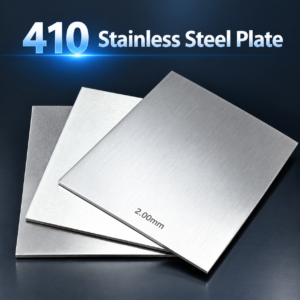
| 410 | AISI 410 | SUS410 | 1.4006 | X12Cr13 | マルテンサイト |
| 420 | AISI 420 | SUS420J1/J2 | 1.4021 / 1.4028 | X20Cr13 / X30Cr13 | マルテンサイト |
| 430 | AISI 430 | SUS430 | 1.4016 | X6Cr17 | フェライト |
| 439 | AISI 439 | SUS439 | 1.4510 | X3CrTi17 | フェライト |
| 444 | AISI 444 | SUS444 | 1.4521 | X2CrMoTi18-2 | フェライト |
| 2205 | UNS S31803/S32205 | SUS329J3L | 1.4462 | X2CrNiMoN22-5-3 | 二相鋼 |
| 2507 | UNS S32750 | — | 1.4410 | X2CrNiMoN25-7-4 | スーパーデュプレックス鋼 |

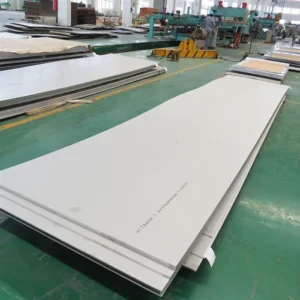
ステンレス鋼板

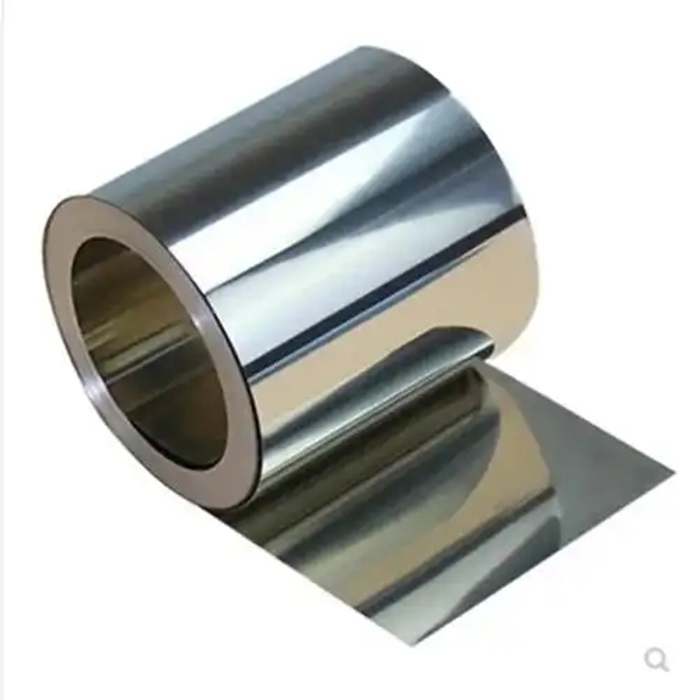
ステンレス鋼コイル

ステンレス鋼管/チューブ
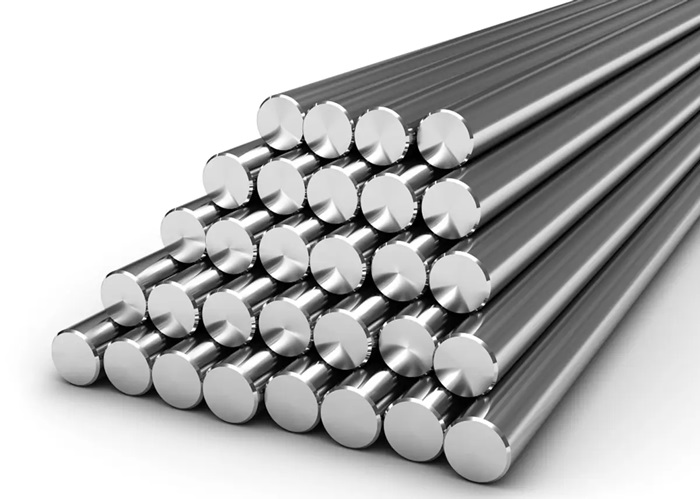
ステンレス鋼棒
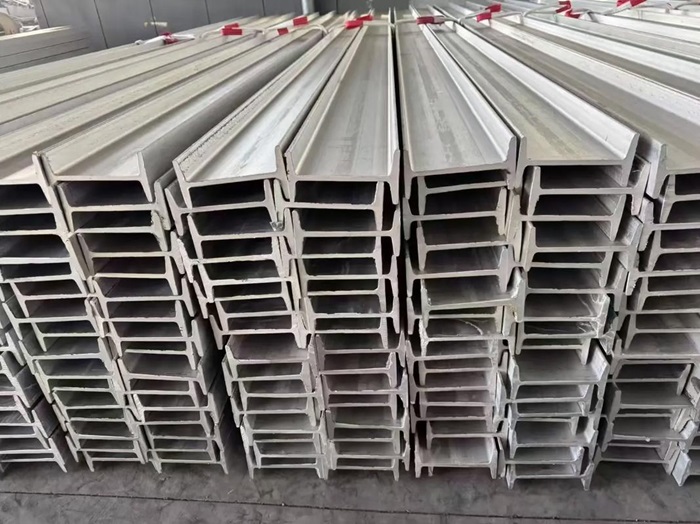
ステンレス鋼プロファイル
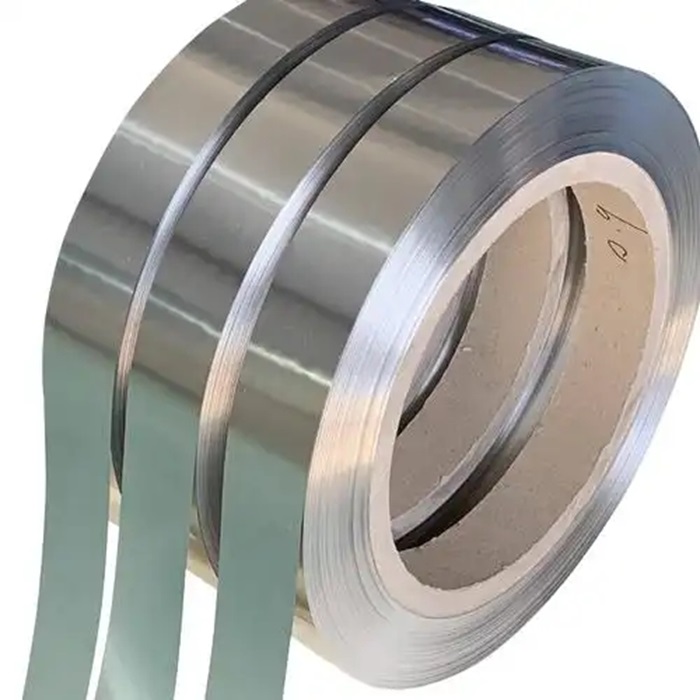
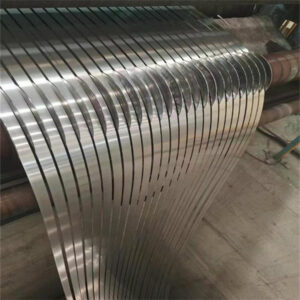
ステンレス鋼帯
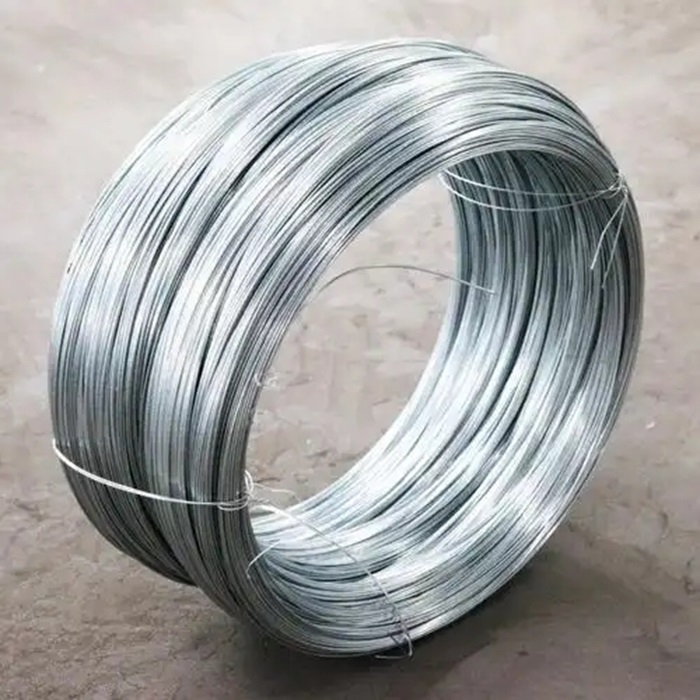
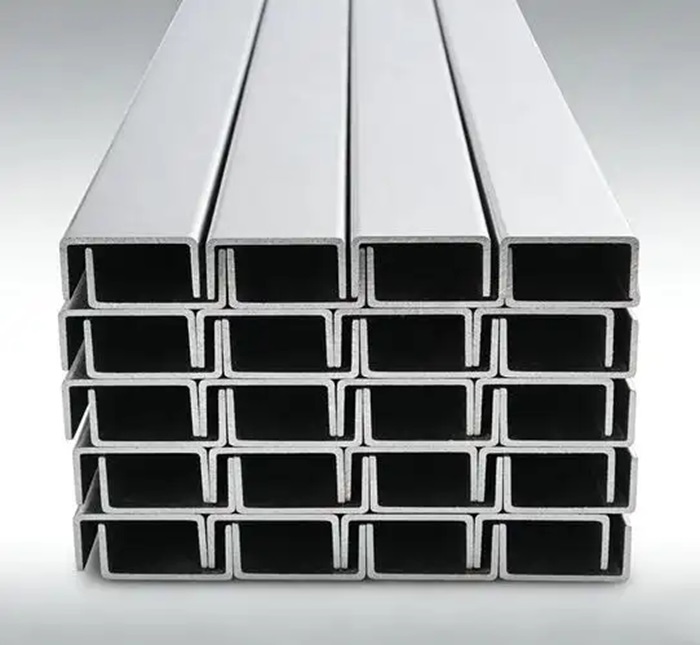
チャンネルバー
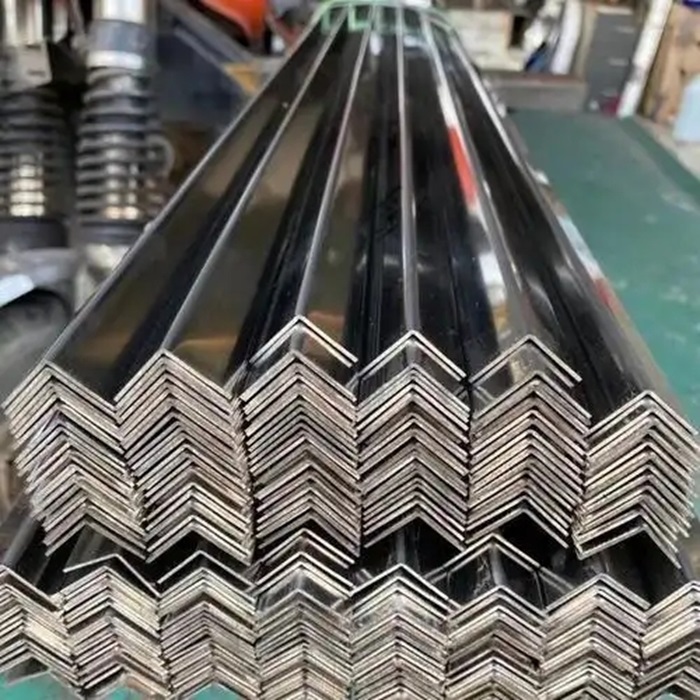
アングルバー
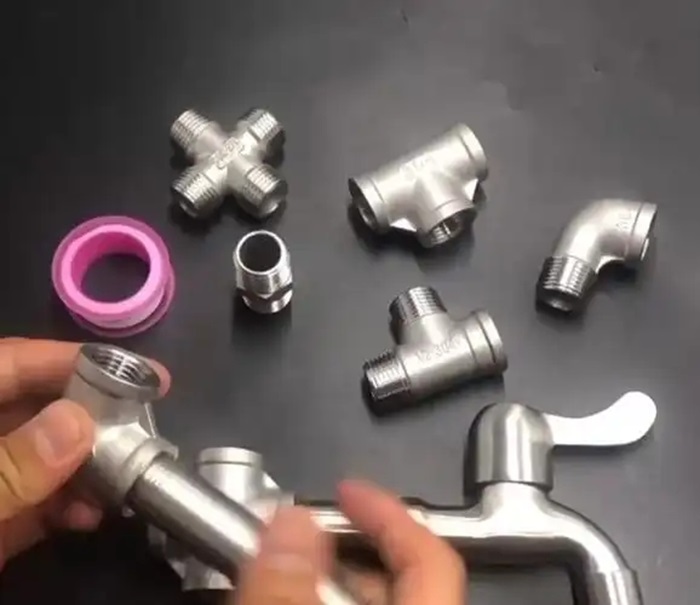
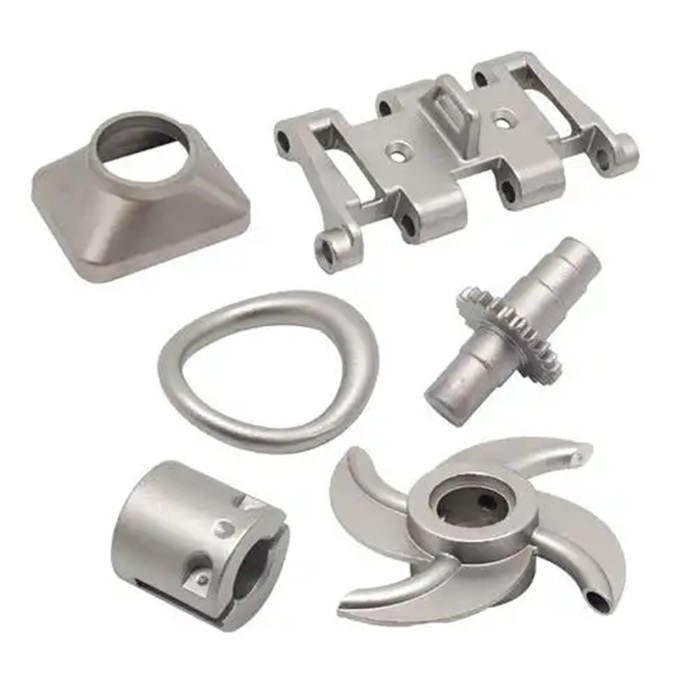
ステンレス鋼加工部品/特注部品
| 分類 | コード/名称 | 表面の質感 | 代表的な用途 |
|---|---|---|---|
| 圧延された主表面 | No.1 (1D) | 熱間圧延・酸洗仕上げ、粗面・マット仕上げ、灰白色 | 産業用構造部材、圧力容器の内部 |
| 2D | 冷間圧延後酸洗い仕上げ、マットなシルバーグレー、No.1よりも滑らか | 深絞り加工された部品およびパイプ | |
| 2B | 冷間圧延+軽圧延、標準的なマットなシルバーホワイト、最も汎用性が高い | 食品機器、化学工業、板金基材 | |
| BA | 光輝焼鈍処理済み、高反射性のセミミラー面、汚れなし | 家電製品、医療機器、装飾品用の内張り | |
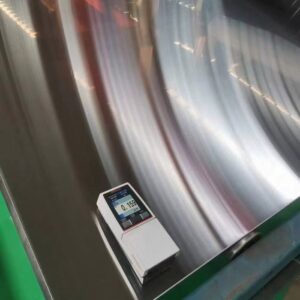
| Machined surface | No.3 / No.4 | Short thread texture polishing (No.4 is the most commonly used), intermittent hair thread texture | Kitchen and bathroom equipment, elevator decoration, building panels |
| HL (Hairline) | Long continuous straight-drawn silk texture, with a fine texture | Elevator door panels, curtain walls, high-end decorations | |
| 8K (mirror surface) | Extremely high luster, no texture, like mirror reflection | High-end decoration, sculpture and reflective devices | |
| Random patterns (and patterns) | Uniform matte diffuse reflection, no directional texture | Enclosures of mechanical equipment and anti-slip components | |
| Random patterns (and patterns) | Irregular swirling textures and changing light | High-end artistic decorations and signboards | |
| Chemical/coating layer | acid passivation | Natural matte finish, remove oxide scale, enhance corrosion resistance | Welded parts repair and essential for chemical pipelines |
| electrochemical polishing | Micro-mirror surface, micro-smooth, with excellent corrosion resistance | Food and pharmaceutical clean pipelines, high-purity equipment | |
| PVD vacuum coating | Colorful (gold/black/rose gold, etc.), high hardness and weather resistance | Outdoor decoration, bathroom hardware, home appliance panels | |
| etch | The concave-convex patterns or designs formed by chemical corrosion | Signs, decorative panels, and hollowed-out designs | |
| Anti-fingerprint (AF) | Transparent nano-coating, hydrophobic and oleophobic (often applied to brushed/mirror surfaces) | Elevators, home appliance panels, high-frequency touch areas |
What are the differences between 304 and 316L?
The main difference between 304 and 316L stainless steel lies in their chemical composition. 316L contains molybdenum and has a lower carbon content, making it more corrosion-resistant and thus more suitable for high-corrosion environments such as marine and chemical industries.
What are the differences between 304L and 304?
304 has a carbon content of ≤ 0.08%, while 304L has a carbon content of ≤ 0.03%.
Can 201 replace 304?
201 Stainless steel cannot replace 304 in food contact, humid corrosion or high-reliability scenarios.
Which is more corrosion-resistant, 316 or 316L?
316L
What kind of environment is 321 stainless steel plate suitable for?
321 stainless steel is specially designed for use in environments with temperatures ranging from 400 to 900 degrees Celsius, where it needs to resist intergranular corrosion and oxidative media.
Why is the 310S suitable for high-temperature environments?
The 310S stainless steel strip contains a high proportion of chromium (approximately 24-26%) and nickel (approximately 19-22%). At high temperatures, it can form a dense Cr2O3 oxide film, effectively preventing further oxidation.
What are the characteristics of 2205 duplex stainless steel plate?
The 2205 yield strength is more than twice that of ordinary austenitic stainless steel, and it also possesses sufficient plasticity for forming.
In which harsh corrosive environments is 904L suitable?
Sulfuric acid solution environment / Organic acids and phosphoric acid medium / High chloride ion environment / Mixed corrosion conditions
What are the differences between 304 and 316L?
The molybdenum content of 316L is 2.0 – 3.0%, while 304 basically does not contain molybdenum.
What are the differences between stainless steel 2B, BA, and NO.1?
Stainless steel 2B, BA, and NO.1 correspond to three standard states: industrial base surface, bright annealed surface, and hot-rolled acid-etched surface.
What are the differences between cold rolling and hot rolling of stainless steel plates?
The causes of residual stress in hot-rolled steel sections and cold-rolled steel sections are different, and therefore the distribution on the cross-sections also varies significantly.
What are the specifications of the stainless steel coils?
Standard range: Thickness 0.025 – 15mm (cold rolling can reach 0.02mm, hot rolling can reach up to 15mm+),
Width: 3.5 – 2000mm (mainstream 1000/1219/1500mm), supports non-standard customization.
How is the weight of Sheets Stainless Steel calculated?
The commonly used simplified formula is: Weight (kg) = Length (m) × Width (m) × Thickness (mm) × Density (g/cm³) ÷ 1000.
How is the weight of stainless steel coils calculated?
The specific formula is: Weight (kg) = Volume (m³) × Density (kg/m³).【The 304/321/201 series is 7.93 g/cm³, the 316/316L series is 7.98, and the 400 series is 7.70 – 7.75.】
Will the Stainless Steel Floor Plate rust?
はい
Can 304 replace 316L?
いいえ
Can Stainless Steel Plates and Sheets Product be laser-cut?
はい
Can the stainless steel coils be cut into strips?
はい
Can stainless steel plates be bent?
はい
Can SS Plates be welded?
はい
Can the width of the stainless steel coil be customized?
はい
What kind of material certificates can the No. 1 Stainless Steel Plate provide?
Original factory quality certificate (MTC/quality guarantee certificate), third-party test report, MSDS transportation certification or metallographic/corrosion specific test report.
What are the common defects of Stainless Steel Plates and Strips?
The core defects include scratches, roll marks, pinholes, oxidation color, edge waves, delamination, pores and cracks, etc.
How to determine the quality of Stainless Plate?
The surface is smooth and the color is uniform. It has excellent flatness, the length and width meet the requirements, the thickness deviation is strictly controlled, and the diagonal deviation is in line with the requirements.
How to choose stainless steel plate products and stainless steel coils?
The sheet selection is suitable for continuous stamping / cutting strips / custom length and large quantities. The plate selection is suitable for direct cutting use, thick specifications (usually > 3mm) or scenarios requiring tolerance sensitivity.
What factors affect the price of BEST Stainless Steel Plates ?
Raw material cost drive / Market supply and demand and seasonality / Steel mill policies and futures market conditions / Process differences
Which one has a higher price, 304 or 316L?
316L
Which has a higher price, hot-rolled coils or cold-rolled coils?
Cold-rolled coil
How is the price of stainless steel coils calculated?
Core calculation formula:
Total price of the entire roll = Market benchmark ton price (yuan/ton) × Actual weighed weight (tons) + Premium adjustment + Additional processing fee
Ton price converted to square meter price = Ton price ÷ [1000 ÷ (Thickness mm × Density g/cm³)] = Ton price × Thickness × Density ÷ 1000
Interconversion between sheet and plate: Plate unit price = Plate unit price × (Actual thickness/Theoretical thickness) + Opening and leveling fee; vice versa.
What is the minimum order quantity for JBLステンレス steel plates?
Starting from 1 ton
How long is the delivery cycle for the stainless steel?
In-stock items: 1–3 days; standard custom orders: 7–15 days; complex or large-volume custom orders: 15–30 days.
Which countries can Stainless Steel Plate/Sheet be exported to?
In 2026, the main active export markets will be Vietnam, Thailand, Malaysia, Indonesia, Russia, Pakistan and some Middle Eastern countries. However, there are significant trade barriers in the United States, Japan, South Korea, Turkey, Brazil, Mexico and some member states of the European Union
How can we ensure the consistent quality of Wholesale Stainless Sheets from different batches?
The production process, raw material selection and quality control system of the stainless steel plate manufacturer.
Can stainless steel coils be directly processed into SS Sheet?
はい
How can deformation be prevented after processing of stainless steel coils?
Material pre-treatment – Process parameter optimization – Equipment and tooling guarantee – Post-treatment stability