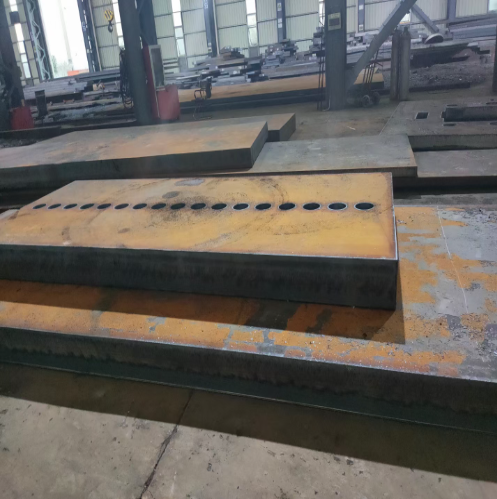
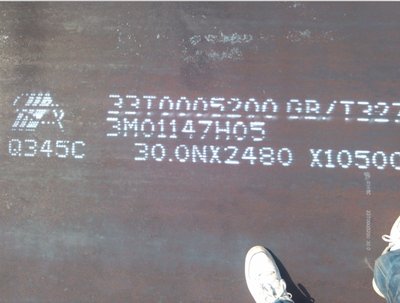
Q345C Carbon Steel Plate
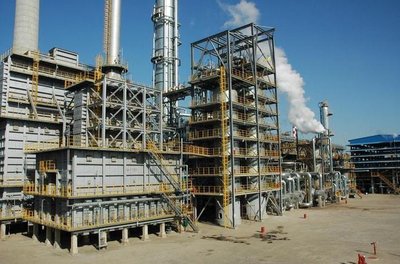
Q345C steel plate is used for carburized parts or components that do not require high core strength,
such as:
Q345C Carbon Steel Plate is a type of low-alloy, high-strength structural steel with a yield strength of 345 MPa; the “C” denotes the quality grade, representing a relatively high level. It complies with the GB/T 1591-94 standard, with the latest version being GB/T 1591-2008.
Q345A, Q345B, Q345C, Q345D, and Q345E represent different grades, primarily distinguished by their impact test temperatures: Grade Q345A undergoes no impact testing; Q345B is tested at 20°C (ambient temperature); Q345C at 0°C; Q345D at -20°C; and Q345E at -40°C. The impact test values vary according to the temperature. Among steel plates, this material belongs to the low-alloy series and is the most common type within that category.
Série | C | Sim | Mn | P | S | Nb | V | Ti | Cr | Ni | Cu | N | Seg | Als |
|---|---|---|---|---|---|---|---|---|---|---|---|---|---|---|
Q345A | ≤0.20 | ≤0.50 | ≤1.70 | ≤0.035 | ≤0.035 | ≤0.07 | ≤0,15 | ≤0.20 | ≤0.30 | ≤0.50 | ≤0.30 | ≤0.012 | ≤0.10 | — |
Q345B | ≤0.20 | ≤0.50 | ≤1.70 | ≤0.035 | ≤0.035 | ≤0.07 | ≤0,15 | ≤0.20 | ≤0.30 | ≤0.50 | ≤0.30 | ≤0.012 | ≤0.10 | — |
Q345C | ≤0.20 | ≤0.50 | ≤1.70 | ≤0,030 | ≤0,030 | ≤0.07 | ≤0,15 | ≤0.20 | ≤0.30 | ≤0.50 | ≤0.30 | ≤0.012 | ≤0.10 | — |
Q345D | ≤0.18 | ≤0.50 | ≤1.70 | ≤0,030 | ≤0.025 | ≤0.07 | ≤0,15 | ≤0.20 | ≤0.30 | ≤0.50 | ≤0.30 | ≤0.012 | ≤0.10 | ≥0.015 |
Q345E | ≤0.18 | ≤0.50 | ≤1.70 | ≤0.025 | ≤0,020 | ≤0.07 | ≤0,15 | ≤0.20 | ≤0.30 | ≤0.50 | ≤0.30 | ≤0.012 | ≤0.10 | ≥0.015 |
Note: Chemical composition values are mass percentages. “—” means no minimum value is specified in the source table.
Item | Description |
|---|---|
Standard | GB/T 1591—2008 |
Steel Type | Low-Alloy High-Strength Structural Steel |
Delivery Conditions | Hot Rolled, Controlled Rolled, Normalized, Normalizing Rolled, Quenched e Tempered, Thermomechanically Controlled Processed (TMCP), or As-Rolled, as applicable |
Thickness (mm) | Minimum Yield Strength (MPa) |
|---|---|
≤16 | ≥345 |
>16–40 | ≥335 |
>40–63 | ≥325 |
>63–80 | ≥315 |
>80–100 | ≥305 |
>100–150 | ≥285 |
>150–200 | ≥275 |
>200–250 | ≥265 |
>250–400 | ≥265 (Q345D/Q345E) |
Thickness (mm) | Tensile Strength (MPa) |
|---|---|
≤40 | 470–630 |
>40–63 | 470–630 |
>63–80 | 470–630 |
>80–100 | 470–630 |
>100–150 | 450–600 |
>150–250 | 450–600 |
>250–400 | 450–600 (Q345D/Q345E) |
Thickness (mm) | Q345A / Q345B (%) | Q345C / Q345D / Q345E (%) |
|---|---|---|
≤40 | ≥20 | ≥21 |
>40–63 | ≥19 | ≥20 |
>63–100 | ≥18 | ≥19 |
>100–150 | ≥18 | ≥19 |
>150–250 | ≥17 | ≥18 |
>250–400 | — | ≥17 (Q345D/Q345E) |
The primary differences regarding Q345C steel plate lie in its carbon and manganese content:
Q235-A
Carbon (C): 0.14–0.22; Manganese (Mn): 0.30–0.65;
Q235-B
Carbon (C): 0.12–0.20; Manganese (Mn): 0.30–0.70;
There are likely temperature limitations as well!
Especially for Q345E, which is rated for temperatures tens of degrees below zero.
Additionally, compared to the old standard, the most notable change in the new standard is the adjustment to the manganese (Mn) content: the range has shifted from the original 1.0–1.60 to ≤1.70, effectively removing the minimum limit of ≥1.0.
| Specification | length(cm) | wide(cm) | high(cm) | volume(cm³) | weight(g) |
|---|---|---|---|---|---|
| 3.5*1500*C | 12 | 2.50 | 6.50 | 195 | 4315 |
| 7.75*1500*C | 12 | 2.50 | 11 | 330 | 4315 |
| 4.75*1500*C | 12 | 2.50 | 11 | 330 | 4315 |
| 7.75*1800*C | 12 | 2.50 | 11 | 330 | 4315 |
| 5.75*1500*C | 6 | 2.50 | 11 | 165 | 4315 |
| 11.75*1500*C | 6 | 2.50 | 11 | 165 | 4315 |
| 5.75*1800*C | 6 | 2.50 | 11 | 165 | 4315 |
| 11.75*1800*C | 6 | 2.50 | 11 | 165 | 4315 |
Procurement Guide and FAQs
How do I choose the right Q345C Carbon Steel Plate supplier?
**Clarify project material requirements:**
Distinguish the application—whether for steel structure engineering, machinery manufacturing, or pressure vessels—based on the usage scenario. For projects involving dynamic loads or low-temperature environments, select grades with superior low-temperature impact toughness (such as Q345D or Q345E). Determine the plate thickness, width, length, and procurement volume based on design drawings.
**Verify the supplier’s overall capabilities:**
Choose a supplier with stable direct supply channels from steel mills, proprietary warehousing and processing facilities, and valid material test reports. Avoid intermediaries who lack physical inventory and merely resell goods. If possible, conduct an on-site inspection to check material markings, surface quality, and warehouse management conditions.
**FAQs**
**Are the downstream processing costs for Q345C Carbon Steel Plate high?**
Q345C Carbon Steel Plate of standard thickness offer excellent weldability and do not require special preheating. Processing techniques such as cutting, bending, and drilling are mature and efficient, keeping overall costs competitive compared to alloy structural steel or quenched-and-tempered steel of the same thickness. While processing fees may rise slightly for extra-thick plates or those requiring flaw detection due to additional testing procedures, the overall cost remains manageable.
**Is there a difference in quality between Q345 Steel Plates produced by different mills?**
Major mainstream steel mills (such as Baosteel, Wusteel, Xinyu Steel, and Anyang Steel) employ standardized production processes and robust quality inspection systems. Their products generally outperform those from smaller mills in terms of chemical composition stability, mechanical property consistency, and plate shape precision. For critical structural components or projects requiring flaw detection, it is recommended to source materials from mainstream mills to ensure reliability.
**How can the authenticity of Q345C High Strength Low Alloy Steel material be verified?**
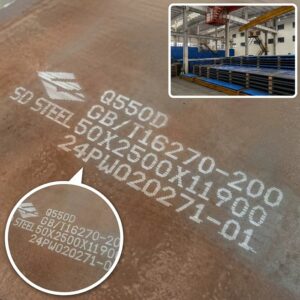
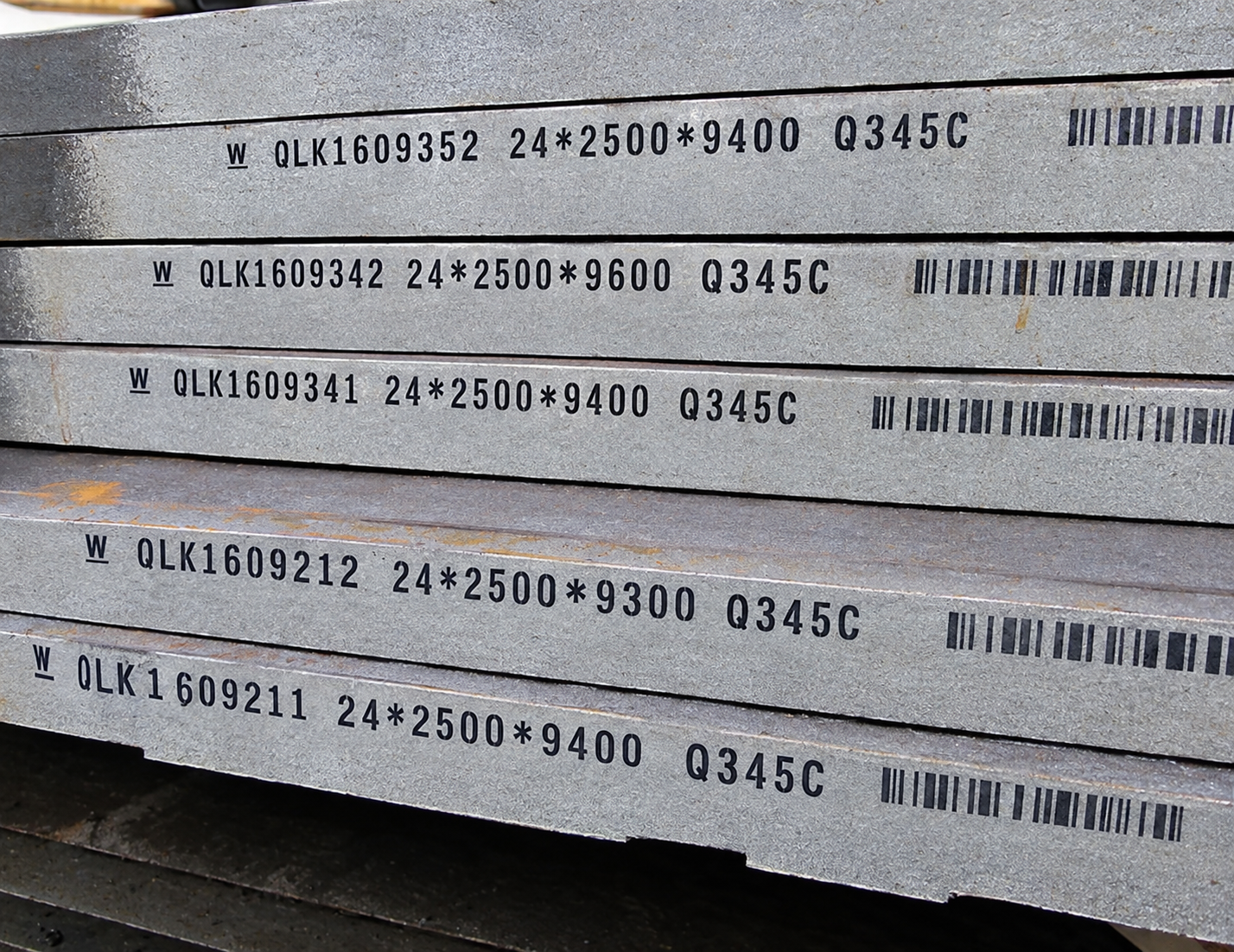
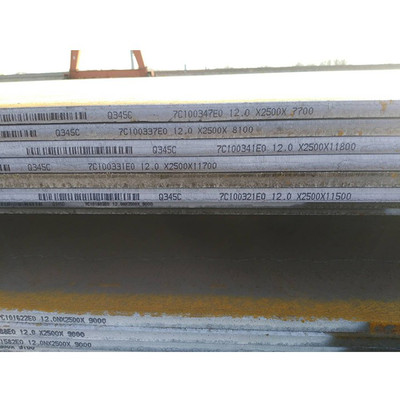
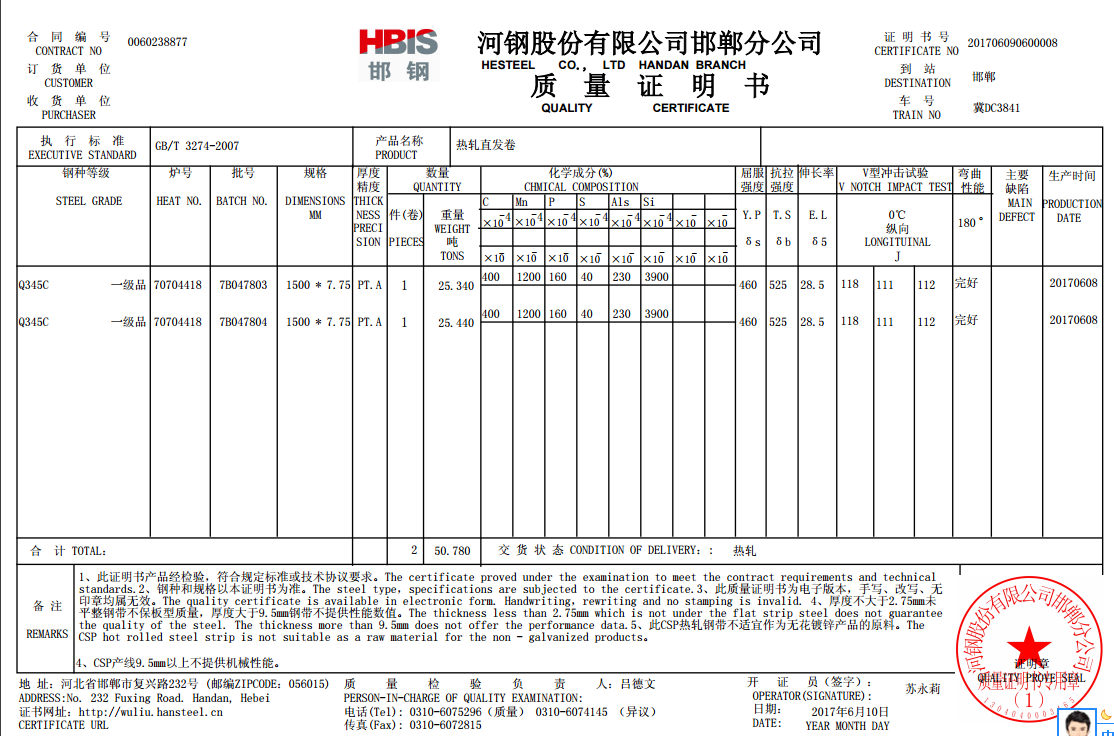
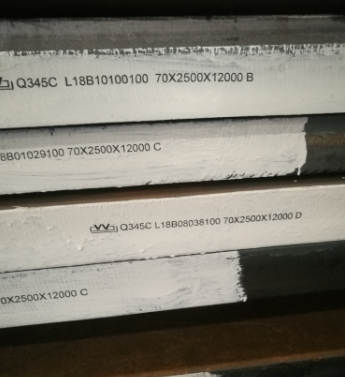
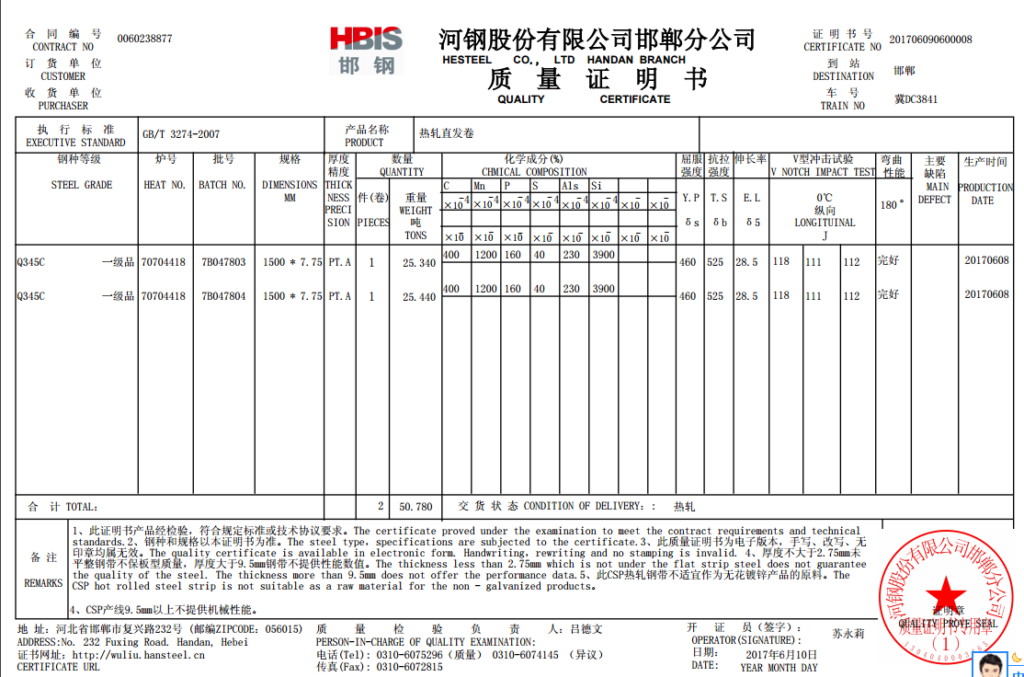
Steel plates purchased through legitimate channels come with an original mill test certificate specifying complete data, such as the heat/batch number, material grade, chemical composition, and mechanical properties. On-site, a preliminary assessment can be made by examining surface markings (stamped or inkjet-printed), measuring actual thickness and dimensional tolerances, and cross-referencing the information with the mill test certificate. For major projects, a third-party testing agency should be commissioned to re-verify the material to ensure it genuinely meets the required standards.
【Q345qC steel plate, Q345R(R-HIC) steel plate, general-purpose Q345C steel plate.】

Q345qC steel plate
Q345R(R-HIC) steel plate

Q345C steel plate
O controle total sobre os produtos nos permite garantir que nossos clientes recebam preços e serviços da melhor qualidade. Entre em contato conosco para obter um orçamento gratuito; a JBLSTEEL oferecerá a solução ideal para o seu projeto.