

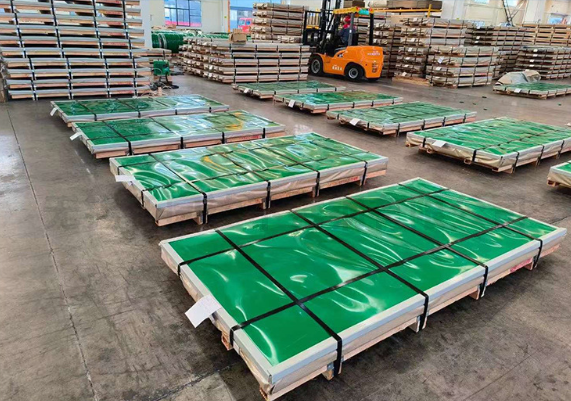
Stainless Steel Plate Sheet Type 317L
Corresponding to grades from different countries
USA AISI / ASTM: 317L
USA UNS: S31703
Europe EN: 1.4438
Europe EN Material Designation: X2CrNiMo18-15-4
Japan JIS: SUS 317L
China GB: 022Cr19Ni13Mo3
UK BS: 317S12
Sweden SS: 2367
France AFNOR: Z3 CND 19.15.04
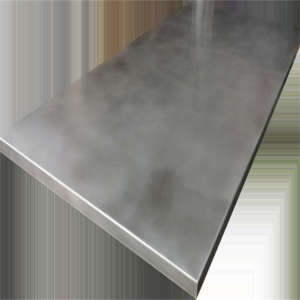
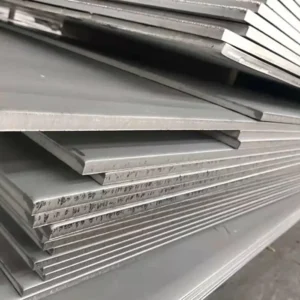
Stainless Steel Plate Sheet Type 317L–Alloy 317L (00Cr19Ni13Mo3, UNS S31726) is a molybdenum-based austenitic stainless steel. Compared to conventional chromium-nickel austenitic stainless steels—such as Alloy 304—it offers superior resistance to chemical corrosion. Furthermore, Alloy 317L exhibits greater ductility, enhanced resistance to stress corrosion cracking, higher compressive strength, and better performance at elevated temperatures. As a low-carbon (or “L”) grade, it is resistant to sensitization during welding and heat treatment processes.
0.5mm | 0.6mm | 0.8mm | 1.0mm | 1.2mm | 1.5mm |
|---|---|---|---|---|---|
2.0mm | 2.5mm | 3.0mm | 4.0mm | 5.0mm | 6.0mm |
8.0mm | 10mm | 12mm | 14mm | 16mm | 18mm |
20mm | 22mm | 25mm | 30mm | 35mm | 40mm |
45mm | 50mm | 55mm | 60mm | 70mm | 80mm |
90mm | 100mm | Other thicknesses available upon request |
317L stainless steel is a grade of American origin that belongs to the austenitic stainless steel family. The “3” denotes an austenitic stainless steel, “17” indicates a chromium content of approximately 17%, and “L” stands for “low carbon,” signifying a carbon content of less than 0.03%.
The typical chemical composition of Stainless Steel Plate Sheet Type 317L is as follows:
– Carbon (C): ≤0.03%
– Silicon (Si): ≤1.0%
– Manganese (Mn): ≤2.0%
– Phosphorus (P): ≤0.045%
– Sulfur (S): ≤0.030%
– Chromium (Cr): 18.0%–20.0%
– Nickel (Ni): 11.0%–15.0%
– Molybdenum (Mo): 2.0%–3.0%
Mechanical properties of Stainless Steel Plate Sheet Type 317L:
YS (MPa) ≥ 176,
TS (MPa) ≥ 480,
EL (%) ≥ 40,
Hv ≤ 200
Performance Characteristics of Type 317L Stainless Steel Plate/Sheet

(1) Corrosion Resistance: Type 317L stainless steel contains higher levels of chromium, nickel, and molybdenum, providing excellent corrosion resistance—particularly in environments containing strong acids such as sulfuric acid or phosphoric acid.
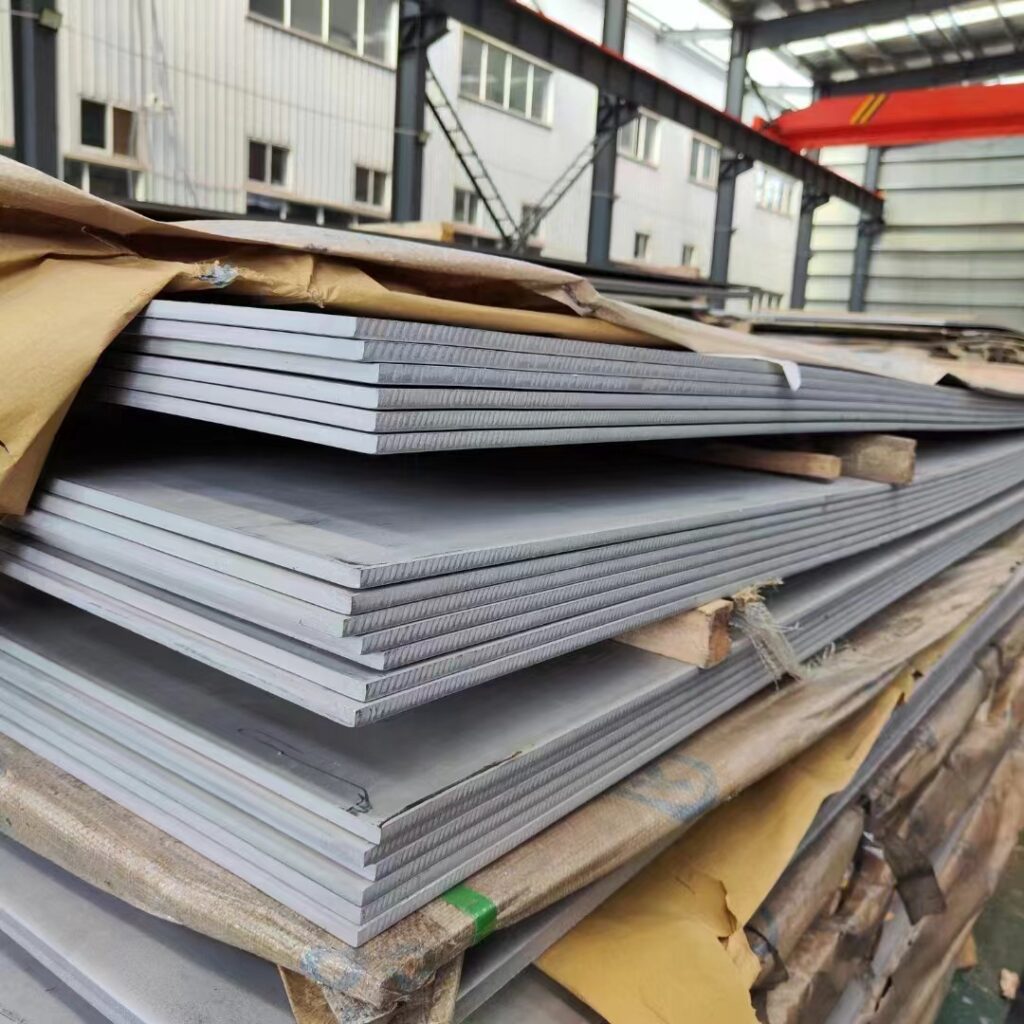
(2) Weldability: Its low-carbon design ensures good weldability and minimizes the risk of intergranular corrosion following the welding process.

(3) High-Temperature Resistance: Type 317L stainless steel exhibits good high-temperature resistance and is suitable for long-term use at temperatures up to 800°C.

(4) Strength: While the inherent strength of Type 317L stainless steel is relatively low, it can be increased through cold working.
317L stainless steel plate holds significant application value across various sectors:
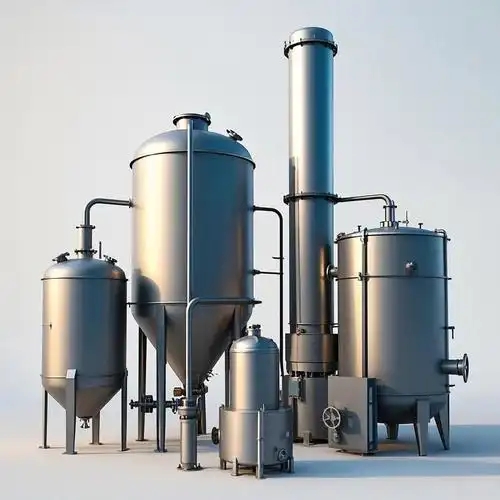
– *Chemical Industry*: Used for equipment such as reaction vessels, storage tanks, and piping.

– *Environmental Protection Engineering*: Utilized in wastewater treatment and exhaust gas treatment systems.

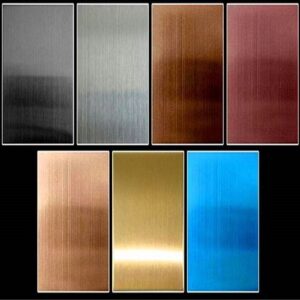
– *Architectural Decoration*: Employed for curtain walls and interior decorative elements in humid environments.

Lorem ipsum dolor sit amet, consectetur adipiscing elit. Ut elit tellus, luctus nec ullamcorper mattis, pulvinar dapibus leo.
Grade | Specifications, Chemical Composition, Mechanical Properties & Applications |
|---|---|
253MA | Standard: 1.4835 / S30815 / F45 Service Temperature: 850–1100°C Applications: High-temperature equipment, steelmaking, heat-treatment furnaces, kilns, and mineral-processing equipment. Chemical Composition (%): C: 0.05–0.10; Si: 1.4–2.0; Mn: ≤0.8; P: ≤0.045; S: ≤0.03; Cr: 20–22; Ni: 10–12; N: 0.14–0.20; Ce. Mechanical Properties: Yield strength ≥270 MPa; tensile strength ≥520 MPa; elongation ≥35%. |
XW-10 | Standard: XW-10 Service Temperature: 1000–1100°C Applications: Petrochemical, chemical, fertilizer, and high-temperature industrial equipment. Chemical Composition (%): C: ≤0.06; Si: ≤1.0; Mn: 4–6; P: ≤0.045; S: ≤0.03; Cr: 20.5–23.5; Ni: 11–13.5; Mo: 1.5–3; N: 0.2–0.4; V: 0.1–0.3; Cb: 0.1–0.3. Mechanical Properties: Yield strength ≥310 MPa; tensile strength ≥690 MPa; elongation ≥35%. |
904L | Standard: 1.4539 / N08904 / S31782 Service Temperature: 196–400°C (as shown in source) Applications: Chemical and petrochemical equipment, pipelines, valves, and corrosion-resistant fasteners. Chemical Composition (%): C: ≤0.02; Si: ≤1.0; Mn: ≤2.0; P: ≤0.045; S: ≤0.03; Cr: 19–23; Ni: 23–28; Mo: 4–5; Cu: 1–2. Mechanical Properties: Yield strength ≥216 MPa; tensile strength ≥490 MPa; elongation ≥35%. |
316LN | Standard: 316LN Service Temperature: As stated in the original reference Applications: Chemical processing, power generation, wastewater treatment, shipbuilding, and marine engineering. Chemical Composition (%): C: ≤0.08; Si: ≤1.0; Mn: ≤2.0; P: ≤0.045; S: ≤0.03; Cr: 16–18; Ni: 10–14; Mo: 2–3; N: 0.1–0.2. Mechanical Properties: Yield strength ≥205 MPa; tensile strength ≥515 MPa; elongation ≥30%. |
254SMO | Standard: 1.4547 / S31254 / 00Cr20Ni18Mo6CuN Service Temperature: 196–400°C (as shown in source) Applications: Seawater systems, chloride-containing environments, chemical processing, and corrosion-resistant equipment. Chemical Composition (%): C: ≤0.02; Si: ≤0.8; Mn: ≤1.0; P: ≤0.03; S: ≤0.01; Cr: 19.5–20.5; Ni: 17.5–18.5; Mo: 6–7; Cu: 0.5–1.0; N: 0.18–0.25. Mechanical Properties: Yield strength ≥310 MPa; tensile strength 675–850 MPa; elongation ≥35%. |
310S | Standard: S31008 / 1.4845 / 1Cr25Ni20Si2 Service Temperature: Up to 1150°C (as shown in source) Applications: Furnace components, automotive exhaust systems, high-temperature bolts, nuts, and heat-resistant equipment. Chemical Composition (%): C: ≤0.08; Si: ≤1.5; Mn: ≤2.0; P: ≤0.045; S: ≤0.03; Cr: 24–26; Ni: 19–22. Mechanical Properties: Annealed: yield strength ≥205 MPa; tensile strength ≥515 MPa; elongation ≥30%. Cold-worked: yield strength 300–500 MPa; tensile strength 700–900 MPa; elongation value requires verification. |
1.4529 | Standard: N08926 / 25-6Mo / 1NiCrMoCuN25-20-7 Service Temperature: Up to 1038°C (as shown in source) Applications: Chemical plants, marine engineering, energy systems, heat exchangers, pipelines, and valves. Chemical Composition (%): C: ≤0.02; Si: ≤0.5; Mn: ≤1.0; P: ≤0.03; S: ≤0.01; Cr: 19–21; Ni: 24–26; Mo: 6–7; Cu: 0.5–1.5; N: 0.15–0.25. Mechanical Properties: Yield strength ≥300 MPa; tensile strength 650–850 MPa; elongation ≥40%. |
317L | Standard: S31703 / 1.4438 / 022Cr19Ni13Mo3 Service Temperature: 870°C (as shown in source) Applications: Chemical processing, welded assemblies, and corrosion-resistant equipment. Chemical Composition (%): C: ≤0.03; Si: ≤0.75; Mn: ≤2.0; P: ≤0.045; S: ≤0.03; Cr: 18–20; Ni: 11–15; Mo: 3–4; N: ≤0.1. Mechanical Properties: Yield strength ≥205 MPa; tensile strength ≥485 MPa; elongation ≥30%. |
309S | Standard: S30908 / 1.4833 / 06Cr23Ni13 Service Temperature: 980°C (as shown in source) Applications: Furnace equipment, heat-treatment equipment, heating components, and high-temperature industrial parts. Chemical Composition (%): C: ≤0.08; Si: ≤0.75; Mn: ≤2.0; P: ≤0.045; S: ≤0.03; Cr: 22–24; Ni: 12–15. Mechanical Properties: Yield strength ≥205 MPa; tensile strength ≥520 MPa; elongation ≥40%. |
321H | Standard: S32109 / 1.4878 / 07Cr19Ni11Ti Service Temperature: 700–800°C (as shown in source) Applications: Pressure vessels, heat-treatment equipment, aerospace, energy systems, and boiler tubing. Chemical Composition (%): C: 0.04–0.10; Si: ≤0.75; Mn: ≤2.0; P: ≤0.045; S: ≤0.03; Cr: 17–19; Ni: 9–12; Ti: 4(C+N)–0.70. Mechanical Properties: Yield strength ≥205 MPa; tensile strength ≥515 MPa; elongation ≥40%. |
304LN | Standard: S30453 / 1.4311 / 022Cr19Ni10N Service Temperature: 800–900°C (as shown in source) Applications: Chemical equipment, food-processing equipment, medical equipment, containers, and pipelines. Chemical Composition (%): C: ≤0.03; Si: ≤0.75; Mn: ≤2.0; P: ≤0.045; S: ≤0.03; Cr: 18–20; Ni: 8–12; N: 0.1–0.16. Mechanical Properties: Yield strength 230–870 MPa; tensile strength 580–1160 MPa; elongation 7.8–46%. |
N08367 | Standard: 1.4478 / X2NiCrMoN25-21-7 Service Temperature: −196 to 400°C (as shown in source) Applications: Pressure vessels, chemical reactors, heat exchangers, pipelines, and valves. Chemical Composition (%): C: ≤0.03; Si: ≤0.75; Mn: ≤2.0; P: ≤0.045; S: ≤0.03; Cr: 18–20; Ni: 23–27; Mo: 5–7; N: 0.1–0.16. Mechanical Properties: Yield strength ≥380 MPa; tensile strength ≥760 MPa; elongation ≥45%. |
Cikakken iko kan kayayyaki yana ba mu damar tabbatar da cewa abokan cinikinmu suna samun farashi, inganci da sabis mafi kyau. Tuntube mu don samun ƙididdiga kyauta, JBLSTEEL zai samar da mafita madaidaiciya ga aikin ku.