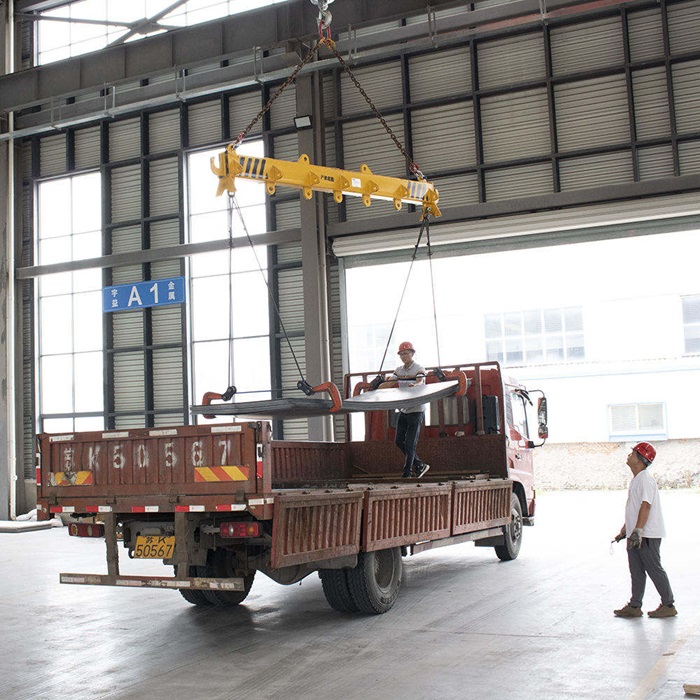
Q355 high strength low alloy structural steel Plate

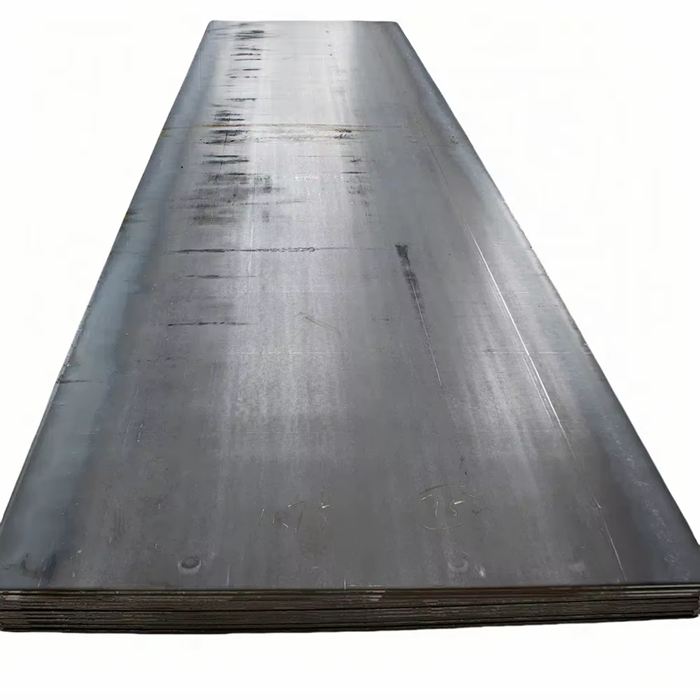
Q355 high strength low alloy structural steel Plate contains appropriate amounts of alloying elements such as manganese, niobium, and titanium. It exhibits excellent welding properties and low-temperature impact toughness. The content of these alloying elements is relatively low, and the main purpose is to enhance the strength and toughness of the steel.

Q355A
Q355B
Q355C
Q355D
Q355E
Q355F
Q355N
Q355M
Q355NH
Q355NHB
Q355ND
Q355D-Z15
Q355D-Z25
Q355D-Z35
Q355NE

Descrizione del prodotto

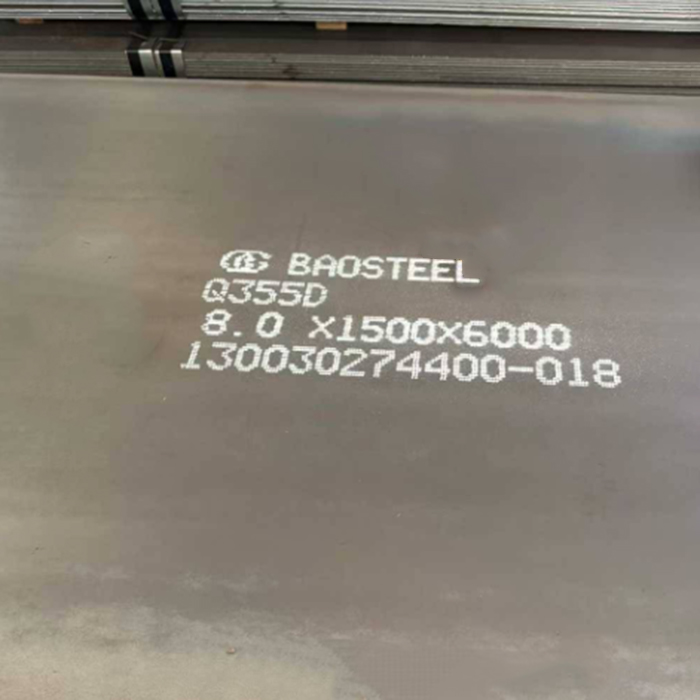
Q355 high-strength low-alloy structural steel plate holds a significant position in the steel industry due to its excellent performance characteristics and wide range of applications. Q355 comes in various grades, each suitable for different application scenarios. Here, “Q” stands for yield strength, “355” indicates the minimum yield strength value, while “A,” “B,” “C,” “D,” and “E” represent the quality grades of the steel plate. This steel plate is manufactured according to the GB/T 1591 standard and delivered in either hot-rolled or normalized condition, with a production thickness ranging from 8 mm to 500 mm.

Q355A

Q355A is not subject to impact testing

Q355D

-20℃

Q355 What are the differences between different models?

Common Model Comparison Table

Model exampleimpact temperatureP/S Upper limit (typical)Condition of Deliveryapplicable scene
Q355Ano requirementP≤0.045%, S≤0.045%hot rollingNormal temperature static load structure, non-critical components
Q355B20℃P≤0.040%, S≤0.040%Hot rolling/controlled rollingGeneral dynamic load structure at normal temperature
Q355C0℃P≤0.035%, S≤0.035%Hot rolling/normalizingGeneral low-temperature environments (such as buildings in the north)
Q355D-20℃P≤0.030%, S≤0.030%normalizing (N)/TMCP (M)Bridges, vehicles and pressure vessels in cold regions
Q355E-40℃P≤0.025%, S≤0.025%normalizing (N)/TMCP (M)Extremely cold regions, important welded structures, offshore platforms
Q355NB20℃same as Grade B‌Normalizing/Normalized rolling‌High-resilience scenarios where organizational uniformity needs to be guaranteed
Q355NE-Z35-40℃same as Grade ENormalizing + ‌Z direction 35%‌Key parts for thick plate welding and prevention of layered tearing

Yield strength: ≥ 335 – 355 MPa
Tensile strength: 450 – 630 MPa
Post-rupture elongation: ≥ 21%
Impact energy: ≥ 34 J
Density: 7.85 g/cm³

Regarding the selection of Q355 Steel Plate, what suggestions will JBL Company give you?

Thickness affects strength: The yield strength of the model decreases as the thickness of the sheet increases (for example, ≥ 355 MPa when ≤ 16mm, ≥ 345 MPa when > 16 – 40mm). The selection of materials requires checking the specific thickness groups.


Substitution principle: Higher grades can substitute lower grades (such as E for D), but the reverse is not allowed; the performance in the normalizing state (N) is better than that in the ordinary hot-rolled state. Key stressed components are recommended to specify the “N” suffix.


Special requirements: For large-thickness welded structures, attention should be paid to whether the “Z” direction indicators are included; in low-temperature environments, it is necessary to match the corresponding impact temperature grade, and the yield strength alone should not be considered.

Q355 Steel Variability Dimension

Quality grade and impact temperature: The suffix letters A-E represent different requirements for low-temperature impact toughness. Grade A has no impact requirement, while grades B/C/D/E correspond to impact tests at 20℃/0℃/-20℃/-40℃ respectively.


Chemical composition control: The higher the grade (A→E), the stricter the limit on phosphorus (P) and sulfur (S) content (for example, P is reduced from ≤0.045% to ≤0.025%). Grades C/D/E usually require the addition of grain refiner elements (Al ≥ 0.015%).


Prefix of delivery condition: Without a prefix or “AR” indicates hot-rolled; “N” represents annealed/annealed rolling (with a more uniform structure and better toughness); “M” indicates TMCP (thermal mechanical control process); “Q355B” is default hot-rolled, “Q355NB” requires annealed state.


Suffix of Z-direction performance: If “-Z15/25/35” is present, it indicates the grade of anti-layered tearing performance in the thickness direction, with the numbers representing the minimum value of the cross-sectional contraction rate %, which is superimposed independently of the quality grade.


What different types of profiles can be made from Q355?

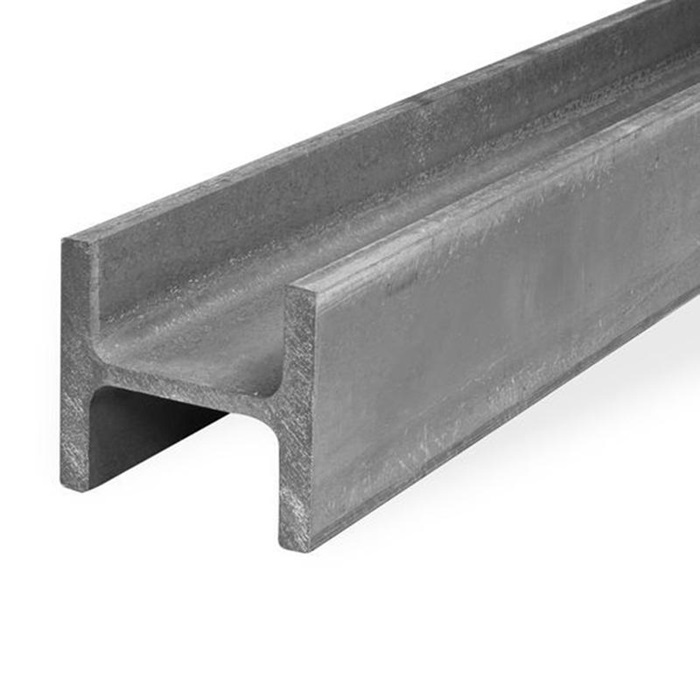
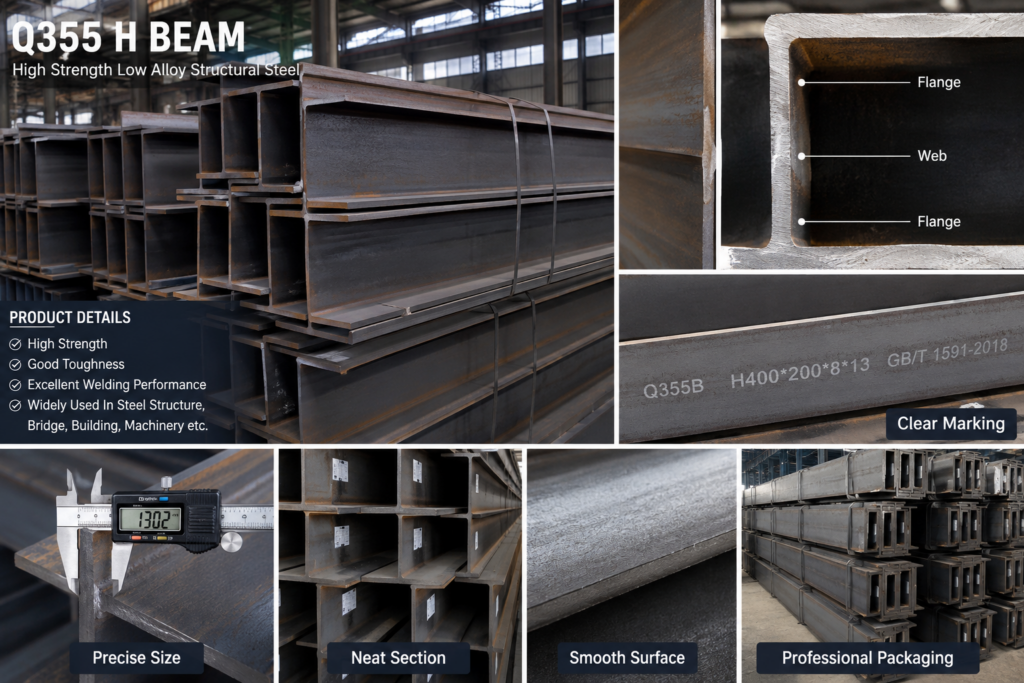
H-shaped steel:Q355 Low Alloy High Strength Structural Steel With wide/narrow flanges and specially designed for beams and columns, it possesses excellent bidirectional bending resistance and is suitable for large-span factories and high-rise columns.

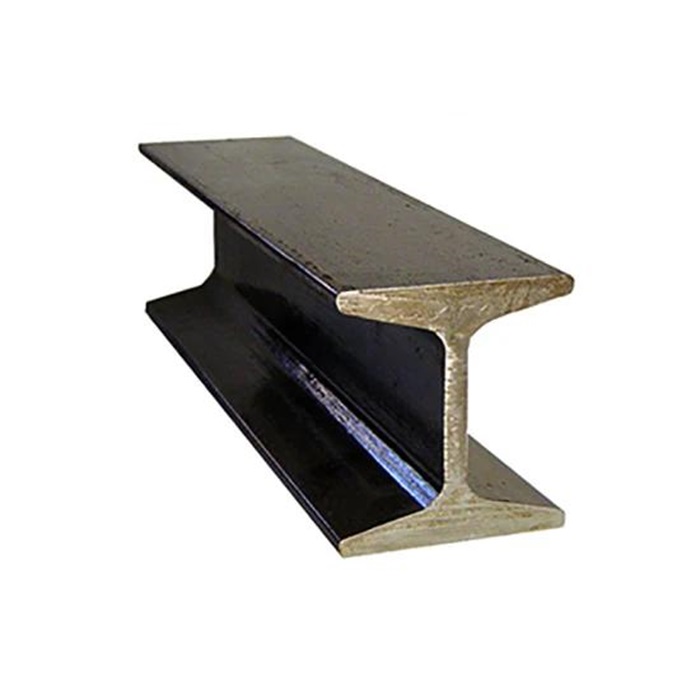
I Beam:The single-sided bending resistance performance is outstanding, and Q355 Steel it is commonly used in load-bearing structures such as beams and columns.

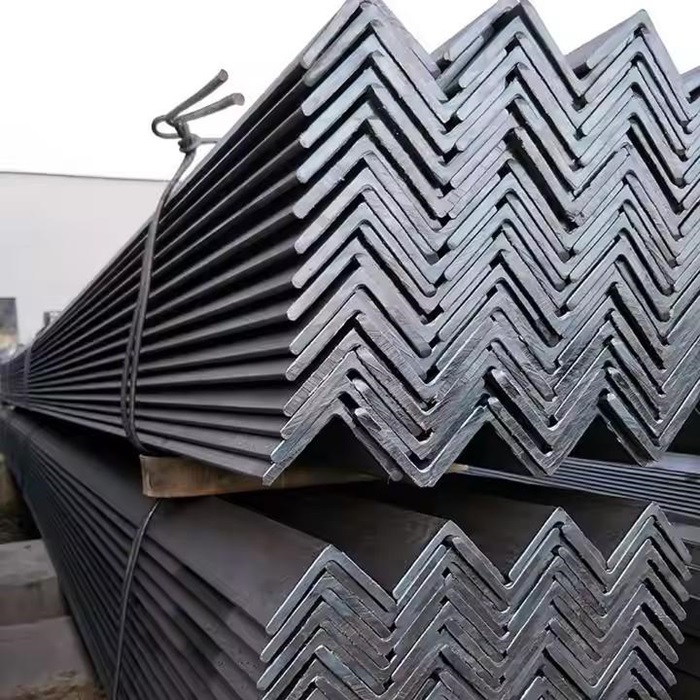
angle iron:Q355 Steel Plate comes in both equilateral and irregular specifications and is widely used in trusses, support frames and connection components.

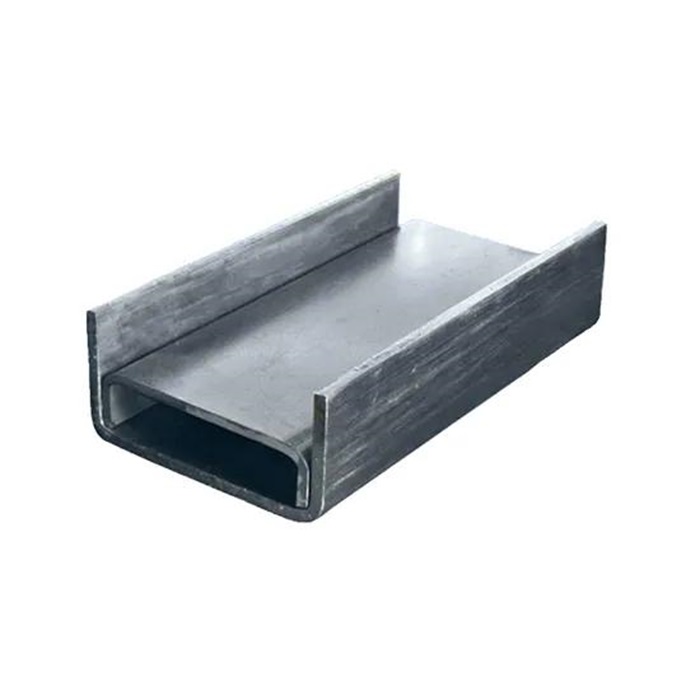
U-steel:Low temperature resistant steel Q355 steel It is divided into ordinary channel steel and cold-rolled inner-wrapped-edge channel steel, which are suitable for roof trusses, equipment supports and U-shaped structures. 

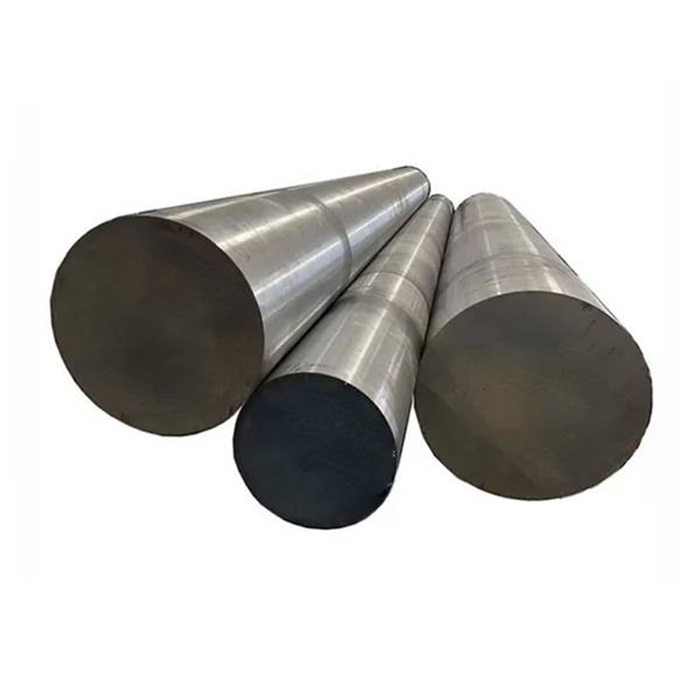
Round Bar:Black Iron Sheet Q355 Hot Rolled Mild Carbon Steel Plate Iron Sheets Often used for steel structure columns and pipe trusses 

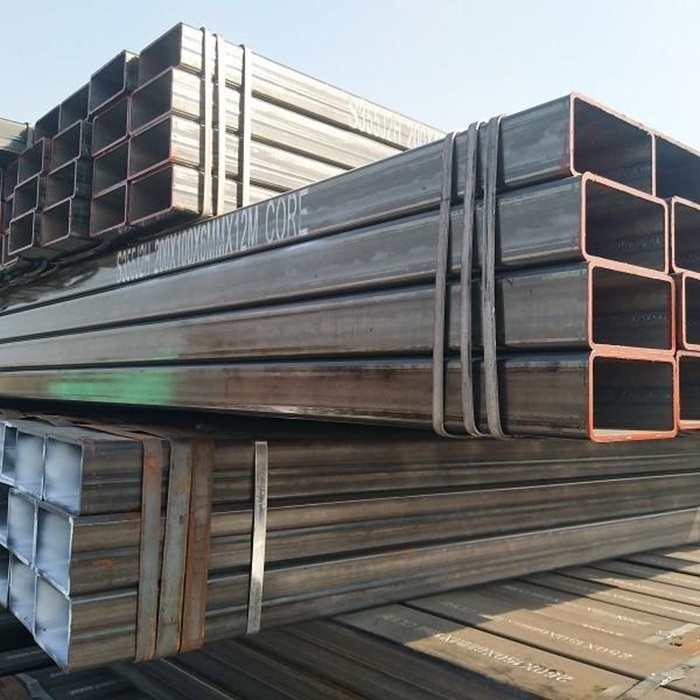
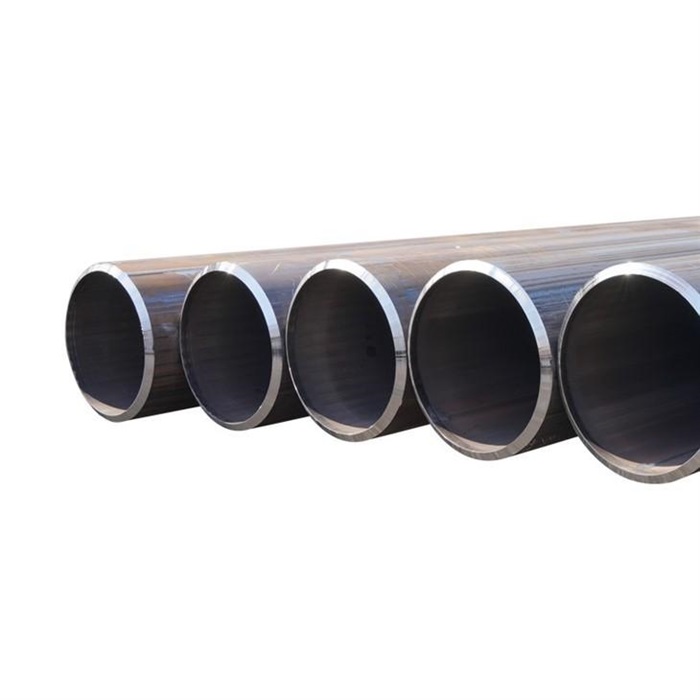
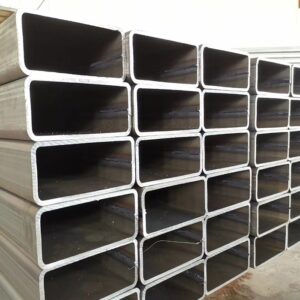
square steel pipe:Hot Rolled Q355 Low Alloy Steel Plate Including welded square tubes, rectangular tubes and seamless square-rectangular tubes, they possess both pressure-bearing and torsion-resisting properties, and are used for curtain wall frameworks, guardrails and mechanical racks.

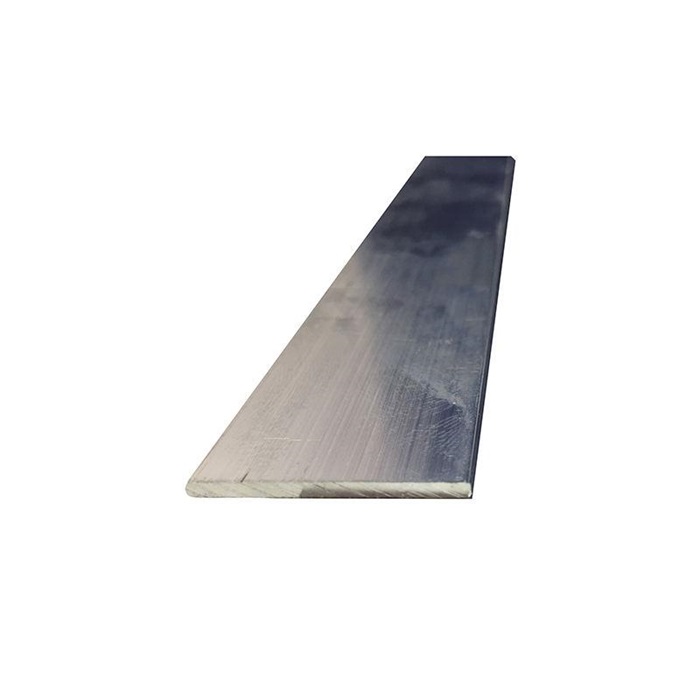
Round steel and flat steel: High Strength Astm Q355 Structural Sheet Mild Carbon Steel Plate As basic bar materials or auxiliary connecting materials, they are used to manufacture bolts, shafts or embedded parts.

How is the weight of Q355 calculated?

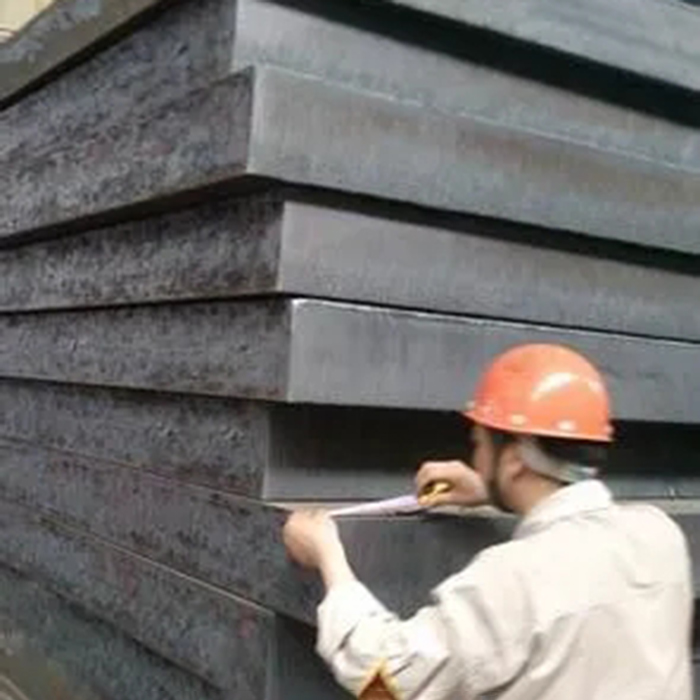
The density of Q355 Hot Rolled Carbon Steel Sheet/Plate is approximately 7.85 tons per cubic meter. The calculated weight can be determined by multiplying the thickness, width, length and density of the material.

Main international corresponding brand names:

EU standard (EN 10025): S355JR, S355J0, S355J2, S355K2, S355NL, S355ML.
US standard (ASTM): A572 Gr.50, A633 Gr.C/D.
Japanese standard (JIS): SM490YA/YB.
German standard (DIN): S355 system.

Q355 Clarify the boundaries between the basic level and the A/B/C/D levels of material selection?

Without suffixes A/B/C/D, it represents that the standard only assesses normal temperature tensile and cold bending properties, and does not mandate any V-notch impact test at any specific temperature. It is mostly used for secondary load-bearing components in mild temperature environments without continuous severe freezing and thawing.

Southern conventional buildings: Grade A is sufficient
Winter construction in North China: Choose Grade B
Extremely cold regions in the northeast/northwest: Starting at level C
Offshore platforms / polar equipment: Remember D-level: When choosing materials, it’s not about the more expensive the better; rather, it’s like tailoring clothes to fit the body – the suitable one is the best.

In which fields is the High Strength Q355 Steel Plate mainly applied?

Industrial factory buildings / High-rise and super-high-rise buildings / Commercial centers / Sports venues / Airport terminals / Steel columns / Steel beams / Trusses / Highway bridges / Railway bridges / Cross-sea bridges / Steel box girders / Bridge piers / Arch ribs /
Crane / Excavator / Loader / Concrete Pump Truck / Mining Machinery / Frame / Boom / Chassis / Vehicle Body Structure / Boiler Frame / Wind Turbine Tower / High Voltage Transmission Tower / Communication Tower /
Large pipeline supports / storage racks / inland vessels / coastal engineering ships / offshore platforms’ auxiliary components / blast furnace shells / heavy machine tool bases / large mold frames / agricultural machinery

Q355 Selection Guidelines:

  • Clarify design requirements
  • Service environment
  • Spessore
  • Welding process
  • Comply with standards and specifications

Is Q355 steel manganese steel or carbon steel?

Low-alloy high-strength structural steel
Q355 neither belongs to pure carbon steel nor high manganese steel; instead, it is classified as low-alloy high-strength structural steel.

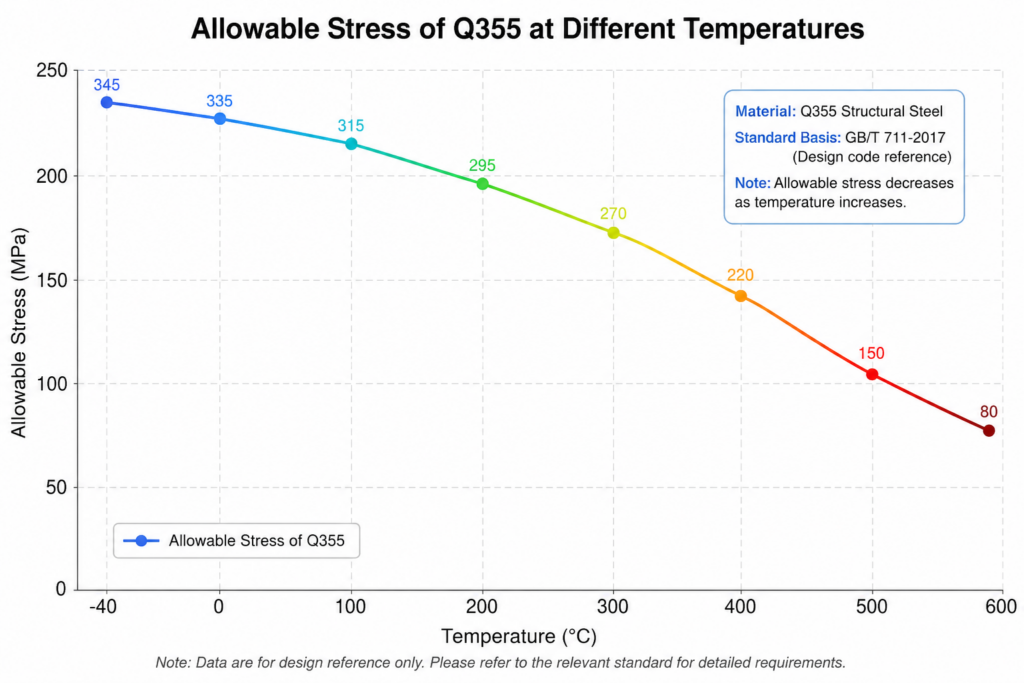
Stress Variation Curve of Q355 Under Different Temperatures

Allowable stress reference values of Q355 steel at different temperatures (MPa, for the group with thickness ≤ 16mm)
Temperature (℃)Allowable tensile/compressive stress [σ] (MPa)remark
-20 ~ 20215At normal temperature and low temperature, the yield strength is taken 355MPa,[σ]≈355/1.5≈237,standard is rounded to the nearest whole number 215
100205As the temperature rises, the strength slightly decreases
200189Significantly reduced
300170 
350158 
400142 
450124 
500104

high-temperature section drops sharply

55078Approaching the critical failure zone
≥600<60It is usually no longer used as a load-bearing structure

Invia la richiesta

Contatto

Il controllo completo sui prodotti ci permette di garantire ai nostri clienti i prezzi e il servizio migliori. Contattateci per un preventivo gratuito, JBLSTEEL vi fornirà la soluzione giusta per il vostro progetto.

Contattateci

Indirizzo

RICHIEDI UN PREVENTIVO GRATUITO
Inviateci un messaggio per qualsiasi domanda o richiesta di preventivo. Vi risponderemo al più presto, entro 1 ora.