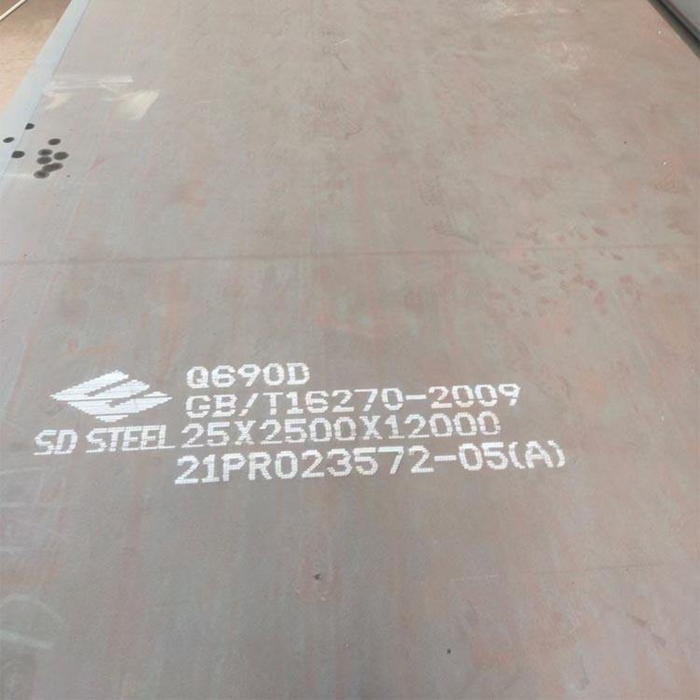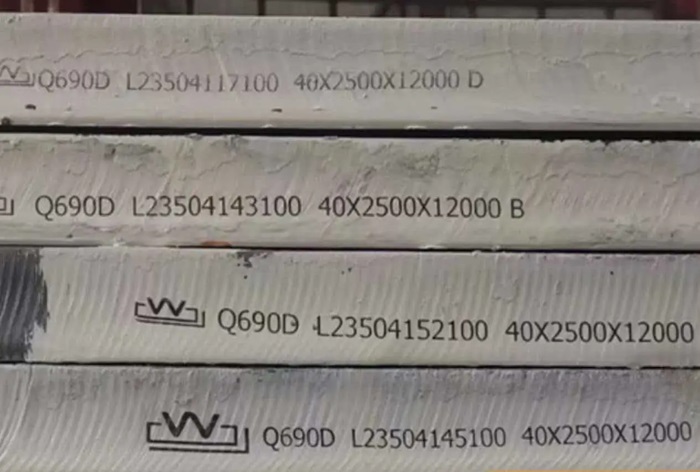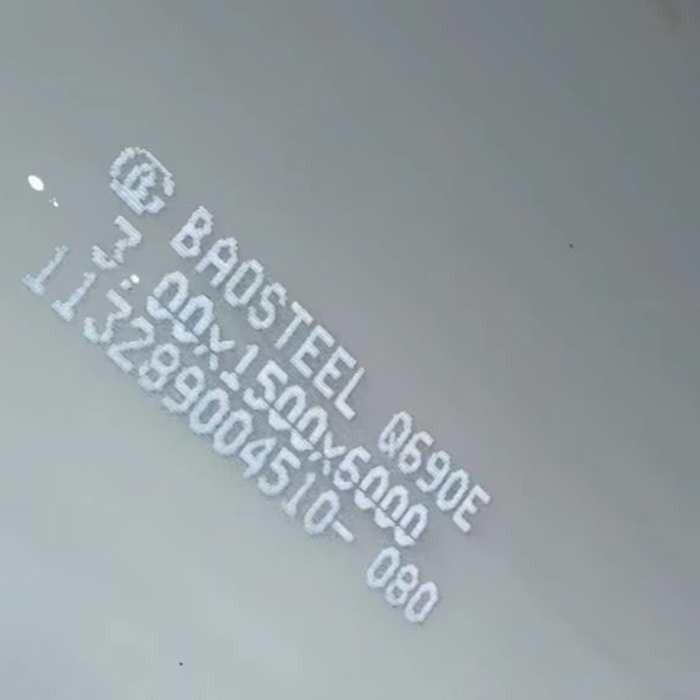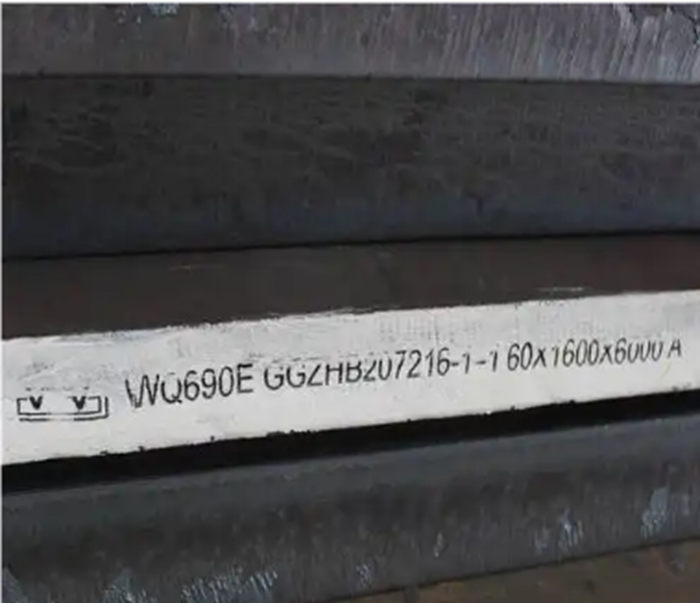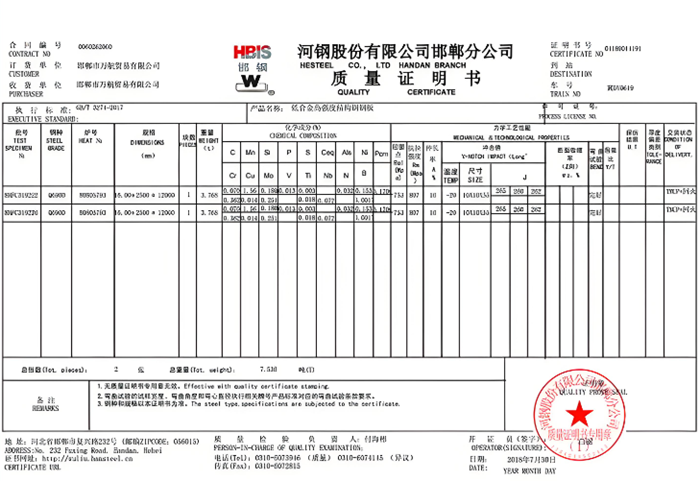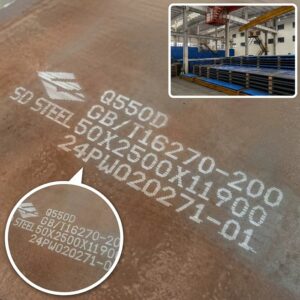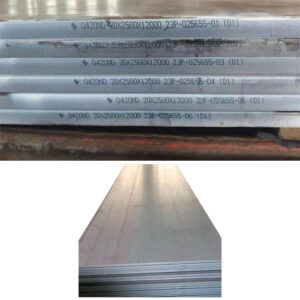
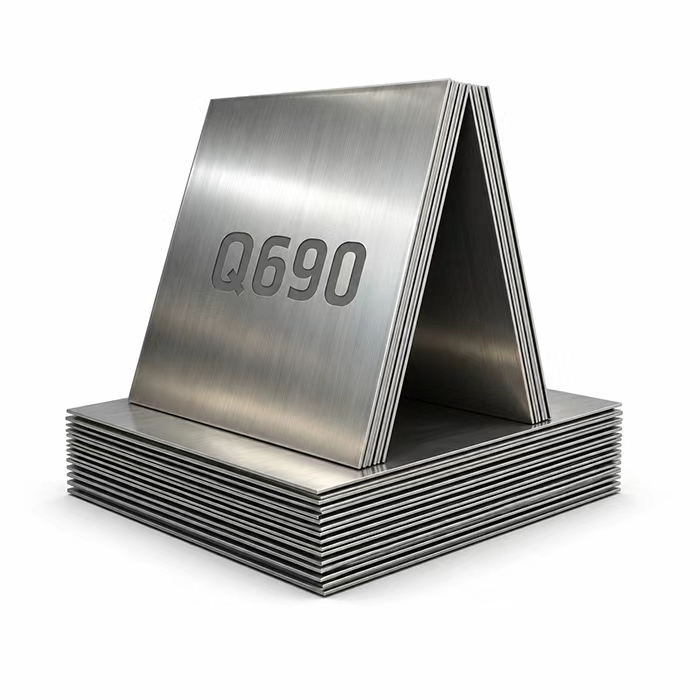
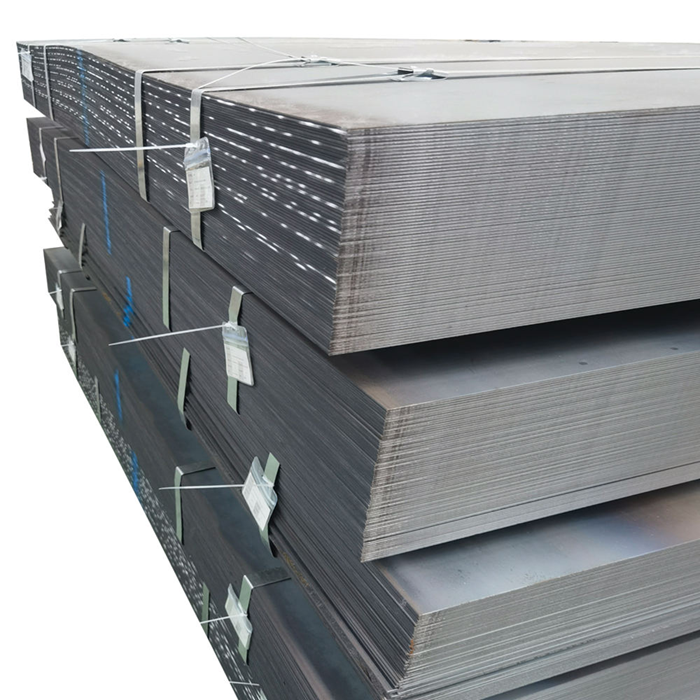
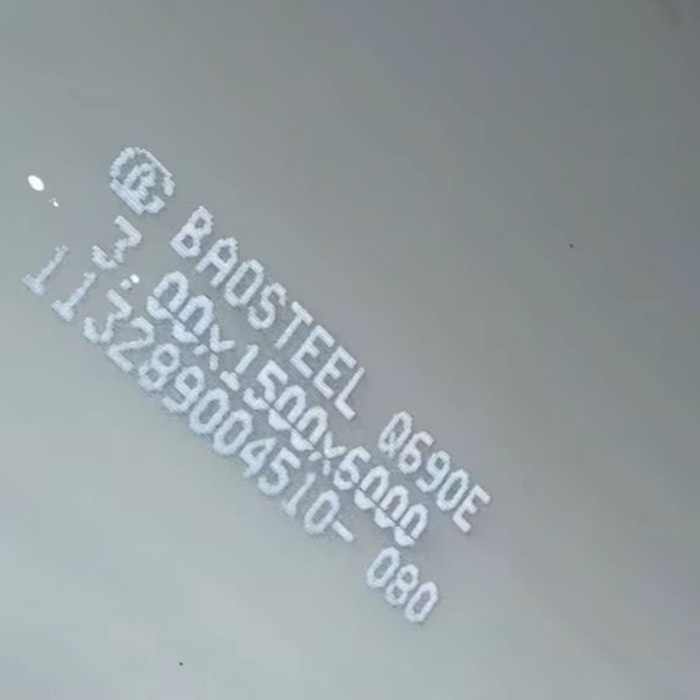
Q690 Steel Plate Q690C Q690D Q690E Q690CFD
JBLstainless
Q690C
Q690D
Q690E
Q690CFD
Q690M
S690Q / S690QL / S690QL1
Contact:Yancy
15503723682
[email protected]
Q690 Steel Plate, Q690C, Q690D, Q690E, Q690CFD. The thicker the plate, the higher the processing difficulty and cost, and the price will rise accordingly.Q690 High-strength Plate belongs to low-alloy high-strength structural steel, with a yield strength of 690 MPa. It features high toughness, resistance to fatigue and corrosion resistance.
When comparing quotations, it is necessary to comprehensively consider the material standards, delivery cycle and after-sales service, as well as the balance between material performance and cost. Only in this way can you select a Q690 Steel Plate with high cost-effectiveness!
JBL Stainless is your most reliable choice.
Q690 Steel Plate – Differences in Designations
| mark | executive standard | Suffix meaning/Key features | Suffix meaning/Key features | Typical delivery conditions and processes | Core application scenarios |
|---|---|---|---|---|---|
| Q690B | GB/T 1591-2018 | B= Normal temperature grade, with no mandatory requirement for low-temperature toughness | 20℃(At room temperature) | Hot rolling/controlled rolling | General normal temperature structure, not in extremely cold regions |
| Q690C | GB/T 1591-2018 | C=Low-temperature toughness at 0℃ | 0℃ | Controlled rolling/quenching and tempering | Mechanical structure in a mild low-temperature environment |
| Q690D | GB/T 1591-2018 | D=-20℃ low-temperature toughness, general-purpose high-strength steel | -20℃ | Controlled rolling (TMCP) or quenching and tempering | Construction machinery, cold region Bridges, general heavy-duty equipment |
| Q690E | GB/T 1591-2018 | E=-40℃ deep low-temperature toughness | -40℃ | Quenching and tempering (QT) is the main approach | Extremely cold regions, mining equipment, key load-bearing components |
| Q690F | GB/T 1591-2018 | F=Ultra-deep low-temperature toughness at -60℃ | -60℃ | Tempering (QT) | Special extremely cold working conditions (less common) |
| S690Q | EN 10025-6 ABELL | Q=Quenching + tempering for quenched and tempered structure, for export/foreign-related mainstream products | -20℃ (Lateral dimension ≥ 30 mm) | Mandatory quenching and tempering (Q + T) | Export machinery, EU standard projects, precision structures |
| Q690CFD | GB/T 28415-2022 | C=0℃, F= fire resistance, D=Z35 resistance to layered tearing | 0℃ + Fire-resistant + Z-direction | Quenching and tempering + refining vacuum degassing | Key nodes for fire-resistant structures of high-rise buildings and thick plate welding |
Can the national standard Q690D be directly substituted for the European standard S690Q?
Cannot be directly interchanged
What are the differences between the quality grades of Q690 high-strength structural steel?
Only by changing the qualified temperature threshold of the low-temperature impact energy, from the normal temperature of 20℃ to gradually decrease to -60℃, the strength indicators remain basically the same, but the E/F grades have higher requirements for purity and finer grain size.
Q690 Main Chemical Components
Q690 Mechanical Properties of High-Strength Plates
Why can the price of the same model Q690 high strength steel vary by over a thousand yuan?
After purchasing the Q690 steel plates, it was only then that we realized that transportation and storage were the major problems?
A set of [steel plate transportation equipment] including anti-slip brackets and moisture-proof membranes, although it increases the procurement cost by approximately 5%, can reduce the arrival loss by 80%.
What’s the problem with the welds of your Q690 steel plates?
environmental temperature
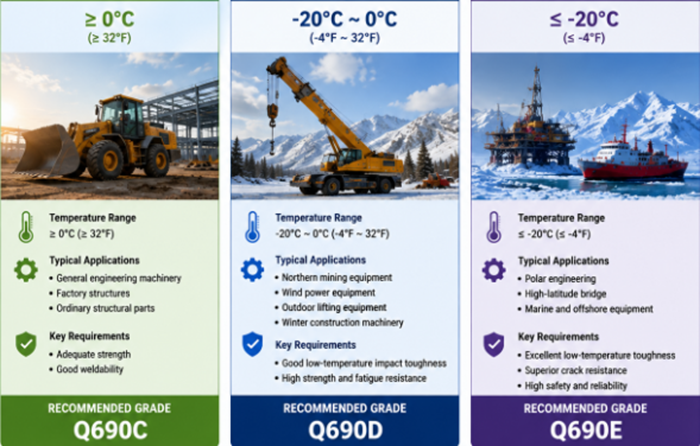
At normal temperature or above -20℃ environment: Choose Q690D, which meets -20℃ impact energy of ≥ 47J, suitable for most indoor workshops and ordinary construction machinery.
At cold regions (-20℃ to -40℃): Choose Q690E, which meets -40℃ impact energy of ≥ 27J, used for northern outdoor equipment, mining machinery, and high-altitude structures.
In extremely cold (-40℃ to -60℃) or extremely harsh environments: Choose Q690F or special bridge steel Q690qF, ensuring -60℃ toughness, suitable for polar equipment, cold sections of cross-sea bridges.
application scenarios
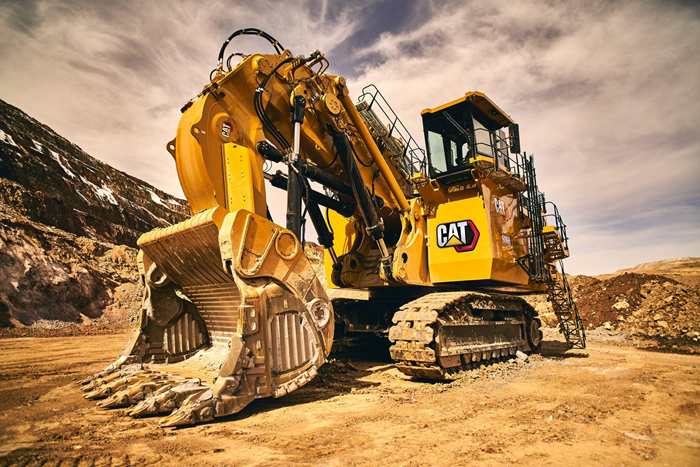
General machinery and heavy equipment (crane booms, excavator bucket rods, dump truck compartments): The preferred standard is GB/T 1591/16270 Q690D/E, considering strength, weldability and cost. It is necessary to confirm the quenching and tempering (Q+T) delivery condition to ensure uniform section performance.
Long-span bridges and heavy-load railways: The specific steel type must be bridge-specific steel Q690qF (GB/T 714), with stricter control of phosphorus and sulfur, specially designed for anti-fatigue and extreme cold resistance. Ordinary Q690D/E is not compliant.
Core tubes and giant columns of high-rise buildings: In addition to strength, the Z-direction performance (Z15/Z25) must be required to prevent laminar tearing. It is necessary to verify whether the yield strength of thick plates (>40mm) has been reduced (thick plates may drop to 630MPa).
Ocean engineering and chemical equipment: Attention should be paid to the addition of corrosion-resistant alloy elements (Ni/Cr). In some scenarios, equivalent materials such as S690QL from the European standard need to be corresponding. Ensure that the weld seam and the base material have the same strength matching.
High-strength plate thickness
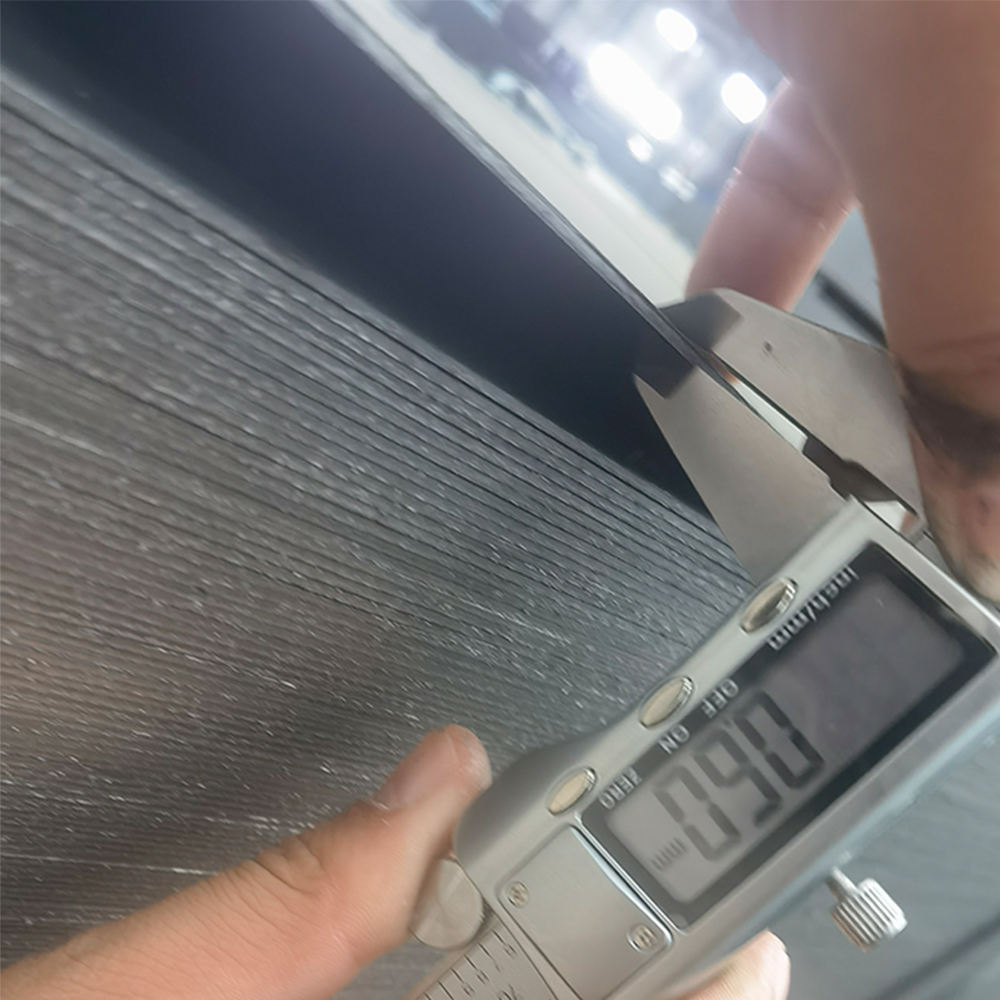
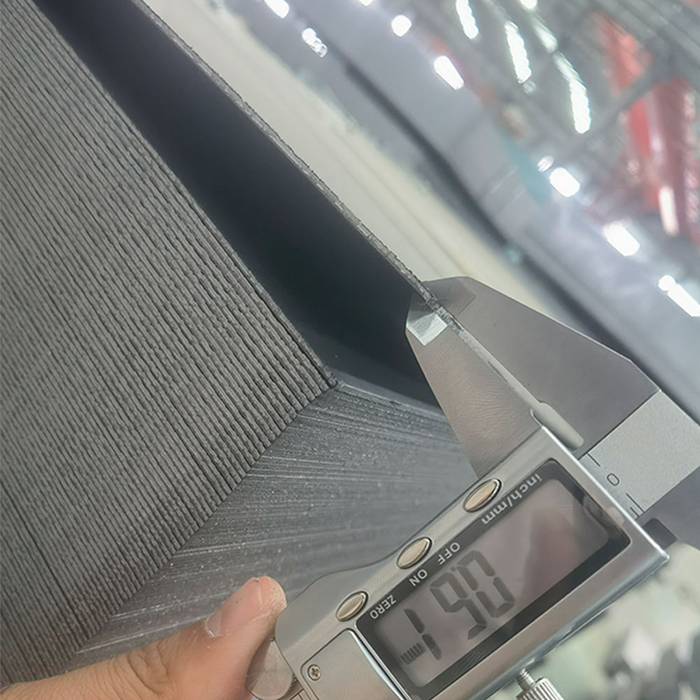
6mm、8mm、10mm、12mm、14mm、16mm、20mm、25mm、30mm、35mm、40mm、50mm、60mm、80mm、100mm、120mm
Q690: Does the high-strength plate support small-batch customization?
yes,JBL Stainless suggests conducting a small-scale trial production of Q690 high-strength structural steel first, including full-process tests for cutting, welding, and painting. Then, a final purchasing plan can be determined.
Understanding the characteristics of Q690 steel?
The carbon equivalent of Q690 steel is as high as 0.55. Welding of this material is prone to cause cold cracks. Preheating at 200°C is necessary and the interlayer temperature should be controlled. The strength of the heat-affected zone may decrease by 15%.It is recommended to preheat to 200°C before welding, and the interlayer temperature should be controlled within the range of 150-250°C.
What are the differences between Q690E steel plate and Q690NE steel plate?
The Q690E steel plate is a common high-strength steel in national standards; the Q690NE is an upgraded version of Q690E, with the addition of “weather resistance / special purity”, featuring higher cold hardness, lower impurities, and being more suitable for outdoor / cold regions / long-term service structures.
Can surface treatment further enhance the durability of high-strength steel?
yes
The quality of surface treatment directly affects the subsequent coating effect.
Comparison among Q550, Q890, Q960, and Q690?
1. Raw material control: Q690 Steel, Q690C Q690D Q690E Select high-quality scrap steel and alloy elements, strictly control the impurity content to avoid affecting the performance of the steel.
2. Heating process: The Q690 High Strength Low Alloy Steel Plate/sheet heating temperature must be precise. If it is too high, it may cause coarse grains; if it is too low, it will make the rolling difficult and affect the uniformity of strength.
3. Rolling process: Q690 high strength steel Use multi-pass rolling, control the deformation amount, ensure the internal structure of the steel is dense, and enhance the tensile strength.
4. Cooling treatment: Hot Rolled Alloy Q690 Automotive Beam Plate 12-40mm Thick High-Strength Steel Plate Adjust the cooling speed according to the thickness to avoid excessive internal stress and reduce the risk of cracking.
5. Quality inspection: Q690 high strength structural steel Sample test each batch for strength, toughness and other indicators to ensure compliance with standards before leaving the factory.
Why is the demand for Q690 55mm thick high-strength steel plate continuously increasing?
For the same high-strength plate, why does one person use it for 5 years while another uses it for only 2 years?
Storage stage: If the GB Q690 Ultra High Strength Steel materials are left in an open-air storage for more than 3 months, they should be coated with anti-rust oil. The edges with burrs are the most prone to rust.
Processing stage: When High Strength Structural Steels Q690 cold bending, if the bending radius is less than 8 times the plate thickness, micro cracks may occur.
Maintenance stage: Q690 Steel Plate Once a year, use the steel plate painting equipment to repaint, and focus on checking the stress concentration areas.
After buying the high-strength plates, I realized that these processing equipment were indispensable.
Cutting accuracy / Welding preparation / Surface treatment
JBL Stainless can be customized according to your needs.
Il controllo completo sui prodotti ci permette di garantire ai nostri clienti i prezzi e il servizio migliori. Contattateci per un preventivo gratuito, JBLSTEEL vi fornirà la soluzione giusta per il vostro progetto.