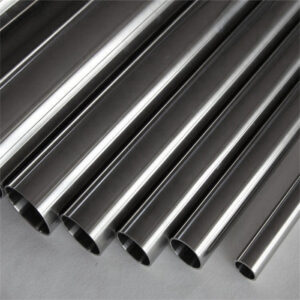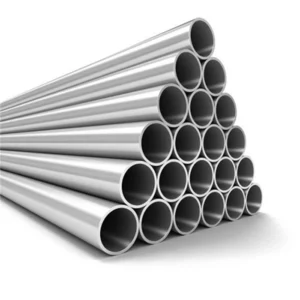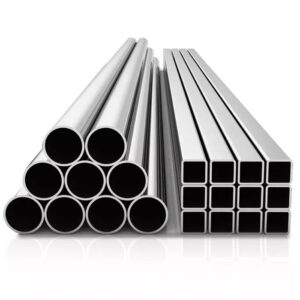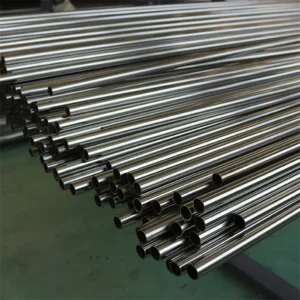
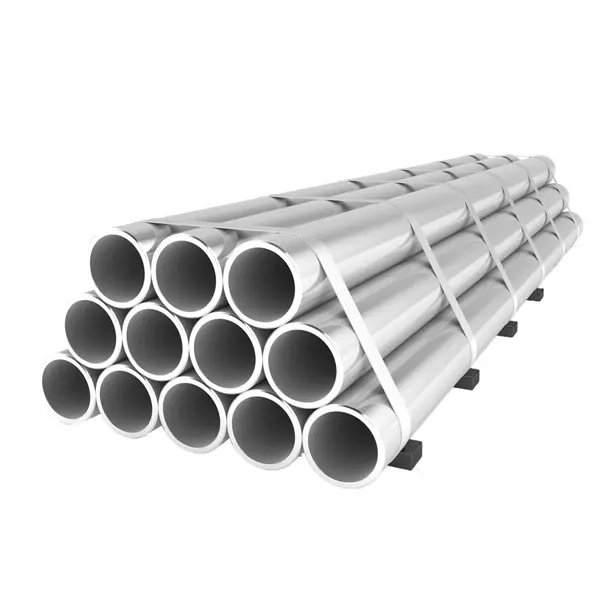
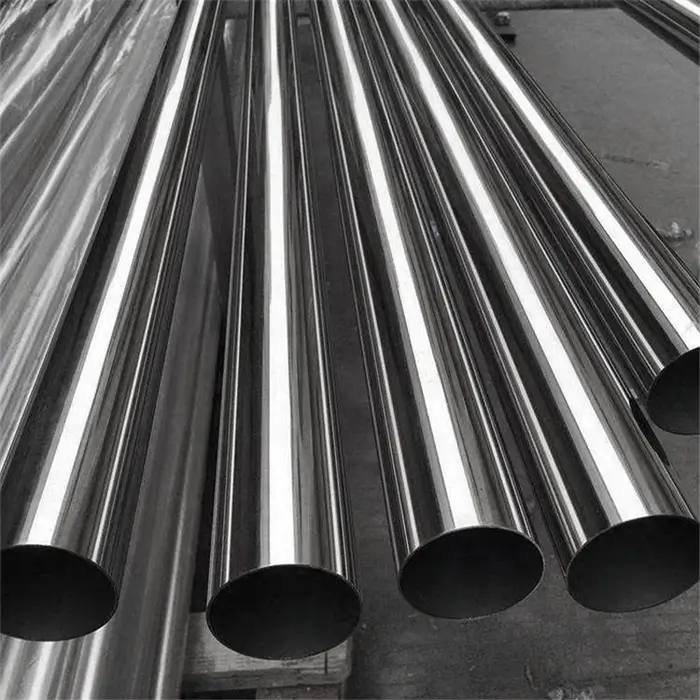
317 Stainless Steel Tubing is a high-chromium-nickel-molybdenum alloy pipe containing up to 3–4% molybdenum, significantly exceeding the levels found in 316/316L grades, which provides excellent resistance to acid corrosion and high-temperature strength, making it suitable for extreme chemical environments.
Tube, Seamless ASTM Standard: A213
Tube,Welded ASTM Standard: A249
Material: 317, 317L
317 Stainless Steel Tubing is a high-chromium-nickel-molybdenum alloy pipe containing up to 3–4% molybdenum, significantly exceeding the levels found in 316/316L grades. The high molybdenum content significantly enhances the resistance to pitting and crevice corrosion in chlorine-containing environments, making it particularly suitable for extreme conditions such as seawater and strong acidic chemical media. The additional nickel and chromium ensure the pipe remains stable and durable at high temperatures, effectively extending equipment service life.
317 stainless steel tubing has become the preferred choice for marine engineering, chemical pickling, and other demanding applications, providing superior protection for diverse industrial projects.
Material:317, 317L stainless steel
Standard:ASTM A213, ASTM A249, ASTM A269
Sizes (Seamless): 1/2″ NB – 24″ NB
Sizes (ERW):1/2″ NB – 24″ NB
Sizes (EFW): 6″ NB – 100″ NB
Wall Thickness: Sch 5S – Schedule XXS (heavier on request)
Cut-to-Length: Precise cutting according to customer specifications minimizes on-site installation waste.
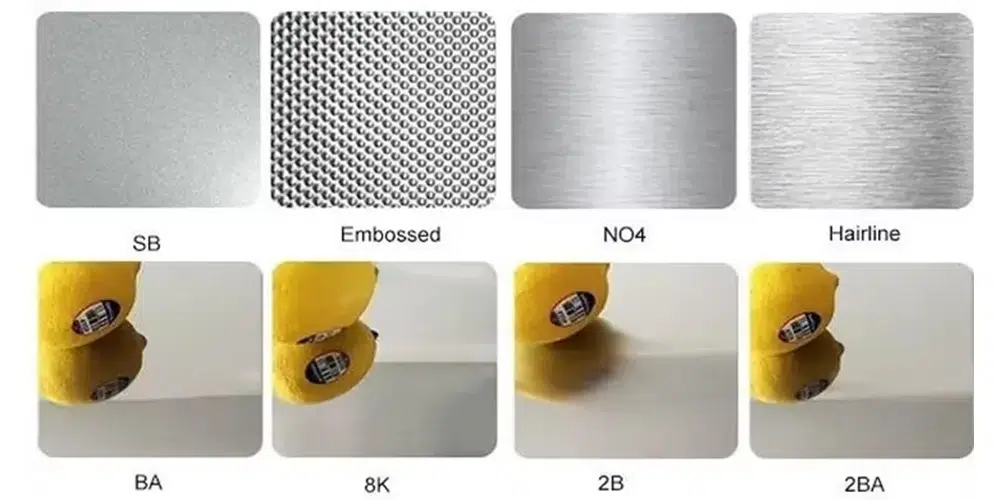
Mirror Polishing: Provides mirror-finish polishing for both inner and outer surfaces of pipes, suitable for sanitary-grade piping or projects with stringent decorative requirements.
Pickling and Passivation: Applies professional pickling and passivation processes to remove weld scale and surface impurities, forming a dense passivation layer that significantly enhances corrosion resistance.
Thick-Wall Pipe Manufacturing: Custom production of various thick-wall dimensions to meet high-pressure or high-strength engineering demands.
317 stainless steel is essentially a high-performance alloy developed from the classic 18-8 austenitic stainless steel (such as 304) by significantly increasing the molybdenum (Mo) content and optimizing other elements.
| Grade | C | Mn | Si | P | S | Cr | Mo | Ni | Fe |
| SS 317 | 0.08 max | 2 max | 1 max | 0.045 max | 0.030 max | 18 – 20 | 3 – 4 | 11 – 15 | 57.845 min |
Chromium (Cr): Chromium is the core element that forms the passivation film and provides essential corrosion resistance.
Nickel (Ni): Nickel stabilizes the austenitic structure, ensuring the material’s toughness, non-magnetic properties, and weldability at both ambient and low temperatures.
Molybdenum (Mo): This is the key distinction between 317 stainless steel and the 316 series (Mo content 2-3%). The addition of molybdenum significantly enhances the material’s resistance to pitting and crevice corrosion in environments containing halides such as chloride ions.
Carbon (C): Increases strength but readily combines with chromium to form chromium carbides, leading to chromium depletion at grain boundaries and triggering intergranular corrosion.
317 ss pipe is more resistant to pitting and crevice corrosion in chloride environments than conventional chromium-nickel austenitic stainless steels such as 304 stainless steel pipes.
The higher carbon content of 317 stainless pipe also makes the steel less weldable than 304 or 316 stainless steel.
This is the most prominent advantage of 317 stainless steel. The molybdenum (Mo) element effectively suppresses the initiation and propagation of pitting and crevice corrosion by enhancing the passivation film’s ability to re-passivate in chlorine-containing environments and reducing the risk of localized breakdown of the passivation layer.
PREN
316L: 24-26
317L: 29-33
In applications such as seawater, chlorine-containing media in chemical processes, and salt spray environments, the service life and safety of 317 stainless steel pipe significantly exceed those of 316L.
317L stainless steel is a low-carbon variant of 317, with carbon content typically strictly controlled below 0.030, which significantly reduces the risk of chromium carbide precipitation during welding or high-temperature service, substantially enhancing its resistance to intergranular corrosion and post-weld corrosion resistance. Therefore, 317L is the preferred material for welded components or applications where service temperatures fall within the sensitization range (approximately 450-850°C).
Complete control over products allows us to ensure our customers receive the best quality prices and service. Contact us for a free quote,JBLSTEEL will provide the right solution for your project.