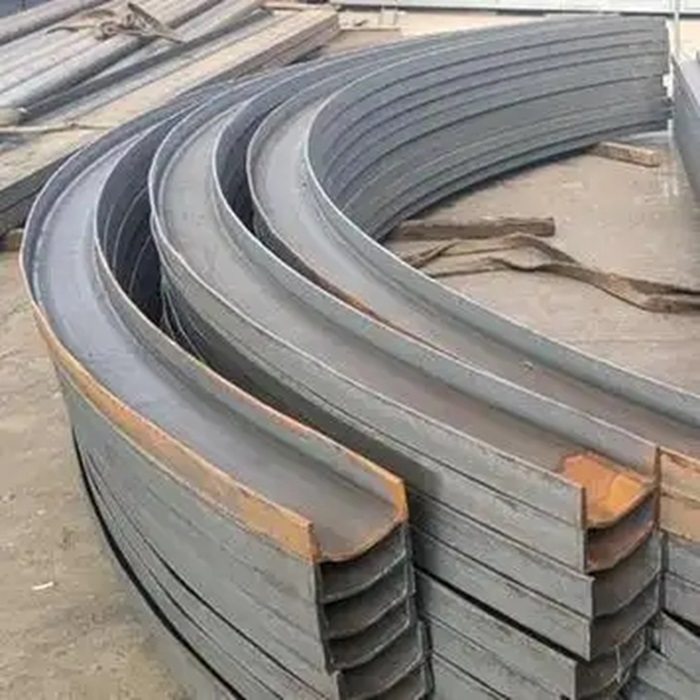
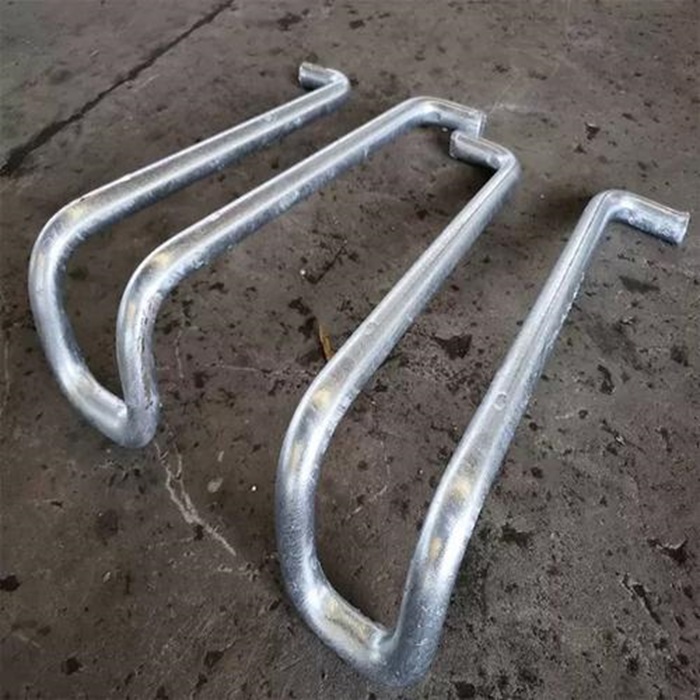
What is Profile Steel?
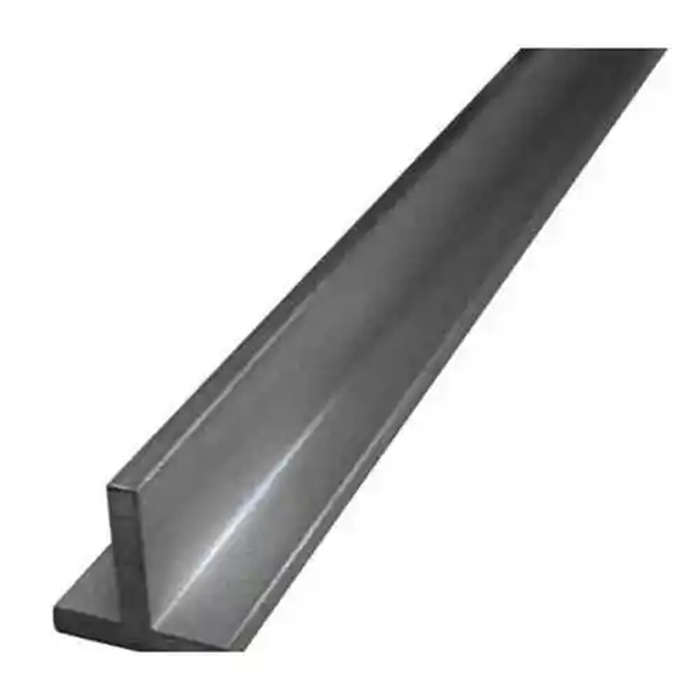
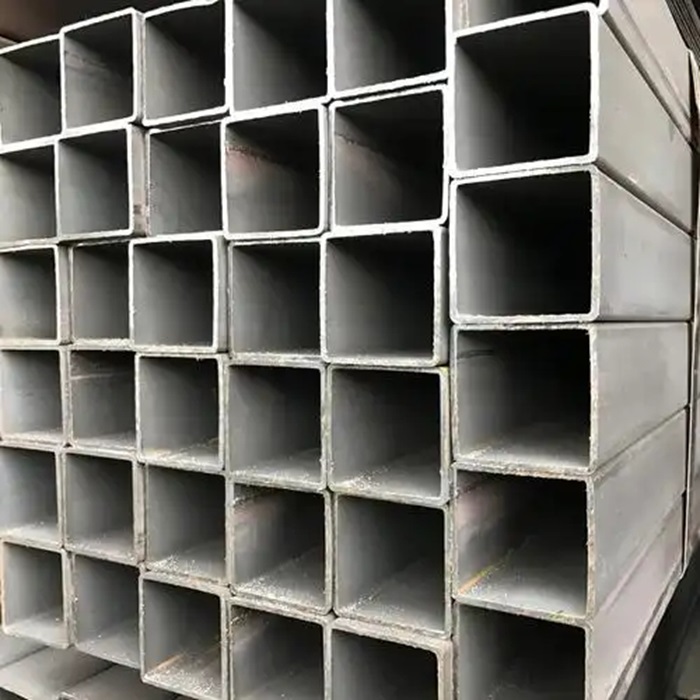
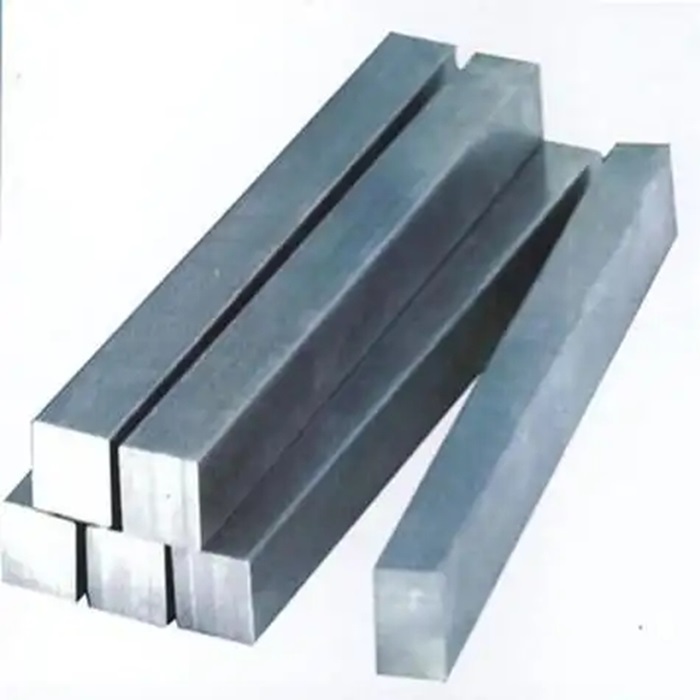
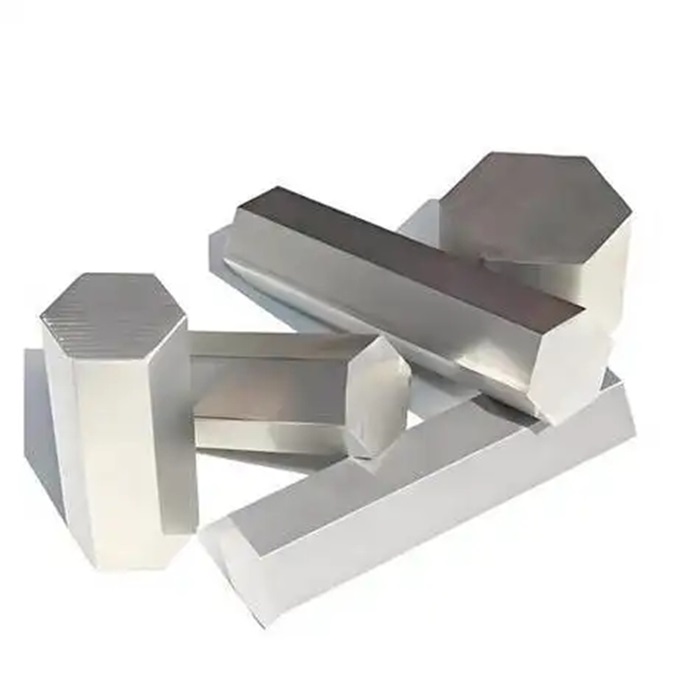
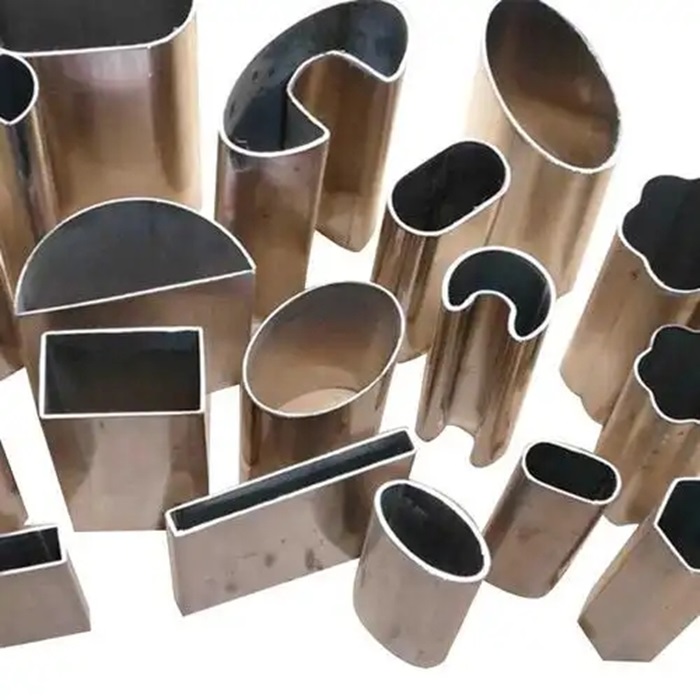
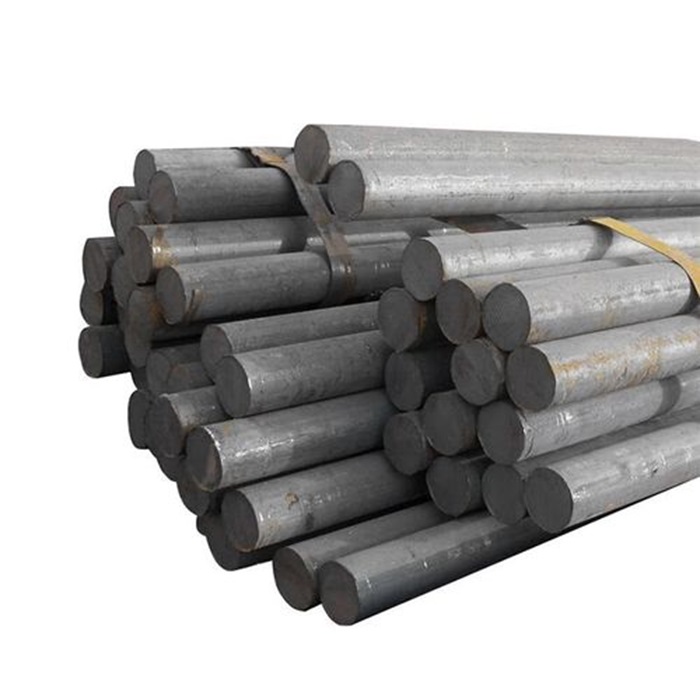
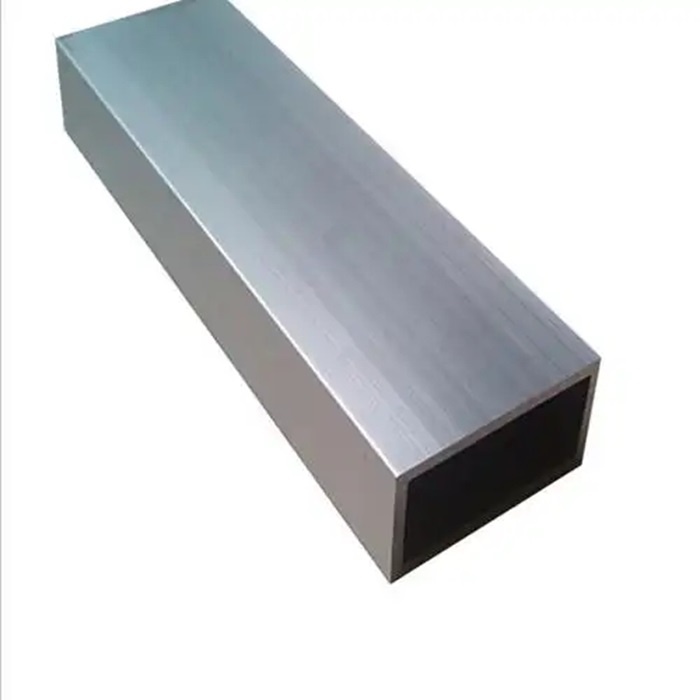
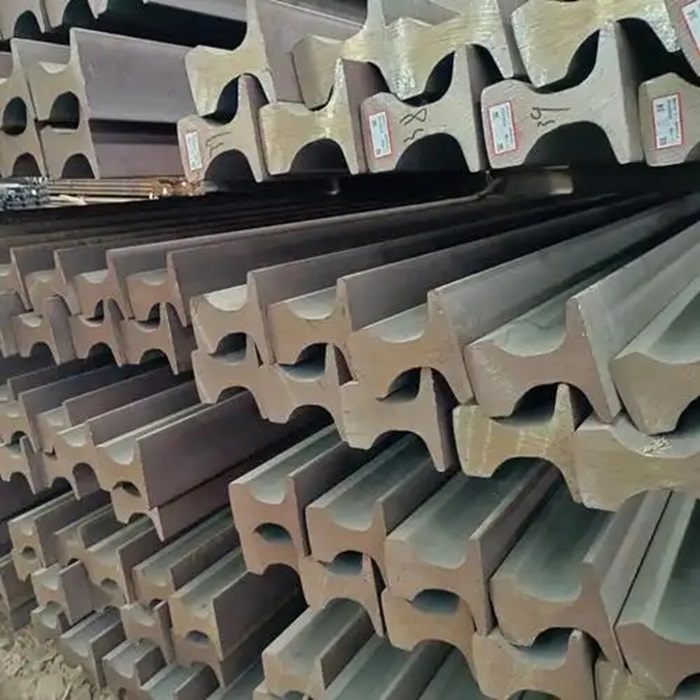
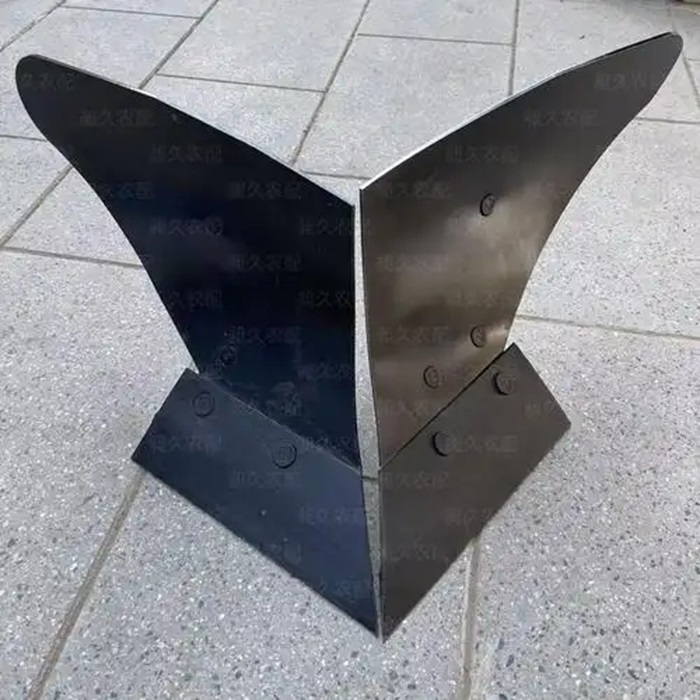
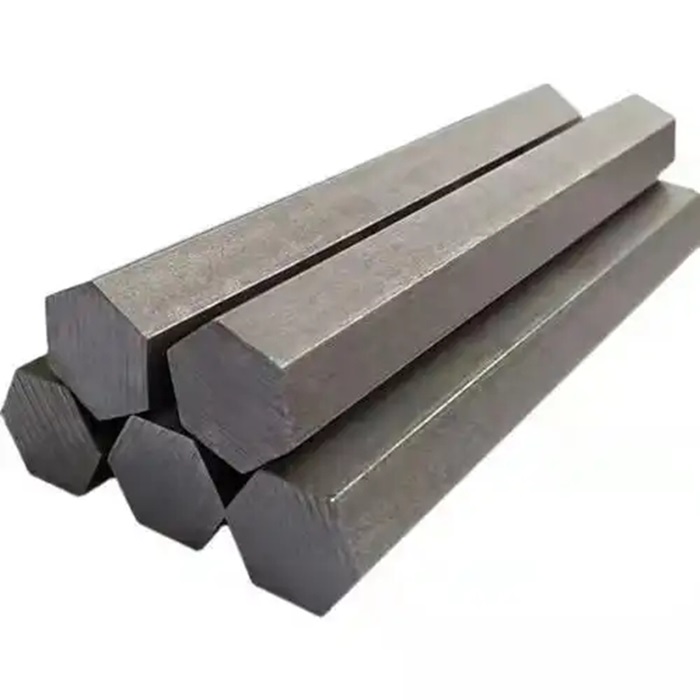
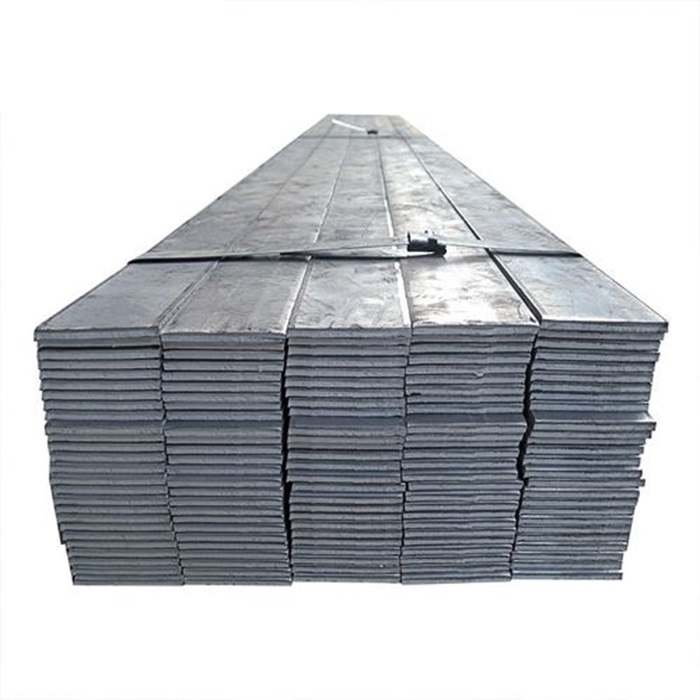
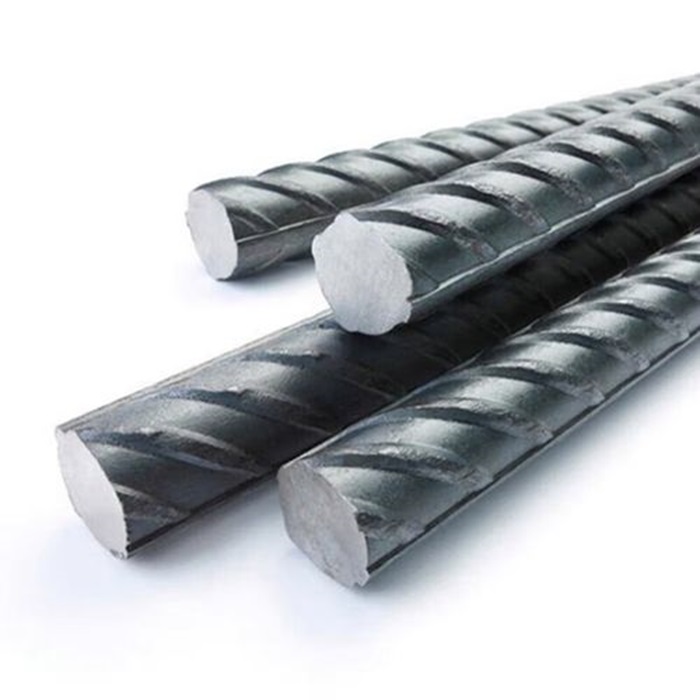
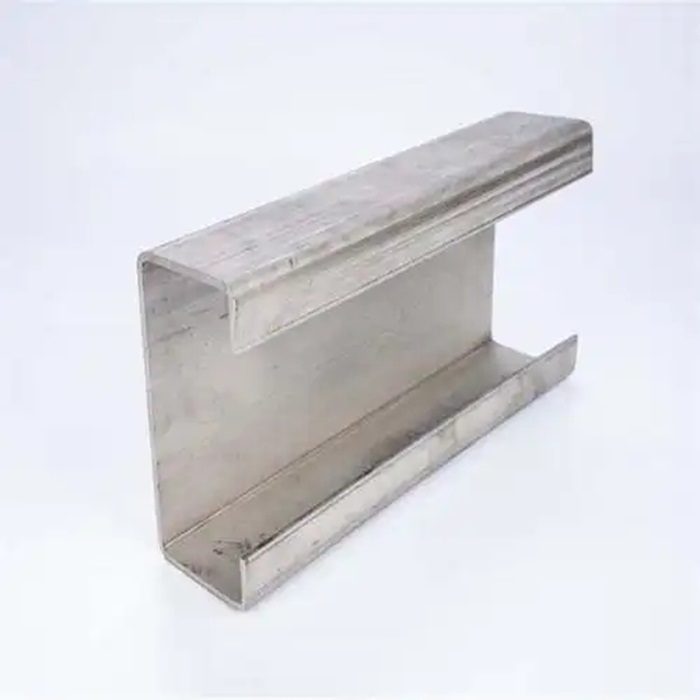
Steel sections are long strips of steel with a specific cross-sectional shape and size. They are one of the four major types of steel (plates, tubes, sections, wires).
What is the difference between I-beams and structural steel sections?
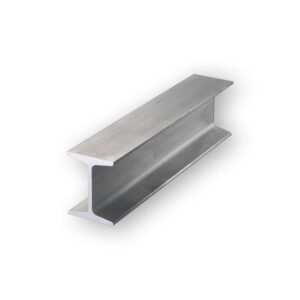
I-beam steel is actually a type of section steel. Section steel generally refers to all kinds of steel with specific-shaped cross-sections. The I-beam steel gets its name because its cross-section resembles the character ‘工’ in Chinese.
How do you determine whether a type of steel qualifies as a steel section (profile)?
To determine whether a certain steel type belongs to section steel, two key characteristics need to be considered: one is that the cross-sectional shape is specially designed, and the other is that it is formed through standardized processes.
Common specifications and dimensions?
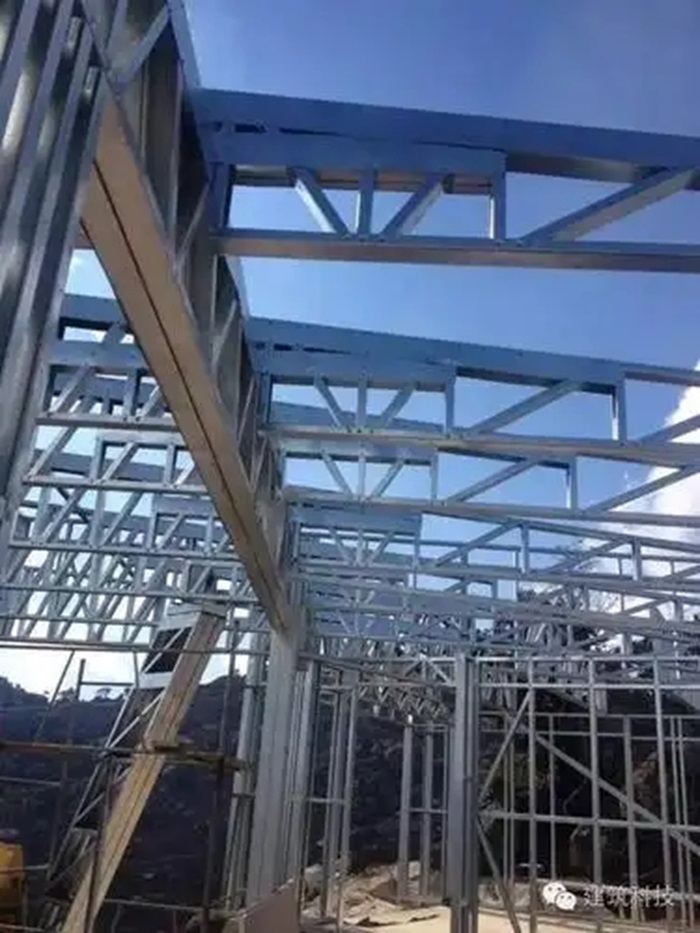
Smaller size (100 – 300mm) is mostly used in lightweight steel structures or mechanical manufacturing;
Medium size (300 – 600mm) is commonly found in factories, warehouses and other buildings;
Larger size (over 600mm) is mainly used in bridges, heavy industrial buildings and other occasions that require large spans.
What is the visual appearance of I-beams?
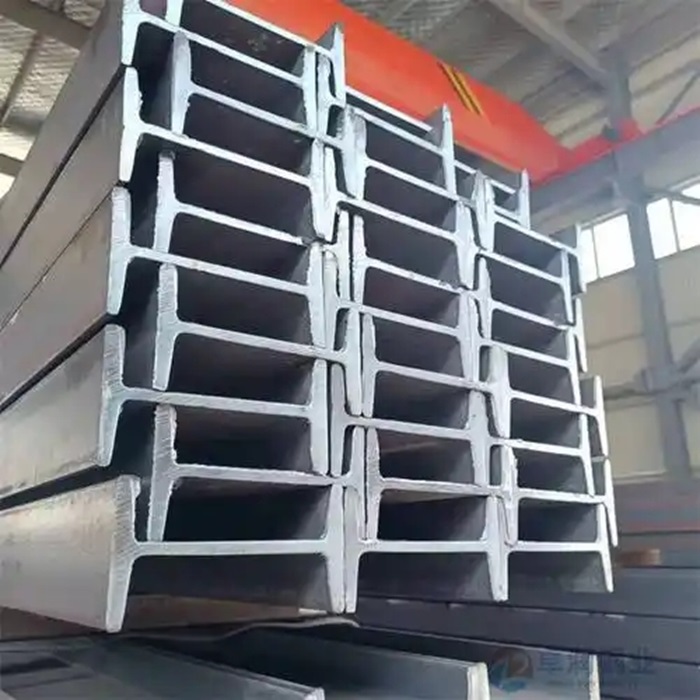
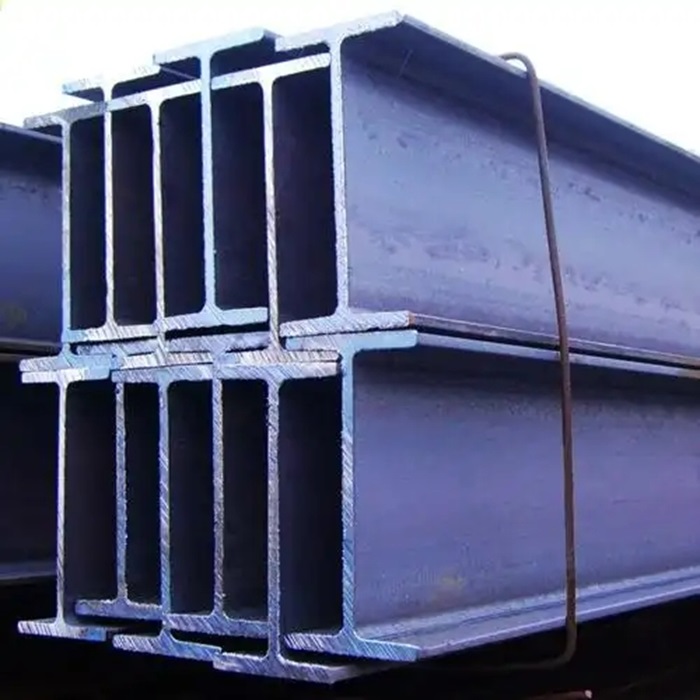
Structural steel is a long strip of steel with a cross-section in the shape of an “I” character. The upper and lower flanges and the middle web form a stable load-bearing structure.
What is the theoretical weight of Steel Profiles sections?
From 4.20 yuan per kilogram to 3,350.00 yuan per ton.
Differences between H-beams and standard I-beams?
The leg width and waist thickness ratio of H-shaped steel is more balanced, and the distribution of the section’s moment of inertia is more reasonable.
The leg width of ordinary I-beam is relatively narrow, and its main advantage lies in the lateral bending resistance.
What are the connection and fixing methods for I-beams?
Heavy-duty I-beam steel structures require the use of high-strength steel bolts and embedded parts. For specifications of 22a and above, it is recommended to use bolts of grade 8.8 or higher, and add angle brackets to distribute the stress at the nodes.
Is the steel section hot-rolled or cold-rolled?
Steel sections can be either hot-rolled or cold-rolled.
What is the difference between L-shaped steel and angle steel?
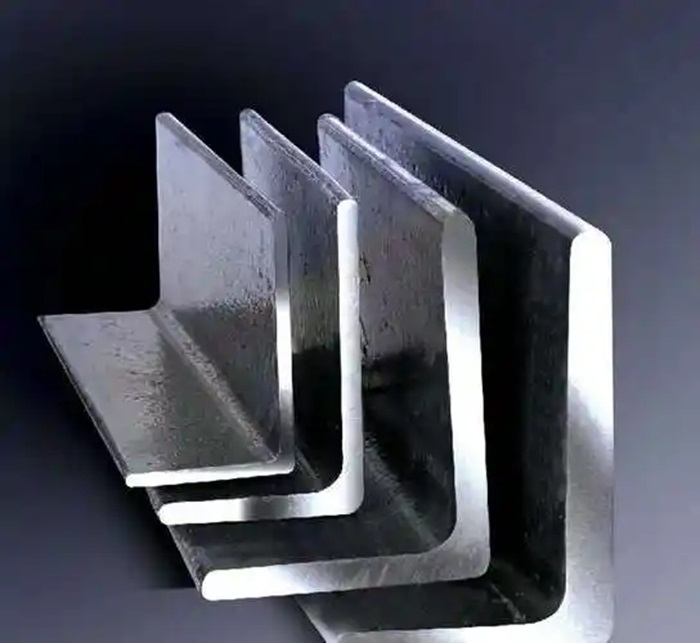
Although the cross-sectional shapes are similar, in the industry, when referring to angle steel, it is usually assumed to mean equilateral angle steel. This highly standardized type of material is easier to purchase and process in large quantities, which is why it is more commonly used in building steel structures than L-shaped steel.
Guide to Calculating Metal profiles Weight?
- Theoretical weight (kg/m) = Cross-sectional area (m²) × Density (7850 kg/m³)
- Simplified formula: Web thickness × (Height – 2 × Flange thickness) + 2 × Flange width × Flange thickness
- For the specification of 750×264×11.9×15.5, convert all units to mm before calculating the cross-sectional area