Why are high-strength plates widely used in cranes?
Crane structures extensively utilize low alloy high strength structural steel plate, with the core purpose being to achieve structural lightweighting while ensuring the safety of load-bearing, thereby enhancing lifting capacity, operational efficiency, and reducing energy consumption.
Why do mining equipment require high-strength plates?
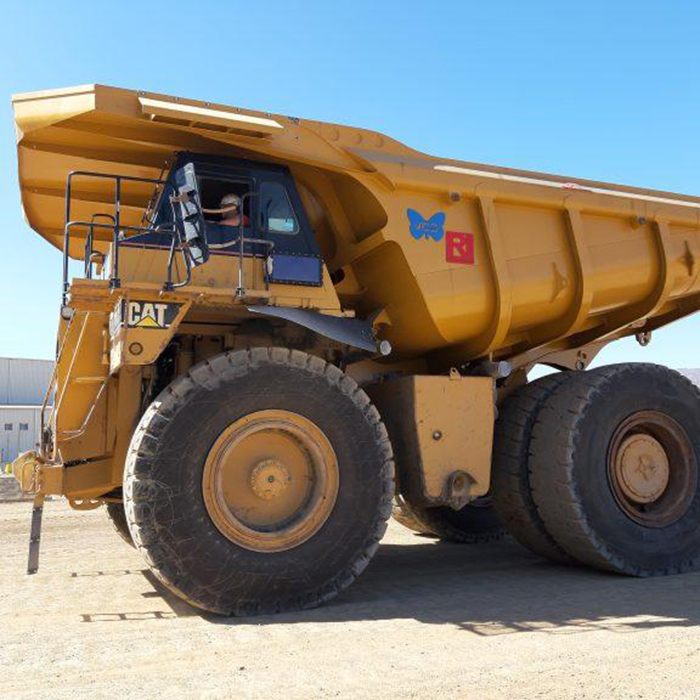
Mining equipment requires the use of High Yield Strength Steel . The key lies in their high strength, high toughness, and wear-resistant and impact-resistant properties, which can cope with extreme heavy loads, frequent impacts and wear conditions, while achieving lightweight structure and long service life.
How long does the high-strength plate last?
High Strength Carbon Steel do not have a fixed single lifespan. Their service life for structures typically ranges from 50 to 100 years, for automotive/mechanical components it is approximately 10 to 20 years, and in extremely worn-out conditions it can be just a few months. The exact duration depends on the material grade, protective process, and environmental loads.
What are the advantages of China JBL Company in purchasing high-strength plates?
- Cost and price advantages
- Sufficient on-site inventory
- Support for one-stop services including CNC cutting, bending, etc. for advanced processing
- High efficiency in matching supply and demand
What are the differences between domestic high-strength plates and imported high-strength plates?
The performance of domestic and imported high-strength plates has converged in the mid-to-low-end grades. However, in terms of high-end ultra-high-strength steel (≥1500MPa) and special coating processes, imports still have a slight edge. The core differences lie in the stability of extremely high-end materials, the technical details of surface coating, and the speed of supply chain response, rather than basic mechanical indicators.
What factors affect the price of high-strength plates?
- Cost fluctuations /
- Market supply and demand relationship /
- Complexity of specifications and processes /
- Macro logistics and exchange rates/
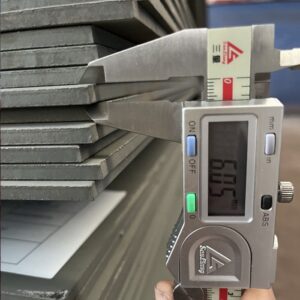
How to choose the steel appropriate thickness?
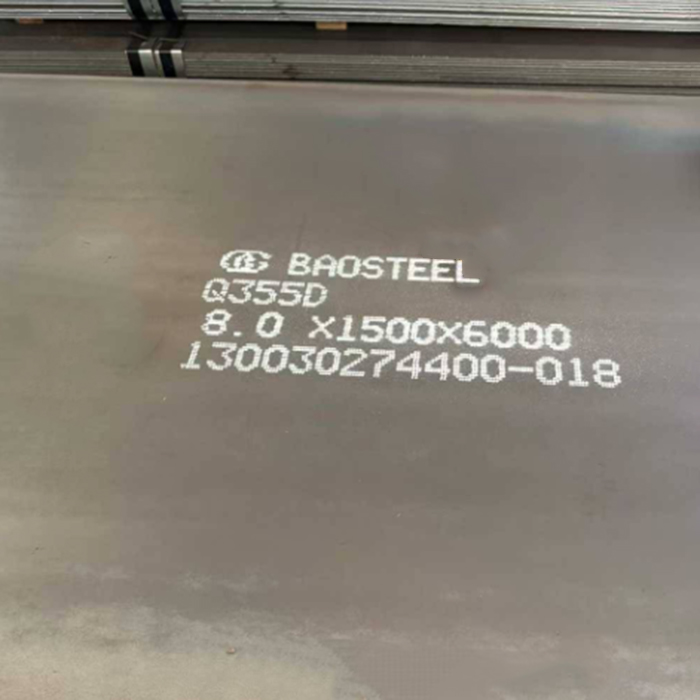
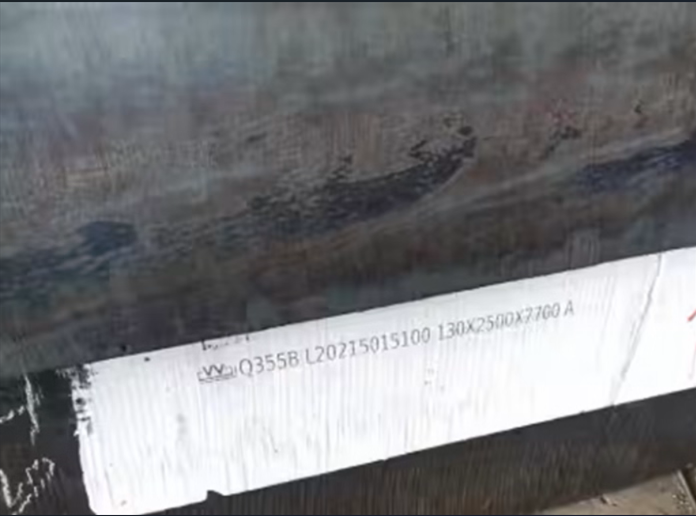
The selection of the thickness of high-strength plates Q355 (A/B/C/D/E) should be determined based on load calculation, reduction of thickness according to strength grade, welding process, and lightweighting goals.
How to select the grade based on the working conditions?
Identify key failure modes (temperature/medium/load/wear) → Match core performance indicators → Select corresponding material categories → Fine-tune to specific brands.
Why is the high-strength plate so strong but prone to cracking?
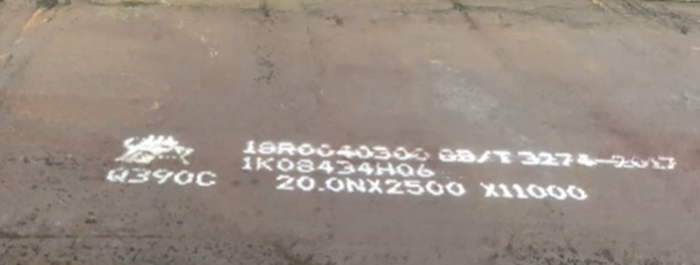
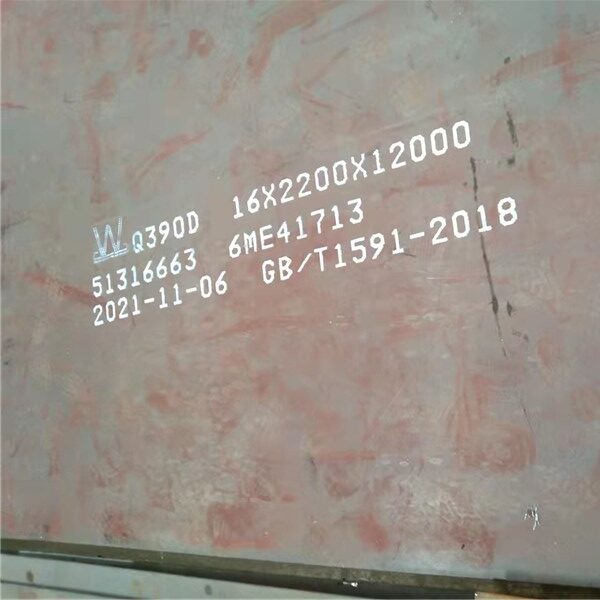
The characteristic of high-strength plates Q390 “high strength but prone to cracking” essentially lies in the fact that the increase in strength is accompanied by a decrease in plasticity/hardness, an increase in hardening tendency, and greater sensitivity to hydrogen/stress, resulting in a lower threshold for crack initiation and propagation.
Why is the performance of the same batch of steel plates unstable?
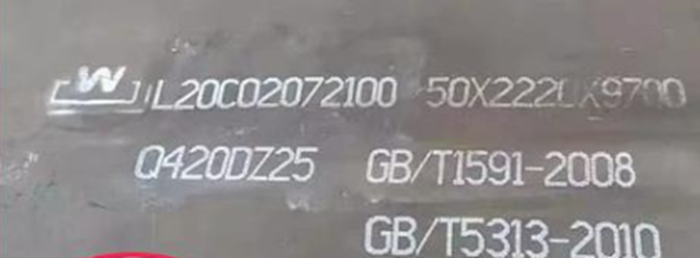
The performance of the same batch of steel plates Q420 is unstable. The core reason lies in the segregation of the smelting composition, the uneven distribution of internal inclusions/defects, and the fluctuations in the rolling and cooling processes, which result in inconsistent microstructures (such as banded structures and grain sizes).
What processing services are available for high-strength plates Q460?
- Cutting and material removal //
- Bending and shaping //
- Hole systems and edge processing //
- Forming and rolling //
- Welding and assembly
What are the differences between Q355, Q420 and Q690?
If you are seeking economic efficiency and ease of construction, Q355 is the preferred choice; if you need weight reduction and moderate load capacity, choose Q420; only when space is limited and the load is extremely high, and significant weight reduction is necessary, should Q690 be selected and accompanied by strict welding process assessment
What kinds of inspection reports can JBL Company provide?
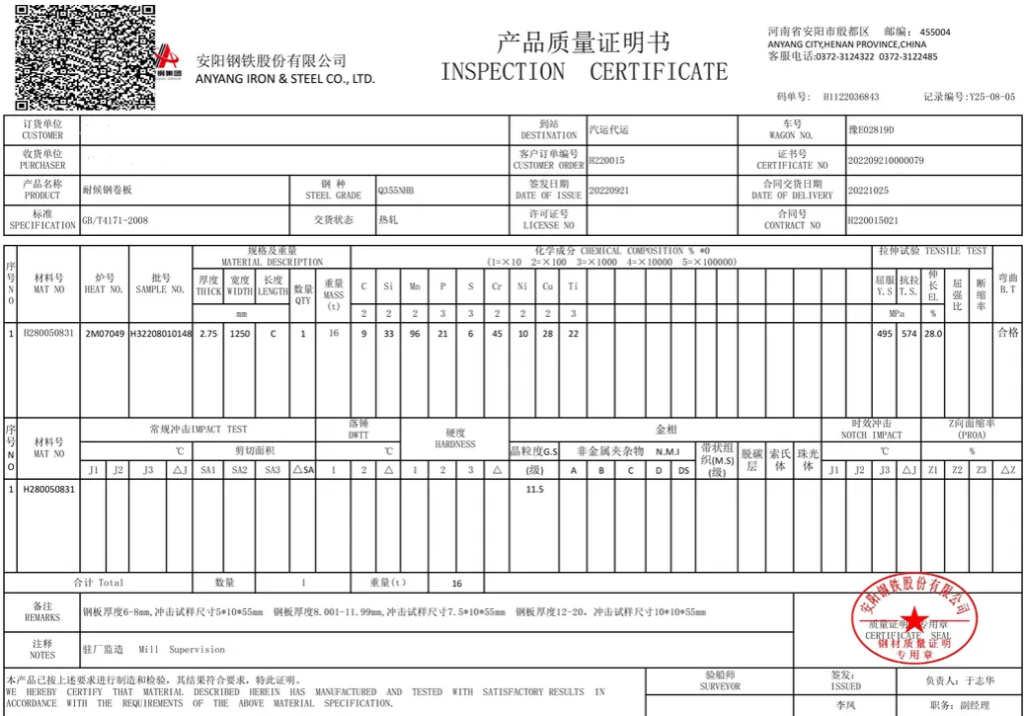
Mill Test Certificate,MTC,SGS,BV(Bureau Veritas),TUV,Intertek