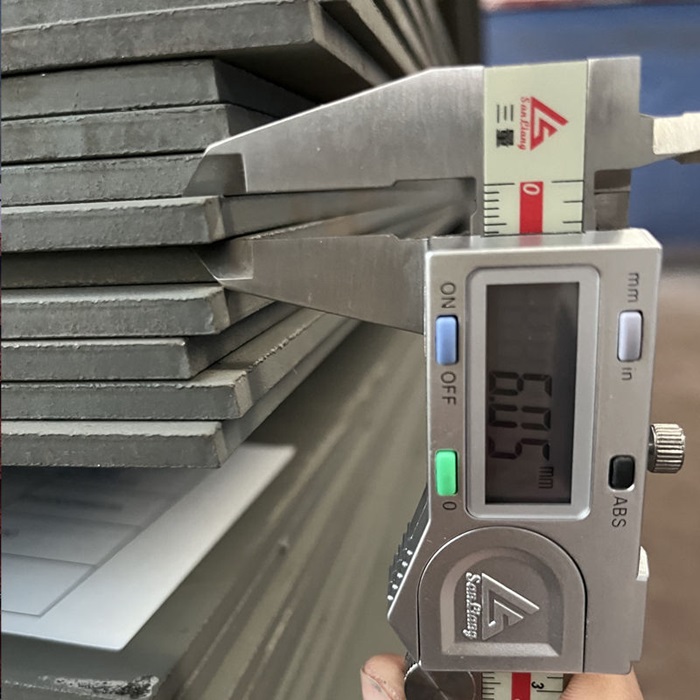
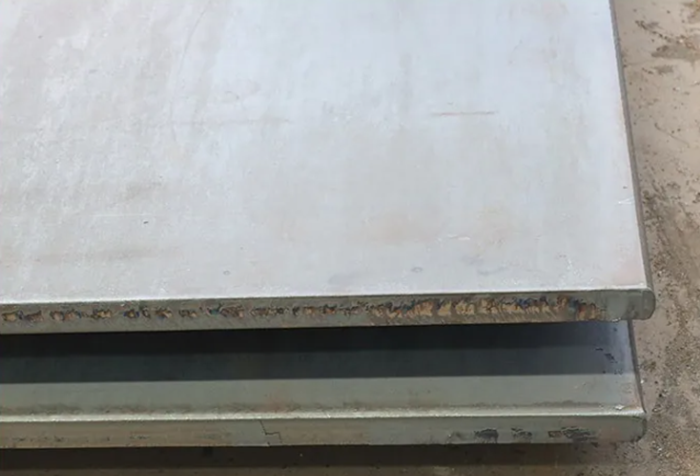
Q1300 Q1300C Q1300D Q1300E S1300QL High Strength Steel Plate

As an ultra-high-strength steel for construction machinery, Q1300E has a yield strength of up to 1300 megapascals – before this, domestic steel enterprises could only produce products with a strength of 1100 megapascals, and this field had long relied on imports.

Q1300D

Q1300E

Deskripsi Produk

Q1300 Q1300C Q1300D Q1300E S1300QL High Strength Steel Plate”This batch of products will be supplied to Sany Heavy Industry for use in the booms of large-tonnage cranes. Eventually, they will be exported to the European and American markets. The customers have given very positive feedback,” said Wang Jiming, the project manager of the steel for construction machinery.

In 2021, the steel market was booming, and the profits of ordinary building materials steel were even higher. However, we predicted that the trend of industry lightweighting and high-endization would be irreversible. Based on strategic considerations for reserves, JBL completed the R&D preparation for Q1300E that year, just waiting for the commercial application opportunity. This became a crucial step for the company to implement its strategy of “high-endization of quality and brand”. Nowadays, JBL has seen significant growth in high-end steel fields such as high-strength dan low-temperature toughness, achieving a leap from “lagging behind” to “keeping pace” and even “leading the way”.

Currently, the lightweighting and greening of construction machinery have become industry trends. The research and development of advanced steel materials is providing a solid foundation for the upgrading and substitution of equipment materials and the lightweighting of products – higher-strength steel means “reducing material usage while maintaining the same load-bearing capacity”, which can not only reduce costs but also lower energy consumption, aligning with the direction of green manufacturing.

Q1300 MPa-grade steel plates—-characteristic

  • Ultra-high strength 
  • Excellent toughness 
  • Delivery in tempered state 


  • Welding challenges and controllability: The higher carbon content leads to a significant tendency towards hardening, requiring strict preheating (typically above 150℃) and the use of ultra-low hydrogen welding materials to prevent cold cracking. However, reliable connections can be achieved through process control.
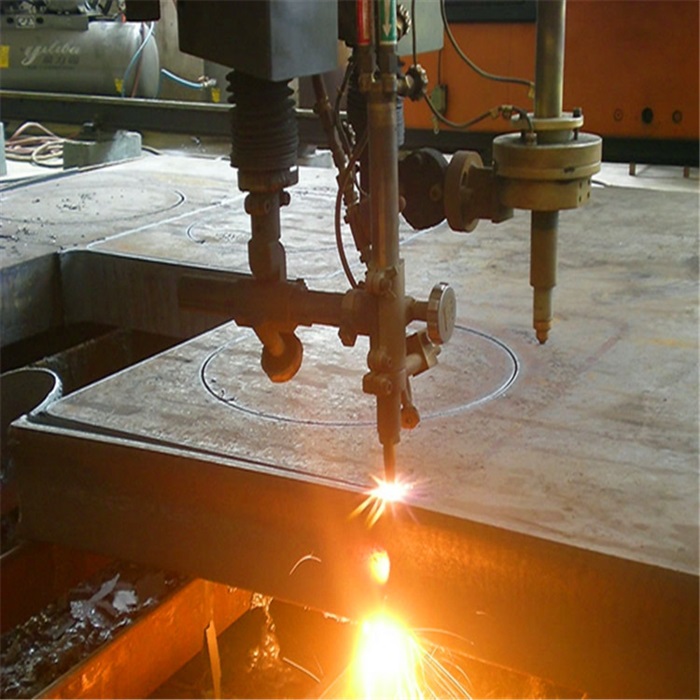
  • Processing limitations: High hardness results in the need for high energy input for cutting (recommended laser/plasma or water jet), a bending radius that is larger than that of ordinary steel to avoid degradation of the performance in the heat affected zone.

Differences between the Q1300 high-strength plate grades

Comparison of Core differences of Q1300 series grades

“Comparison dimension”Q1300DQ1300Eexplain
‌”Comparison dimension”‌≥1300 MPa≥1300 MPaThe two are the same. The number after “Q” represents this value
‌Tensile strength range‌1350~1700 MPa1350~1700 MPaThe two are the same.
Meaning of quality grade‌Grade DGrade EThe key to distinction lies in the requirement of low-temperature toughness
‌Meaning of quality grade‌-20℃-40℃‌Core difference ‌ : E-class has better low-temperature resistance
‌Shock absorption energy‌≥27 J (longitudinal)≥27 J (longitudinal)The standard values are the same, but the test environment temperatures are different
‌Shock absorption energy‌Quenching + tempering (quenching and tempering)Quenching + tempering (quenching and tempering)All need to undergo heat treatment processes
‌typical application scenarios‌typical application scenariosExtremely cold regions, deep-sea equipment, and key structures with high seismic resistanceClass E is suitable for more demanding requirements

Q1300 High Strength Steel Sheet—-Main chemical component range

  •  (C)‌:≤ 0.20
  •  (Si)‌:≤ 0.80
  •  (Mn)‌:≤ 1.60
  •  (P)‌:≤ 0.020
  •  (S)‌:≤ 0.010
  •  (Ni)‌:≤ 4.00
  •  (Cr)‌:≤ 1.60
  •  (Mo)‌:≤ 0.70
  •  (Nb)‌:≤ 0.08
  •  (V)‌:≤ 0.14
  •  (B)‌:≤ 0.006
  •  (Al)‌:≥0.015 (acid-soluble aluminum) or Als≥0.015
  •  (Cu)‌:Residual ≤0.30; if added as an alloying element, ≤0.80
  •  (As)‌:≤ 0.08


Q1300 High-strength Plate – Main Properties

  • ‌Yield strength‌: ≥ 1300 MPa
  • Tensile strength‌: 1350 – 1700 MPa
  • Post-rupture elongation rate‌: ≥ 8%
  • ‌Impact toughness‌: Depending on the quality grade, -20℃ (Grade D) or -40℃ (Grade E) impact energy ≥ 27 J
  • Delivery condition‌: Quenched + Tempered (tempered state)

Q1300 —- Corresponding foreign brand name

  • China: Q1300D/E
  • Germany/Europe similar benchmark: S1350, Quend 1100/1200 Hardox 550/600,
  • European standard: S690/S890/S960, The 1300 grade is a special customization, usually referred to as 1300MPa grade quenched and tempered structural steel.
  • USA benchmark: Similar to the high-strength structural steel of the ASTM A514/A517 series (usually yield 690-825MPa, higher requires customization), or military/special standards such as MIL-S-24645, ultra-high strength level; In engineering, it is often referred to as the strengthened variant of T-1 steel (A514) or HY-130 (navy use, yield approximately 1300MPa, but composition and process are different).
  • Japan benchmark: JIS G 3106/3127 series, the highest regular is SM570/SM690, the 1300 grade is a special research and development, there is no direct standard brand, technical benchmark is JFE-EH1100 above customized level or NSC series ultra-high strength structural steel.

Q1300 High Strength Machinery Steel Plate—-Main Applications

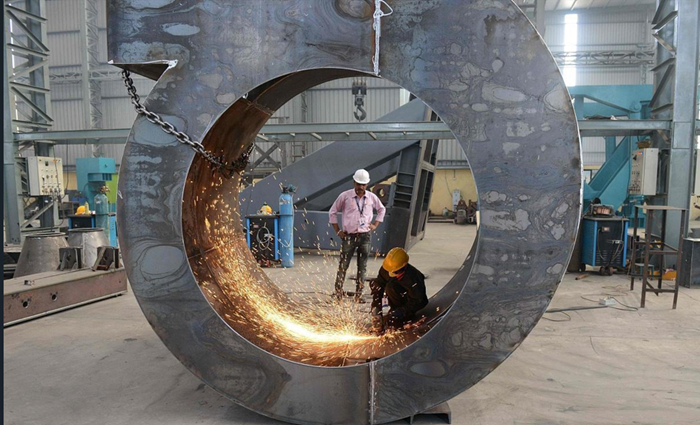
  • Super-sized lifting equipment: Lifting booms, turntables and load main beams of large-tonnage truck cranes and crawler cranes, replacing traditional low-strength steel to achieve significant weight reduction and enhance lifting capacity.
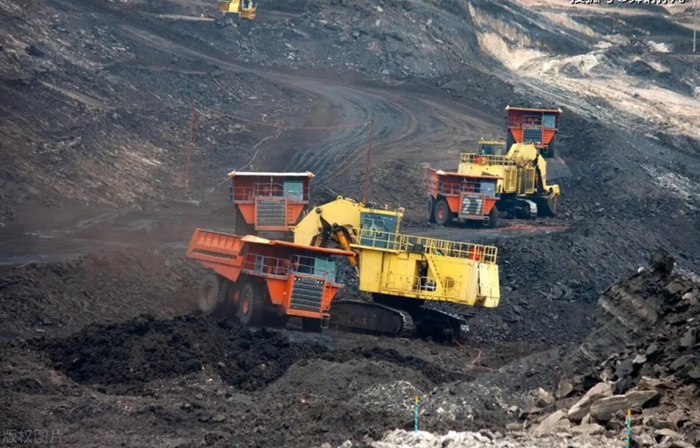
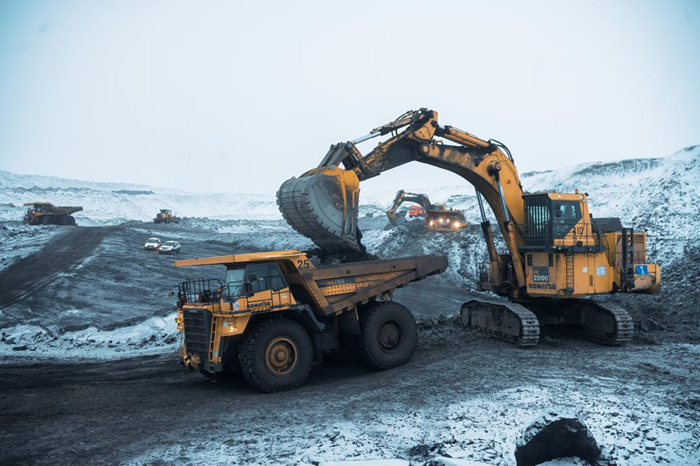
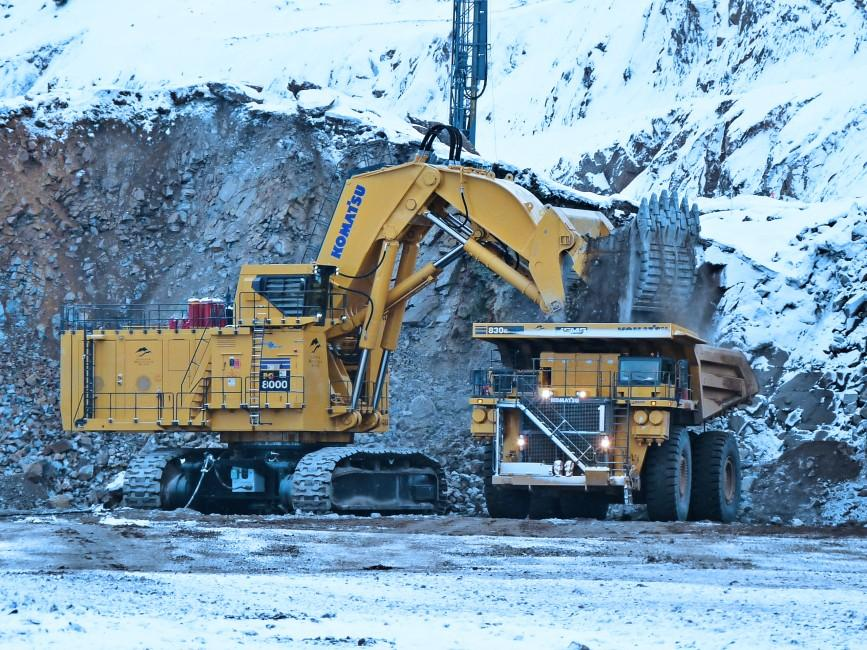
  • Mining and excavation machinery: World’s largest electric mining shovels, giant excavators and loaders’ bucket seat, boom, frame and load-bearing structure, suitable for high-impact and heavy-load working conditions.
  • Coal mine support equipment: Hydraulic support columns and key load-bearing components, requiring both extremely high strength and impact resistance.
  • Special engineering vehicles: Electric wheel dump trucks, heavy bulldozers and drilling rigs’ chassis and main beams, optimizing structural weight and enhancing payload.
  • Some high-end alternative scenarios: In specific load-bearing structures, can replace aluminum alloys or titanium alloys for special components that are sensitive to weight and require high strength.

Q1300 – Production Process

hot metal pretreatment

converter steelmaking

LF Refining

VD vacuum treatment

continuous casting

heat

Controlled Rolling

harden by quenching

low tempering


Q1300 Finished Steel Plate


S1300QL High Strength Steel Plate—-Processing performance


  • Formability
  • Kemampuan pengelasan
  • Cutting ability
  • Machine processing

S1300QL High Strength Steel Plates – Factory Inspection Items

  • Chemical composition analysis/
  • Tensile test/
  • Impact test/
    Ultrasonic testing UT inspection/
  • Hardness test/
  • Metallographic analysis/
  • Bending test/
  • Dimensional inspection/

Comparison Table of Q1300 with Common High-Strength Steel Grades

“Comparison dimension”Q1300 (Ultra-high-strength steel)Q690/Q890 (High-strength steel)Q355/Q460 (Ordinary high-strength steel)
‌lower limit of yield strength‌≥1300 MPa690 – 890 MPa355 – 460 MPa
‌lower limit of yield strength‌1350 – 1700 MPa770 – 980 MPa470 – 630 MPa
‌Core process route‌‌Quenching + tempering (quenching and tempering)‌, strict cooling control is requiredControlled rolling and controlled cooling (TMCP) or simple quenching and temperingHot rolling or normalizing, no complex heat treatment required
‌strengthening mechanism‌Phase transformation strengthening (martensite/bainite) + precipitation strengtheningFine grain strengthening + precipitation strengthening + partial phase transformationFine grain strengthening + solid solution strengthening
‌strengthening mechanism‌Extremely difficult. Requires high preheating (200℃+), low-hydrogen welding materials, and strict post-heating.Difficult. Requires preheating (100-150℃) and process control.Good. The conventional welding process will suffice.
‌Plastic toughness characteristics‌The elongation is relatively low (about 10%-12%), and it relies on the low-temperature impact energy (D/E grade).Medium elongation (14%-16%)High elongation rate (17%-22%), excellent comprehensive performance
‌Typical application scenarios‌Extremely high ‌, only a few domestic steel mills can produce stablyHeavy construction machinery, main trusses of long-span Bridges, pressure vesselsBuilding steel structures, ordinary vehicle chassis, general machinery
‌Cost and Capacity‌‌Extremely high ‌, only a few domestic steel mills can produce stablyThe mainstream steel mills have the production capacityLow, large-scale industrial production
‌Representative grade example‌Q1300D, Q1300EQ690D, Q890DQ355B, Q460C

Kirim Pertanyaan

Hubungi Kami

Kontrol penuh atas produk memungkinkan kami untuk memastikan pelanggan kami menerima harga dan layanan dengan kualitas terbaik. Hubungi kami untuk penawaran gratis, JBLSTEEL akan memberikan solusi yang tepat untuk proyek Anda.

Hubungi

Alamat

MINTA PENAWARAN GRATIS
Kirimkan pesan kepada kami jika Anda memiliki pertanyaan atau meminta penawaran. Kami akan menghubungi Anda sesegera mungkin dalam waktu 1 jam.