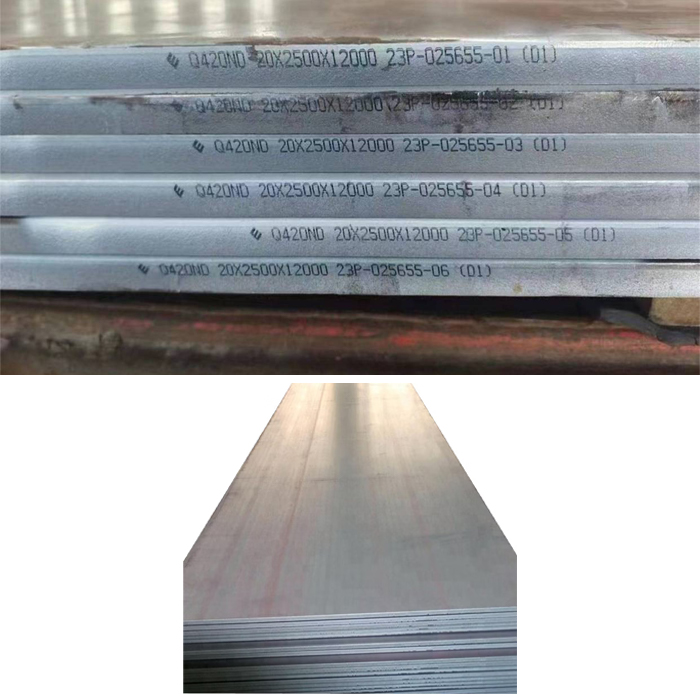
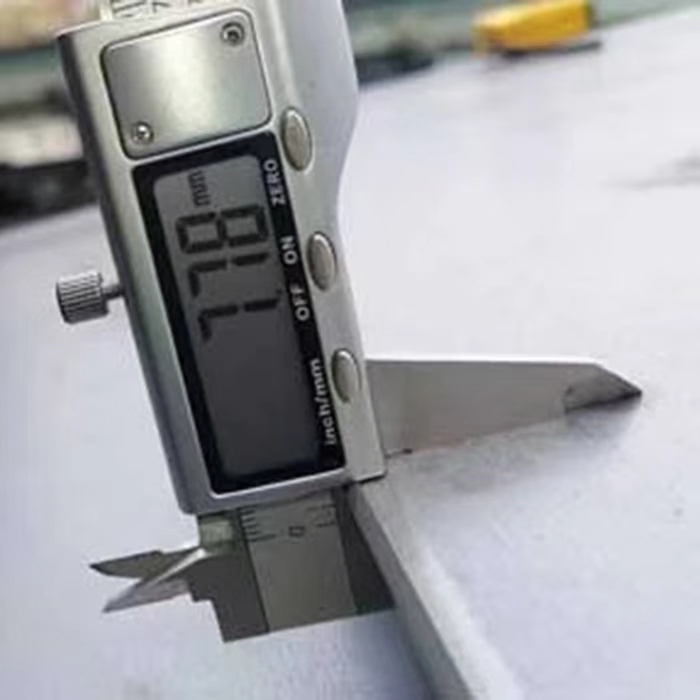
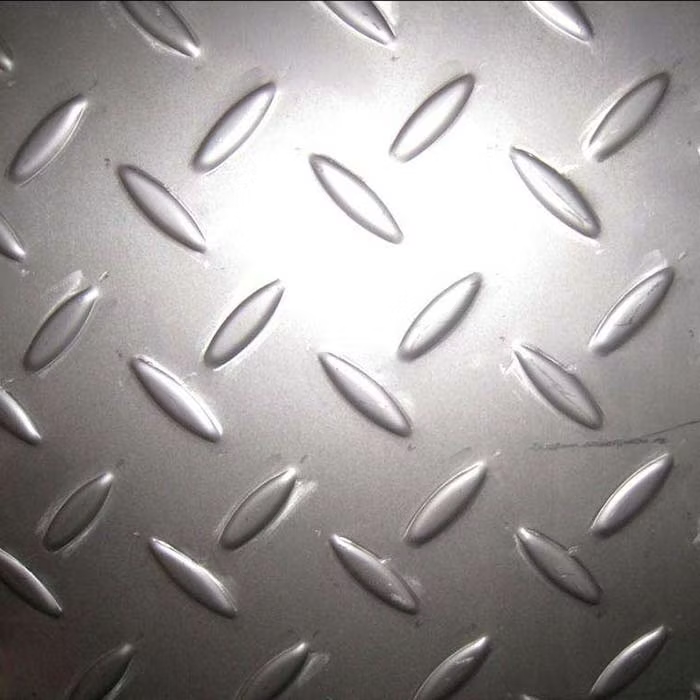
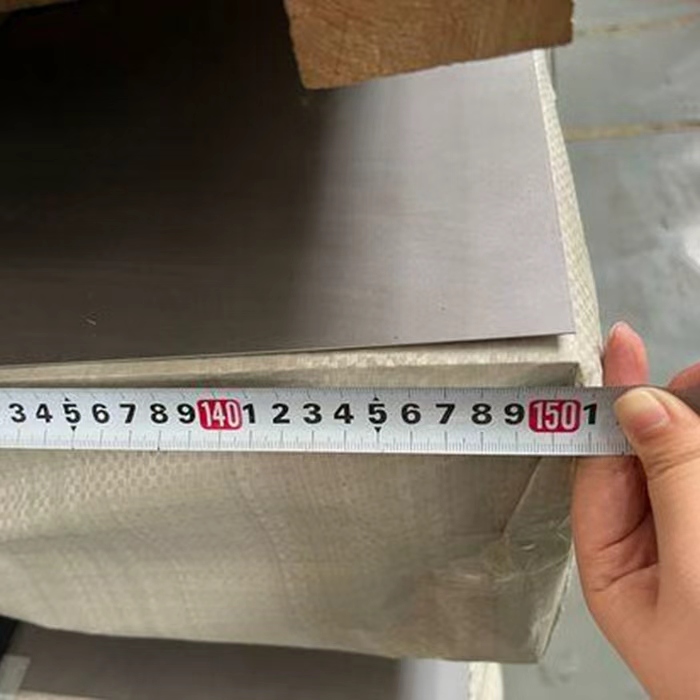
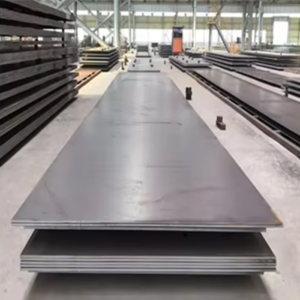
Ready-made item!
Comprehensive supply
To enhance usability and delivery accuracy, JBL has developed dedicated “off-the-shelf plans” for each product series, which include a variety of the most common sizes.
Q420B
Q420C
Q420D
Q420E
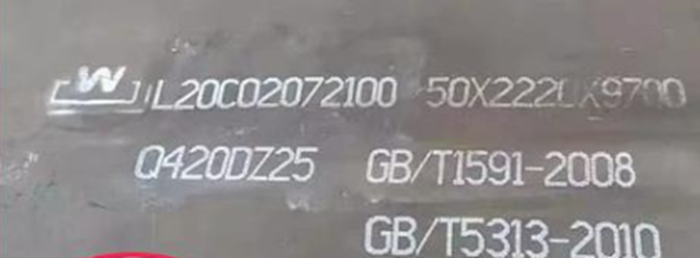
Q420NB/Q420NC/Q420MB/Q420MC/Q420CZ15/Q420DZ25/Q420EZ35/Q420GJ
The Q420 A B C D E High Strength Steel Plate provided by JINBAILAI feature high strength, excellent toughness, a clean surface, and are suitable for rough processing. They are delivered to the factory. Please feel free to contact us for more information.
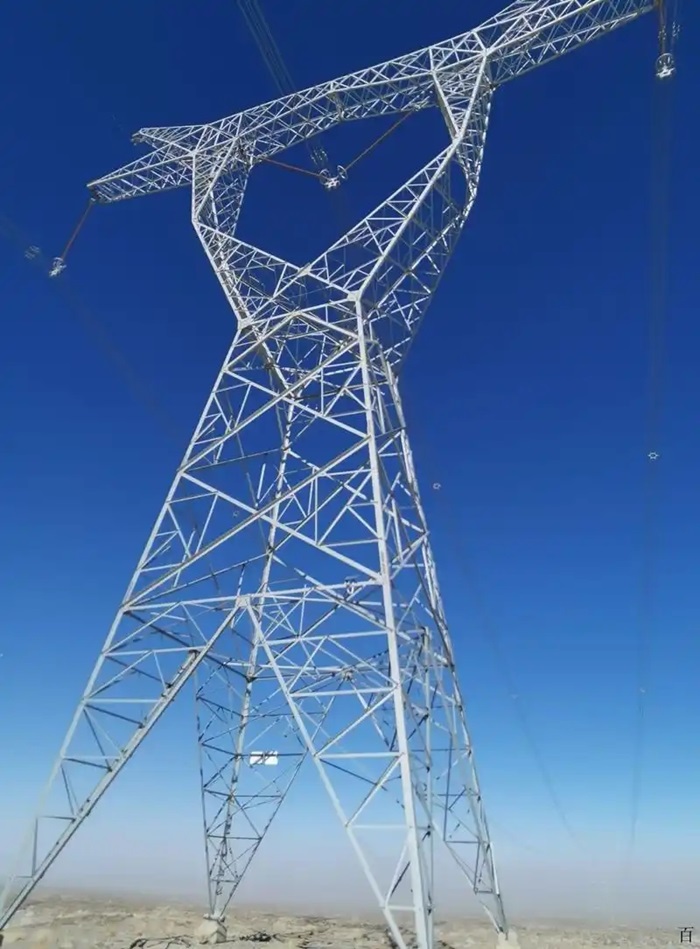
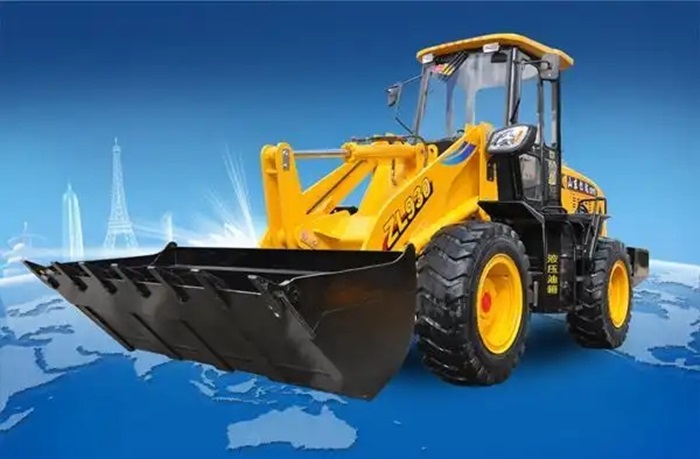
The Q420 high-strength plate, due to its high strength and good toughness, is particularly suitable for structural components that need to withstand large loads and complex stresses.
Q420 high-strength plate – What are the differences among each brand?
| Grade example | quality grade | Impact test temperature | Upper limit of P/S content (mass fraction) | Typical delivery condition/process | Core features and applicable scenarios |
|---|---|---|---|---|---|
| Q420B | B | +20℃ | ≤0.040% | Hot rolling (ar) | It is used at room temperature and has the lowest cost. It is suitable for building frames and ordinary mechanical bases in non-cold regions. |
| Q420C | C | 0℃ | ≤0.035% | Hot rolling/controlled rolling | Dynamic load above 0℃ It is applicable to winter construction in Central and North China, medium-span Bridges and pressure vessels. |
| Q420D | D | -20℃ | ≤0.030% | Controlled rolling/normalizing (n) | Toughness in the -20℃ cold region; It is widely used in large-span Bridges in cold regions, offshore wind power towers and ship structures. |
| Q420E | E | -40℃ | ≤0.025% | Normalizing /TMCP+ tempering | Extreme cold toughness benchmark; It is applicable to LNG storage tanks, polar equipment, nuclear power containment vessels and key dynamic load parts. |
| Q420NB | B | +20℃ | ≤0.040% | Normalizing or normalizing rolling (n) | The grains are finer than those of hot-rolled ones, and the toughness is slightly better. It should be used when the normalizing state is clear. |
| Q420NC | C | 0℃ | ≤0.035% | Normalizing or normalizing rolling (n) | The impact at 0℃ meets the standard and the structure is uniform. It is suitable for structures with high requirements for organizational consistency. |
| Q420ND | D | -20℃ | ≤0.030% | Normalizing or normalizing rolling (n) | Stable low-temperature performance at -20℃. The resistance to layered tearing of thick plates is superior to that of ordinary hot-rolled D grade. |
| Q420NE | E | -40℃ | ≤0.025% | Normalizing or normalizing rolling (n) | Normalizing is the preferred choice in extremely cold environments. Ensure that the impact energy at -40℃ is ≥27J(longitudinal). |
| Q420MB | B | +20℃ | ≤0.035%* | Thermal Mechanical Rolling (m/TMCP) | The TMCP process refines the grain size, and its comprehensive mechanical properties are superior to those of hot-rolled products of the same grade. It is often used in thin plate high-strength structures. |
| Q420MC | C | 0℃ | ≤0.030%* | Thermal Mechanical Rolling (m/TMCP) | It has excellent toughness at 0℃ and good weldability. It is suitable for occasions requiring high formability such as construction machinery and vehicle manufacturing. |
| Q420MD | D | -20℃ | ≤0.030% | *Thermal Mechanical Rolling (m/TMCP) | High toughness at -20℃ and no risk of deformation during subsequent heat treatment; It is widely used in heavy machinery and mining equipment. |
| Q420ME | E | -40℃ | ≤0.025%* | *Thermal Mechanical Rolling (m/TMCP) | Extremely cold TMCP state; It combines high strength and high toughness, and is used |
The chemical composition of Q420 Steel Plate is as shown in the table below:
| (C) | ≤0.20% |
| (Si) | ≤0.55% |
| (Mn) | ≤1.70% |
| (P) | ≤0.035% |
| (S) | ≤0.035% |
| (Nb) | 0.015 – 0.060% |
| (V) | 0.02 – 0.20% |
| (Ti) | 0.015 – 0.060% |
| (Cr) | ≤0.30% |
| (Ni) | ≤0.70% |
| (Cu) | ≤0.30% |
| (N) | ≤0.012% |
| (Mo) | ≤0.20% |
grade | δ5/% |
A | ≧18 |
B | ≧18 |
C | ≧19 |
D | ≧19 |
E | ≧19 |
Thickness (diameter, side length) /mm | ≦16 | >16~35 | >35~50 | >50~100 |
σs/MPa | ≧420 | ≧400 | ≧380 | ≧360 |
【 Shock Absorption Energy 】 (Akv (longitudinal) /J) | +20℃ | 0℃ | -20℃ | -40℃ |
A | – | – | – | – |
B | ≧34 | – | – | – |
C | – | ≧34 | – | – |
D | – | – | ≧34 | – |
E | – | – | – | ≧27 |
Some questions regarding the Q420 STRUCTURAL STEEL:
Q420 refers to what exactly?
Q420 refers to low-alloy high-strength structural steel with a yield strength of not less than 420 MPa.
Q420 The suffix letters (A/B/C/D/E, N, M, Z) represent what meanings?
A-E represent the quality grades (corresponding to different low-temperature impact temperatures), N/M indicate the delivery status, and Z is the thickness direction performance level.
How does the yield strength attenuation pattern change with different thicknesses of Q420 high-strength plates?
Q420 Carbon Steel Plates Sheets exhibit a stepwise decrease in yield strength as the thickness increases.
Q420 Carbon Equivalent (Ceq) Range and Its Impact on Weldability?
High Strength Q420 Carbon Steel Plates carbon equivalent (Ceq) typically ranges from 0.38% to 0.48% (depending on the quality grade and process variations), and is a material with moderate weldability. When Ceq is greater than 0.4%, preheating is required to prevent cold cracking.
Q420 versus Q355 and Q460: Economic comparison in terms of load-bearing and weight reduction?
Q420 high-strength low-alloy structural steel typically offers the best overall economic performance in terms of load-bearing and weight reduction: it reduces the weight by approximately 15% – 20% compared to Q355, with a smaller price increase (~5% – 10%). Compared to Q460, although it reduces weight slightly, it has lower processing costs and lower risks, and has the highest overall life-cycle cost-effectiveness. Q460 only has economic advantages in large-span/super-tall core load-bearing components where the self-weight is extremely sensitive.
What is the main difference between the regular Q420 and the specialized steel (such as Q420GJC for high-rise buildings, Q420qE for bridges)?
The ordinary Q420 is a general-purpose low-alloy high-strength steel (GB/T 1591), while Q420GJC (Gao Jian) and Q420qE (Bridge) are specialized steels that have been optimized in composition, process, and toughness indicators for specific working conditions.
Why does Q420 high-strength plate exhibit “high strength but poor ductility”?
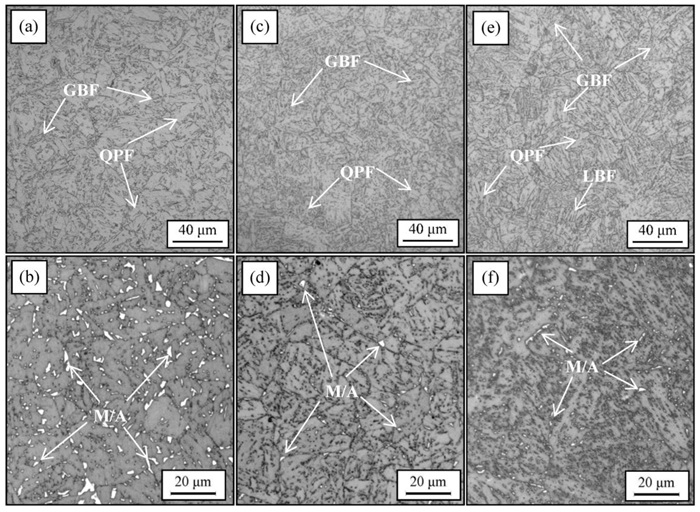
Q420 steel plate is not inherently “high strength with low plasticity”. Its high strength but poor ductility is usually caused by improper cooling process, resulting in the formation of full-thickness bainite (especially coarse upper bainite) structure, rather than the normal material standard.
How can layered tearing (Z-axis performance deficiency) be prevented?
Q420 Anti-layered tearing core lies in the selection of Z-direction steel (Z15/Z25/Z35) + optimizing the joint design to eliminate Z-direction restraint + low-hydrogen preheating process control. All three elements are indispensable.
“Why do some Q420 plates exhibit a situation where the tensile strength exceeds the standard while the elongation is insufficient?”
The core reason for the “excessive tensile strength and insufficient elongation” in the Q420 sheet is that the post-rolling cooling process was out of control, resulting in the formation of brittle bainite structure (especially upper bainite) throughout the thickness. Under the premise of qualified chemical composition, the microstructure directly causes the inversion of strength and plasticity.

Does a higher Q420 strength indicate better quality?
Q420 High Strength Steel Plate 10x2500x12000mm: The fixed strength value does not mean “the higher the better”; it should be matched with the specific working conditions rather than blindly pursuing high strength.
What are the heat treatment methods for Q420?
(Heat rolling, normalizing, controlled rolling, TMCP and tempering combinations)
What are the differences in production processes between Q420 thick plates and thin plates?
The core difference between the Q420 thick plate and thin plate of JINBAILAI company lies in the rolling strategy, cooling control, and the necessity of heat treatment.
Can Q420 replace Q355?
Q420 can replace Q355, but it cannot be directly and unconditionally substituted for.
What are the advantages of Q420 compared to the ordinary Q235?
The core advantages of Q420 compared to Q235 are superior fatigue resistance, low-temperature toughness and corrosion resistance.
Why do large-scale projects prefer to use Q420?
Hot-rolled high-strength Q420 steel, with a 420MPa yield strength, offers significant lightweight benefits while balancing excellent low-temperature toughness and weldability. This can help reduce the total life cycle cost while ensuring safety.
Why purchase Q420 high-strength plates from the JINBAILAI company in China?
JINBAILAI Company possesses the most comprehensive global low-alloy high-strength steel supply chain, enjoys a highly competitive cost advantage, and offers extremely fast delivery.
Q420 High-Strength Plate — Corresponding International Grades
European standard (EN): S420NL, S420ML
American standard (ASTM): A572 Gr.60, A633 Gr.E
Japanese standard (JIS): SM490A or SM490C
International standard (ISO): E420.
German standard (DIN): StE420 / TStE420.
Russian standard (GOST): 16G2AF.


Kontrol penuh atas produk memungkinkan kami untuk memastikan pelanggan kami menerima harga dan layanan dengan kualitas terbaik. Hubungi kami untuk penawaran gratis, JBLSTEEL akan memberikan solusi yang tepat untuk proyek Anda.