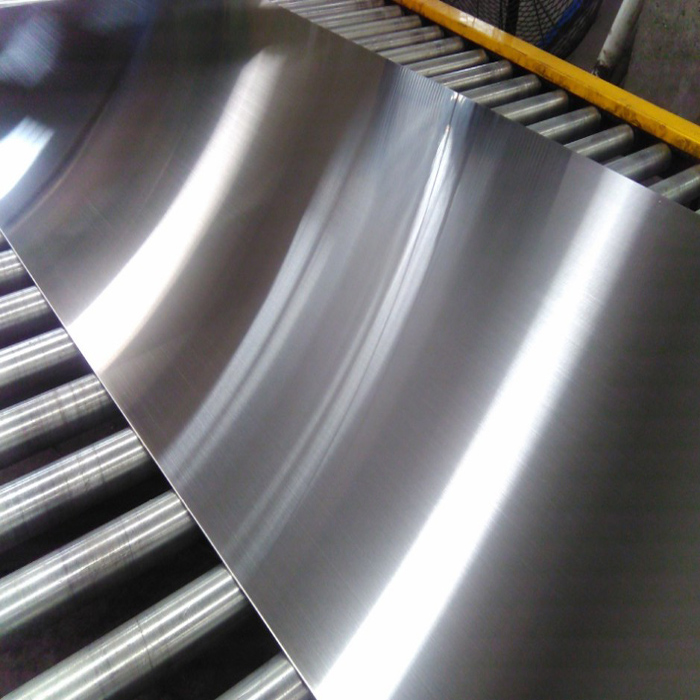
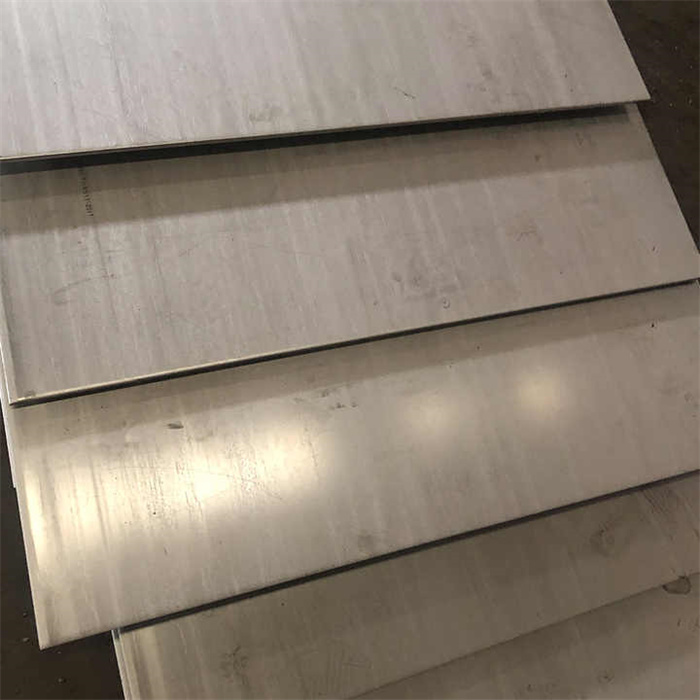
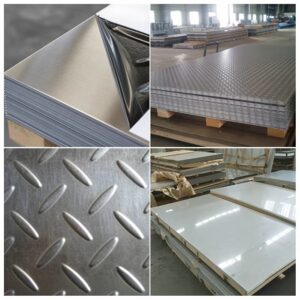
316 stainless steel clad plate is a material composed of a carbon steel substrate and 316/316L stainless steel cladding, offering the corrosion resistance of stainless steel along with the high strength and ease of fabrication of carbon steel.
Cut Material Costs by 30%–50% with 316 Stainless Steel Clad Plate —Without Compromising Performance.
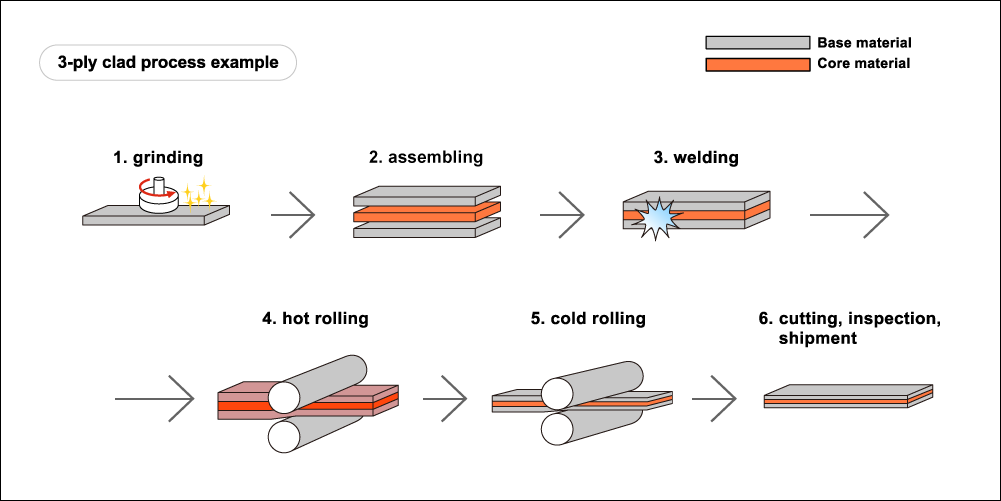
316 stainless steel composite plate is a composite material created by permanently bonding 316/316L stainless steel (the cladding) to Q235/Q345/Q355 carbon steel (the base metal) through hot-rolling, cold-rolling, or explosive bonding techniques. It is neither a coating nor an electroplated finish, but rather a molecular-level metallurgical bond that perfectly combines the superior pitting resistance of 316/316L with the ultra-high structural strength of carbon steel, saving costs for your projects.
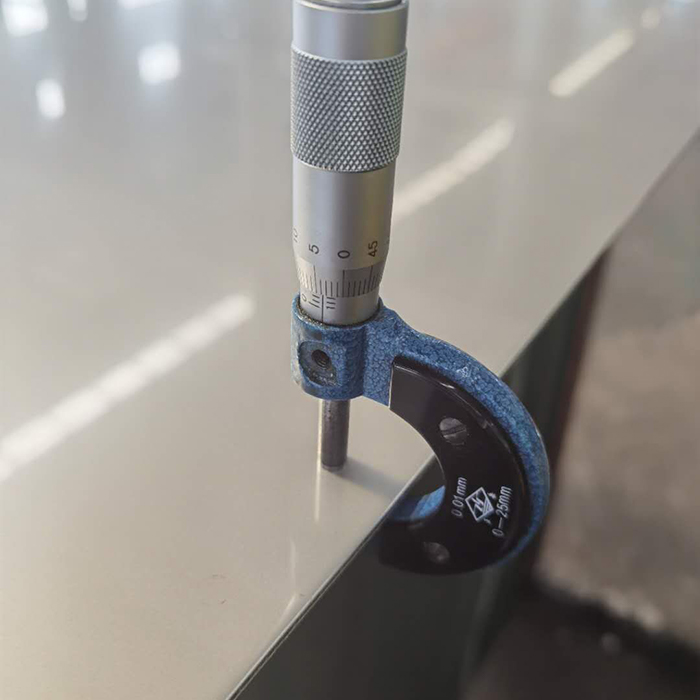
The Corrosion Barrier (Cladding): Premium 316/316L (0.5mm – 5mm) handles the corrosive media.
The Structural Core (Base Metal): High-strength Carbon Steel (Q235B, Q345R, etc.) handles the physical load.
By replacing solid 316/316L steel plates with composite plates, projects can typically reduce material costs by 35% to 45% without compromising the service life of the corrosion protection.
Metallurgical Bonding
Different from coatings or linings, our composite layer is bonded at the molecular level. It can withstand extreme thermal expansion and contraction without any risk of delamination.
Excellent Physical Properties
Combining the high yield strength of carbon steel with the pitting resistance of 316 stainless steel, the equipment is lighter and more robust, with a service life extended by two to three times.
Experienced Welding Support
The biggest barrier to clad material is welding. We provide a proprietary Welding Procedure Specification (WPS) for transition joints to ensure your seams are as corrosion-resistant as the plate.
Application
Petrochemicals: PTA plants, desulphurisation towers and organic acid storage facilities.
Marine & Desalination: High-pressure RO pump housings and offshore structures.
Pharmaceuticals: Large-scale fermentation tanks meeting FDA hygiene standards.
Pulp & Paper: Digesters and bleaching towers operating under highly alkaline conditions.
Can 316 stainless steel clad plate delaminate during fabrication?
No. Our hot-rolled and explosive bonding processes ensure a metallurgical bond. The shear strength (320-450MPa)exceeds ASTM A264 requirements, making it safe for bending, rolling, and welding.
Is 316L clad better than 304L clad for marine environments?
Yes. 316L stainless steel contains 2%-3% Molybdenum, which significantly increases Pitting Resistance (PREN) in chloride-rich or seawater environments compared to 304L.
Complete control over products allows us to ensure our customers receive the best quality prices and service. Contact us for a free quote,JBLSTEEL will provide the right solution for your project.